
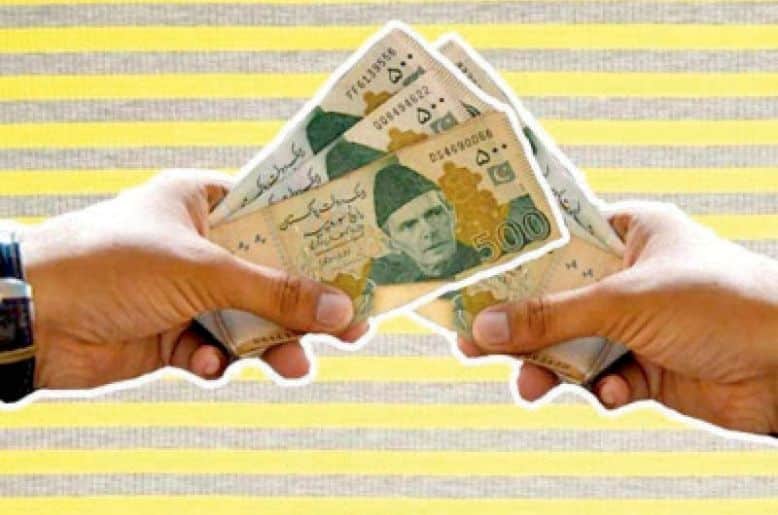
The Pakistan Institute of Development Economics (PIDE) has recommended Rs45,000 national minimum wage in the upcoming budget for the fiscal year FY2026-27.
The proposal made by PIDE is 12.5 per cent more than the current national wage, which is Rs40,000.
The PIDE researchers proposed a hybrid framework for the rise in the national wage in their policy viewpoint no. 62, with title, “Reforming Minimum Wage Determination in Pakistan: From Wage Announcements to Wage Governance”.
The viewpoint is aligned with the International Labour Organisation (ILO) principles.
The Vice Chancellor (VC) of PIDE and Member of the Planning Commission of Pakistan, Dr Nadeem Javaid (SI), said, “Pakistan needs a credible wage governance system that balances worker protection, productivity, business sustainability, and macroeconomic stability within a transparent institutional framework.”
“A country aspiring for export-led growth and social stability cannot afford working poverty, wage uncertainty, and fragmented labour market governance. Sustainable economic reform must also translate into dignity, predictability, and economic security for workers,” he added.
Read more: University of Sindh announces summer vacations
Basically, the proposed framework stands on the following four pillars:
- Transparent evidence-based wage setting
- Bounded provincial adjustment
- Effective enforcement mechanisms
- Annual reporting on outcomes
PIDE suggested indicative wage benchmarks of Rs45,000 for Punjab and Khyber Pakhtunkhwa, Rs46,000 for Sindh due to higher urban living costs, and Rs45,500 for Balochistan, citing geographic and market access challenges.
According to the report, minimum wage policy has implications beyond labour markets, affecting household purchasing power, poverty levels, productivity, domestic demand and overall social stability.
PIDE noted that average inflation stood at 6.19% during July-April of FY2026, while year-on-year inflation reached 10.9% in April 2026.
The report also highlighted a rise in household food insecurity, which increased to 24.35% in 2024–25 from 15.92% in 2018–19.
The institute has submitted its proposed framework to the Planning Commission of Pakistan for consideration as part of efforts to develop a coordinated and sustainable system for minimum wage governance.
Among its key recommendations are the adoption of a Rs45,000 national benchmark for FY2026–27, enforceable wage-compliance clauses in public procurement contracts, phased implementation across different sectors and mandatory provincial reports to improve transparency and monitoring of minimum wage enforcement.
Also read: Govt warns against working abroad on visit, Umrah visas

