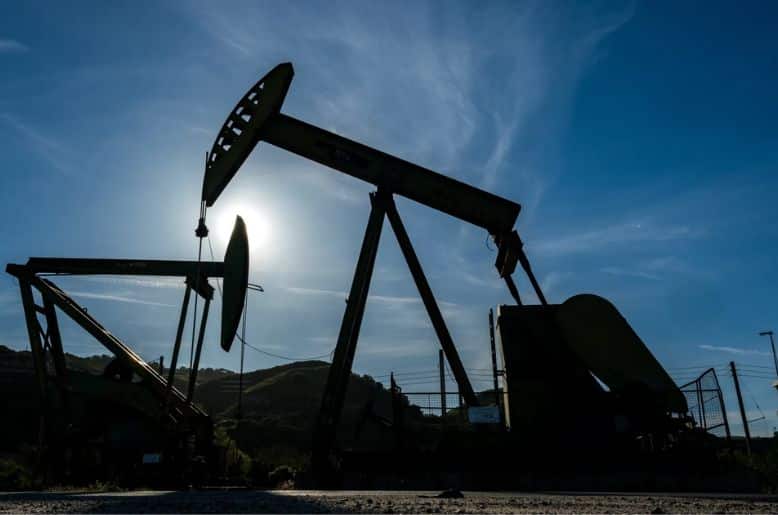
Concerns over a possible shortage of petrol and diesel are rising across the country, including Karachi, as the impact of soaring global oil prices begins to emerge.
Sindh Petroleum Dealers Association President Amir Khan said oil marketing companies have reduced the supply of petroleum products, leading to supply constraints at petrol stations.
He added that petrol pumps across the province are facing supply shortages due to the implementation of supply allocations.
According to Pakistan Petroleum Dealers Association Vice Chairman Tariq Hassan, a shortage of petroleum products is feared due to reduced supplies to petrol pumps across the country.
Sources within oil marketing companies said that petrol pumps are being supplied with petroleum products based on their average monthly sales, and additional demands from dealers are not being fulfilled. They added that whenever global oil prices rise, dealers raise concerns, while whenever there is a possibility of a decrease in petroleum product prices, dealers reduce their purchases.
On the other hand, US–Iran tensions have caused a significant increase in global crude oil prices, while experts have warned that if the situation in the region worsens further, oil prices could reach $100 per barrel.
On Wednesday, Brent crude oil prices rose by $1.46 (1.72%) to $86.19 per barrel, marking the highest level since June 12. Similarly, US crude oil, West Texas Intermediate (WTI), increased by $1.11 (1.4%) to trade at $80.40 per barrel, while Emirati crude oil was priced at $83.16 per barrel.
According to market analysts, the main reason behind the rise in oil prices is US President Donald Trump’s announcement to reimpose a naval blockade on Iranian ports, along with reports of possible retaliatory actions by Iran against US interests in the region.
It should be noted that crude oil prices also increased by around 2% on Tuesday, pushing prices to a one-month high. Investors are increasingly concerned about the potential impact on oil shipments through the Strait of Hormuz, a critical shipping route through which nearly one-fifth of the world’s oil and liquefied natural gas supplies pass.
Meanwhile, Iran has stated that the Strait of Hormuz has been closed again following renewed tensions with the United States. In an interview, US President Donald Trump said that energy targets could be targeted at a later stage, although he did not rule out the possibility that energy-related facilities were already under consideration.
Read more: Govt announces revised e-passport fees amid nationwide digital shift