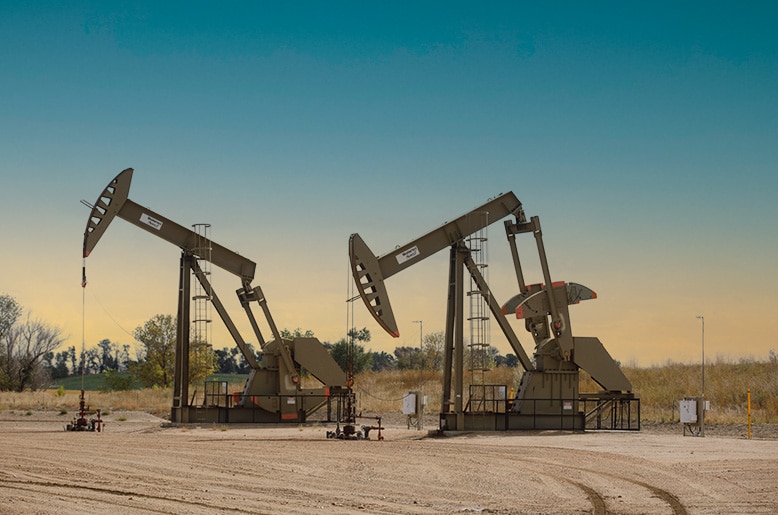
Oil prices fell for a third straight session on Thursday as signs of progress in talks involving Iran and the US eased concerns over disruptions to global crude supplies, while expectations of higher production from major exporters added further pressure on the market.
Brent crude futures were down 79 cents, or 1.1 percent, at $70.78 a barrel during early trading. US West Texas Intermediate crude also slipped, losing 84 cents, or 1.2 percent, to trade at $67.74 a barrel. Both benchmarks had already dropped more than 1 percent in the previous session.
The latest decline followed comments from Qatar, which said indirect discussions between Iran and the US had made encouraging progress on issues linked to the June agreement that brought an end to the recent conflict. The talks focused on matters connected to the Strait of Hormuz, a vital shipping route that carried around one-fifth of the world’s oil supply before the war.
While the update suggested the two sides were moving forward on parts of the agreement, there was no indication that a long-term peace deal was close.
For the oil market, however, the most immediate concern is whether crude can continue moving through the Strait of Hormuz without disruption. As shipping remains uninterrupted, traders are becoming more confident that supplies will stay healthy.
Analysts at Haitong Futures said expectations of plentiful oil in the market, along with growing competition among producers for market share, were putting downward pressure on prices.
The market is also looking ahead to Sunday’s meeting of OPEC+, where the producer group is widely expected to approve another increase in oil output from August. Sources familiar with the discussions said members are likely to back another production hike, adding to expectations of stronger global supply.
Meanwhile, UBS revised its oil outlook following the latest developments. The bank lowered its average Brent price forecast for the September quarter by $25 a barrel and cut its December quarter estimate by $10, citing the easing of tensions and the return of oil shipments through the Strait of Hormuz.
UBS now expects Brent crude to average $80 a barrel during the second half of this year before easing further to around $75 a barrel in 2027.
Even so, the bank warned that risks have not disappeared completely. It noted that the number of tankers entering the Persian Gulf still trails the number leaving the region, suggesting the market has yet to return fully to normal.
Qatar also said the next round of indirect talks between Iranian and US negotiators is expected to take place after the July 9 funeral ceremonies for Iran’s late Supreme Leader, Ayatollah Ali Khamenei.
Read next: Oil prices move lower as markets bet the worst is over