
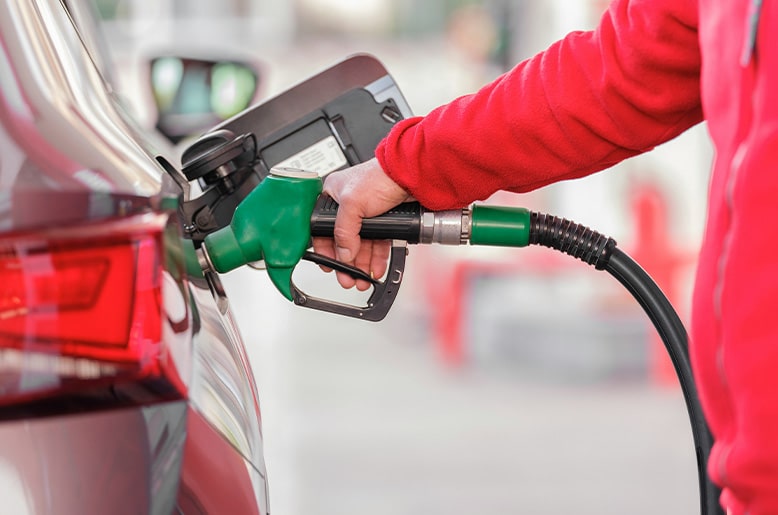
Pakistan is moving towards one of the biggest changes to its petroleum sector in years, with the government planning to gradually step back from directly setting fuel prices and allow market forces to play a greater role.
The proposed reforms are designed to make the country’s fuel market more transparent while improving oversight of the petroleum supply chain. Officials also hope the changes will help consumers better understand why petrol and diesel prices rise or fall.
Petroleum Minister Ali Pervaiz Malik shared the government’s plans while briefing the National Assembly Standing Committee on Petroleum on Tuesday. He said the shift towards deregulation would happen in phases instead of all at once, with the government continuing to monitor the market to ensure uninterrupted fuel supplies across Pakistan.
One of the biggest changes under consideration is the digitalisation of the petroleum supply chain. The minister said the initiative would allow authorities to monitor fuel movement more efficiently, improve transparency and strengthen oversight from imports to retail sales.
The government is also studying the idea of publishing daily Platts benchmark prices, which are widely used as global reference prices for petroleum products. Making these figures publicly available would give consumers and businesses a clearer picture of the international market and explain how global price movements eventually affect fuel prices in Pakistan.
The reforms come as Pakistan remains heavily dependent on imported fuel. Around 70 percent of the country’s petrol demand is met through imports, while nearly one third of its diesel requirements also come from overseas markets. This leaves local fuel prices highly sensitive to changes in international oil markets, shipping costs and currency movements.
Malik said the recent regional conflict highlighted just how vulnerable global fuel markets can become during periods of uncertainty. Before tensions escalated, crude oil was trading at about $71 per barrel and diesel was priced at roughly $78 per barrel. As the crisis unfolded, freight charges, insurance costs and risk premiums surged, driving gasoline prices to between $180 and $190 per tonne. Diesel also became difficult to source in international markets.
He noted that although crude oil prices have since dropped below the levels seen before the conflict, petrol and diesel have not become significantly cheaper because the additional costs associated with imports remain high.
Despite those challenges, the minister said Pakistan managed to keep fuel supplies flowing throughout the crisis, allowing power plants and fertiliser factories to continue operating without interruption. Only limited restrictions on domestic gas consumption during meal times were introduced.
Malik also said the petroleum levy on petrol has now exceeded Rs80 per litre under commitments made with the International Monetary Fund. He added that the government remains in talks with the IMF on tackling the energy sector’s circular debt and is confident the stock of debt will not grow during the current fiscal year.
Read next: Fuel price relief expected as Friday nears
