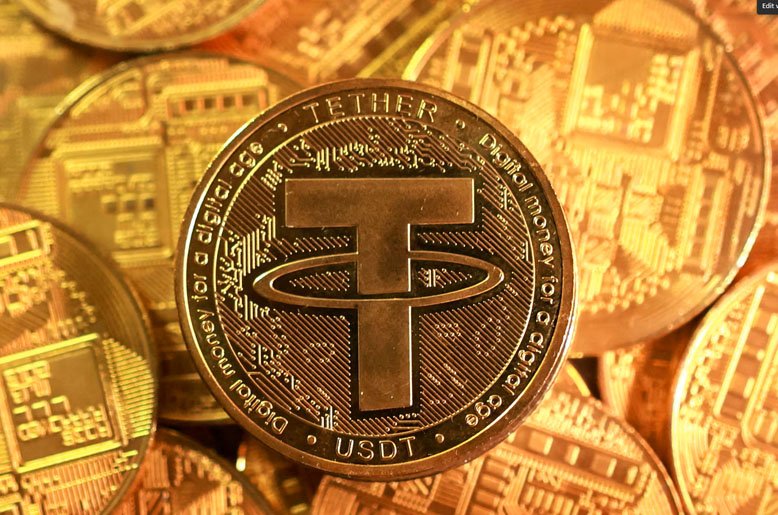
Pakistan is considering stablecoins as a cheaper way to send money home, a move that could save the country about $400 million a year if transfer costs fall by just one percentage point.
Bilal bin Saqib, chairman of the Pakistan Virtual Assets Regulatory Authority (PVARA), said the country receives close to $40 billion in remittances each year, but much of this money still passes through traditional banking systems.
He said blockchain-based payments could reduce the cost of sending money, giving overseas Pakistanis a cheaper option while keeping more funds within the formal financial system.
The World Bank estimates that sending $200 internationally costs about 6 percent on average. Even a small reduction in that cost could result in significant savings for Pakistan given the size of its remittance inflows.
Saqib said the government was now looking beyond cryptocurrency trading and examining whether blockchain technology could solve some of Pakistan’s wider financial problems.
The potential uses include overseas payments, digital exports, trade finance and tokenised assets.
The move comes as Pakistan begins bringing virtual asset businesses under formal regulation. The country has opened licensing for Virtual Asset Service Providers, while existing operators must apply for a No-Objection Certificate by September 5, 2026, under the Virtual Assets Act, 2026.
Saqib said stablecoins could also help freelancers, software developers and other digital workers receive foreign payments more easily. Pakistan’s growing digital economy depends heavily on overseas clients, but payment delays and high transaction costs remain a challenge.
The government is also looking at tokenisation as a way to improve access to financing. Small and medium-sized enterprises account for about 90 percent of businesses and 40 percent of GDP, yet SME financing was only Rs850 billion in March, according to Saqib.
Tokenised trade receivables and private credit could eventually allow Pakistani businesses to access a wider pool of investors, including overseas capital.
Saqib said Pakistan’s virtual asset policy would focus on regulation first, followed by licensing and compliance, before moving towards practical uses such as remittances, digital exports and trade finance.
He said the technology should not be adopted simply because it is new. Each use case must show a clear economic benefit for Pakistan.
The government now hopes regulation can turn virtual assets from a largely informal market into a controlled financial tool that supports the wider economy.
Read next: Pakistan signs MoU to explore stablecoin payments