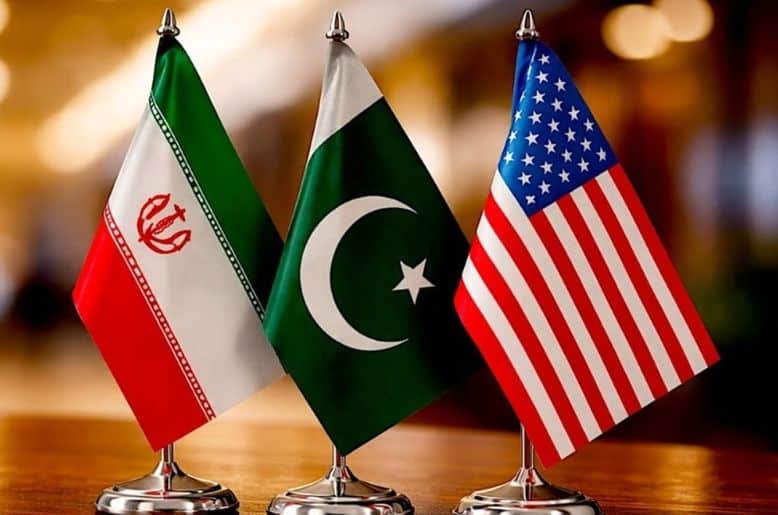
Pakistani journalist Syed Talat Hussain has listed 14 diplomatic “high points” for successful mediation between the United States (US) and Iran, in a post on the social media platform X on Thursday.
Pakistan's 14 high points
— Syed Talat Hussain (@TalatHussain12) June 18, 2026
1: Among the first countries to call for peace talks when the first phase of the attacks on Iran started.
2: Condemned use of force without picking sides in a delicate balancing act on a tight diplomatic rope.
In the post her credits Pakistan for playing a key role in mediation efforts between the US under President Donald Trump and Iran during the 2026 conflict.
Pakistan’s 14 diplomatic ‘high points’
According to the list, Pakistan was among the first countries to call for peace talks when the initial phase of attacks on Iran began.
It also condemned the use of force without taking sides and maintained what is described as a careful diplomatic balance.
The post further adds that Pakistan used backchannel diplomacy with both Washington and Tehran at a time when no other country was willing to step in or mediate. It also encouraged both sides to begin peace talks and helped keep communication channels open.
Pakistan also openly criticised Israel for its role in undermining the fragile engagement between Tehran and Washington. And also for its actions in Gaza and later Lebanon, while continuing to follow its stated principles.
Despite facing multiple security challenges like tensions with India, the Taliban, and terrorism, Pakistan was focused on diplomatic efforts to support the peace process.
It also offered several “off-ramps” to both the US and Iranian leadership when tensions escalated.
The list further mentions how Pakistan took unusual diplomatic steps, like visits by military officials to Iran, a letter from Foreign Minister Munir to Iran’s Supreme Leader, and appeals by PM Shehbaz to President Trump for easing tensions.
Islamabad MoU
It is also stated that Pakistan helped in drafting mutually acceptable statements and assisted in preparing the wording of a memorandum of understanding (MoU). And also allowed space for other countries to participate in mediation efforts.
In addition, Pakistan did not seek public credit and maintained strict confidentiality without leaking information. And also kept a low public profile while doing most of the ‘heavy-lifting’.
It also highlights Pakistan’s role in balancing competing regional interests. It includes the relationship between the UAE and Iran, and also managing difficult diplomatic reactions from traditional partners.
Finally, it says Pakistan helped calm tensions in Washington and Tehran during moments of exhaustion on both sides. Adding that, “ Adjusting to the stakeholders’ positions (e-signing) without becoming a stickler for detail, constantly arguing from the start to the end that the deal is the real goal, the path is flexible.”
