
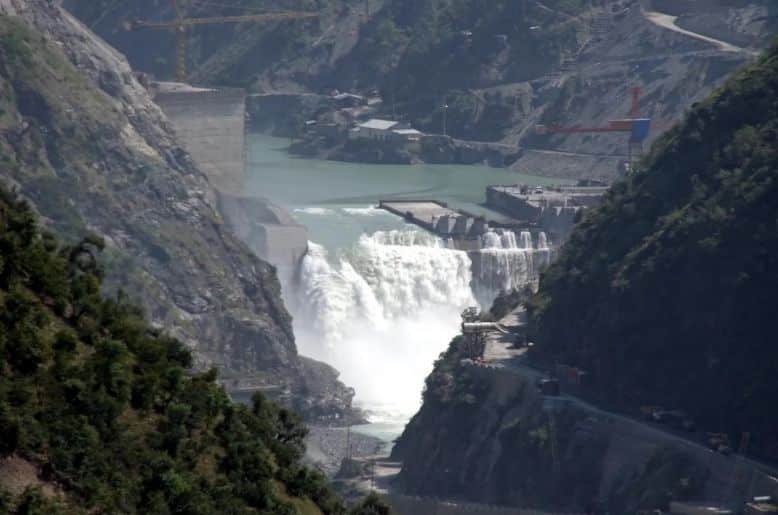
The Permanent Court of Arbitration in The Hague has ordered India to submit detailed operational records of its hydropower projects built on rivers flowing into Pakistan, a private media channel reported. The directive comes as part of the ongoing dispute between Pakistan and India under the Indus Waters Treaty (IWT).
The court instructed India to provide operational logbooks of the Baglihar and Kishanganga hydropower projects by February 9. If India fails to comply, it must formally explain the reasons for non-submission to the tribunal.
Pakistan, on the other hand, must clarify by February 2 which specific documents it is seeking from India. The second phase of hearings on the merits of the case will take place on February 2and 3 in The Hague. The tribunal made it clear that the proceedings will continue even if India chooses not to participate.
A high-level Pakistani delegation, led by the Attorney General, will represent Pakistan before the court. Islamabad maintains that India has misused provisions of the Indus Waters Treaty by illegally storing water in its dams. Pakistani officials argue that the operational logbooks are essential to prove claims of water withholding.
The tribunal also emphasised that it alone has the authority to approve any additional water storage under the treaty. It clarified that neutral experts cannot permit interim or unauthorised actions. The court noted that dam operation records from Indian-administered Kashmir are critical evidence in resolving the dispute.
Legal experts see the court’s order as a significant procedural win for Pakistan, strengthening its case under the 1960 Indus Waters Treaty.
Earlier, on November 12, 2025, Pakistan announced it would participate in Neutral Expert proceedings despite India’s refusal to do so. The Foreign Office said the court had confirmed its jurisdiction covers all components of run-of-river hydropower projects, not just freeboard issues, and prohibits any design that artificially raises water levels beyond permitted limits.

