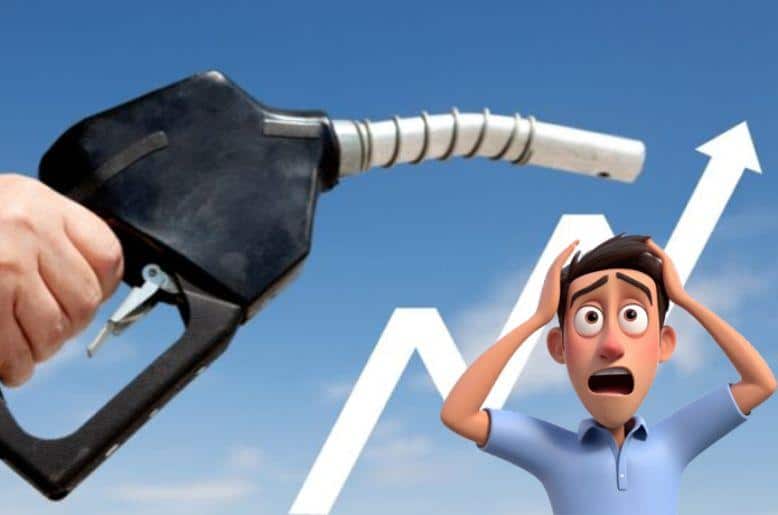
Petrol and diesel prices in Pakistan will likely rise again this week as the federal government reviews fuel rates amid a sharp increase in global crude oil prices.
The possible hike comes only days after the government raised petroleum prices following the approval of a $1.3 billion tranche by the Executive Board of the International Monetary Fund (IMF), which was transferred to the State Bank of Pakistan.
International oil markets have witnessed a major surge after US President Donald Trump rejected Iran’s proposal aimed at ending the Gulf conflict, pushing crude prices close to the $110 per barrel mark.
Analysts say growing geopolitical tensions and tightening global supply conditions have continued to place strong pressure on energy markets worldwide.
Brent crude had climbed nearly 2.5 percent to around $107 per barrel, while US West Texas Intermediate (WTI) rose about 3 percent to reach $101 per barrel.
With international oil prices continuing to rise, the federal government is likely to announce another increase in petroleum prices during Friday’s fortnightly review.
A fresh hike in fuel prices could further intensify inflationary pressure across the country, as increases in petrol and diesel costs usually lead to higher transportation and commodity prices.
Last week, Prime Minister Shehbaz Sharif approved an increase of Rs15 per litre in diesel prices and Rs14.92 per litre in petrol prices.
Following the revision, petrol is currently being sold at Rs414.78 per litre, while diesel stands at Rs414.58 per litre.
Despite a decline in international oil prices last week, the government still increased domestic fuel rates by raising the petroleum levy.
The IMF has also advised Pakistan to pass on the impact of fluctuations in global oil prices directly to consumers.
Sources said the government has already collected more than Rs1,330 billion through the petroleum levy, against the annual target of Rs1,468 billion.
To reduce the fiscal deficit, the IMF has urged the government to maintain strict fiscal discipline in the upcoming budget while also increasing spending on health, education, infrastructure, and social protection sectors.
Also read: Get fuel on discounted rates after hike in petrol prices, here’s how
