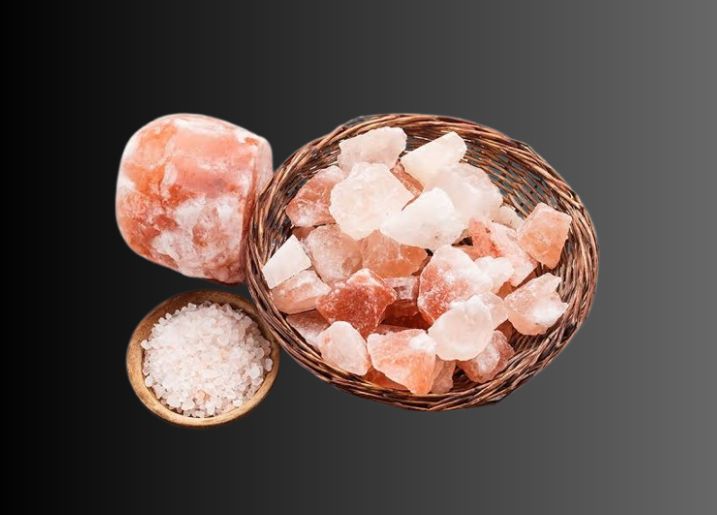
Pakistan sits on the world’s only Himalayan Pink Salt reserves and the world’s second-largest salt reserves overall, yet the country’s total salt export revenue was just $76.7 million in 2024, a small fraction of a global Himalayan salt market estimated at around $500 million and growing. That gap between resource and revenue is exactly what a new Punjab government scheme is trying to close, and it’s opened a real, government-backed entry point for investors.
Most of Pakistan’s pink salt leaves the country unprocessed, selling for as little as $0.15 to $0.30 per kilogram in raw form. By contrast, processed pink salt sells for roughly $300 per ton in European markets ramatically more than raw exports currently earn. The value isn’t in the salt itself; it’s in grinding, refining, packaging, and branding it before it leaves the country. That’s the specific gap Punjab’s new scheme is designed to fill.
In July 2026, Punjab Chief Minister Maryam Nawaz digitally inaugurated the Chief Minister Pink Salt Value Addition Financing Scheme, aimed squarely at investors who want to process and export pink salt rather than sell it raw.
The scheme includes:
- Interest-free loans between Rs5 million and Rs50 million, specifically for machinery and equipment used in processing, grinding, refining, cleaning, and packaging pink salt
- A new 110-acre Pink Salt Mineral Processing Zone near Quaidabad in Khushab district, planned to eventually house more than 200 industrial units
- A Business Facilitation Centre and Model Retail Outlet to support investors with one-window services and a marketing channel for finished products
- Online applications for the financing scheme through the Mines and Minerals Department are open to both local and international investors
Investor appetite already looks real on paper: officials said bids worth Rs471 million were received in the first phase of pink salt lease and licence auctions, rising to Rs2.5 billion in the second phase.
Separately from Punjab’s provincial scheme, a national-level agreement was reached in May 2026 between the Pak Salt Corporation and the China National Salt Industry Group, facilitated through Pakistan’s Special Investment Facilitation Council (SIFC) and the Petroleum Division. The deal is aimed at integrating Pakistani rock/pink salt into Chinese and broader global supply chains and is expected to open additional export volume beyond what the Punjab processing zone alone would generate.
Taken together, these two initiatives point to a sector the government is actively trying to de-risk and formalise for outside capital: cheap financing for equipment, dedicated industrial infrastructure, an official application channel through the Mines and Minerals Department, and a national trade agreement opening a major new export market. The opportunity isn’t in mining more raw salt, Pakistan already extracts roughly 400,000 tons a year it’s specifically in the processing, packaging, and branding layer that has historically been left to other countries to capture.
Investors interested in the Punjab scheme can apply through the province’s Mines and Minerals Department, while those looking at the China-facing export angle would need to engage directly with the Pak Salt Corporation or SIFC for details on that channel.