
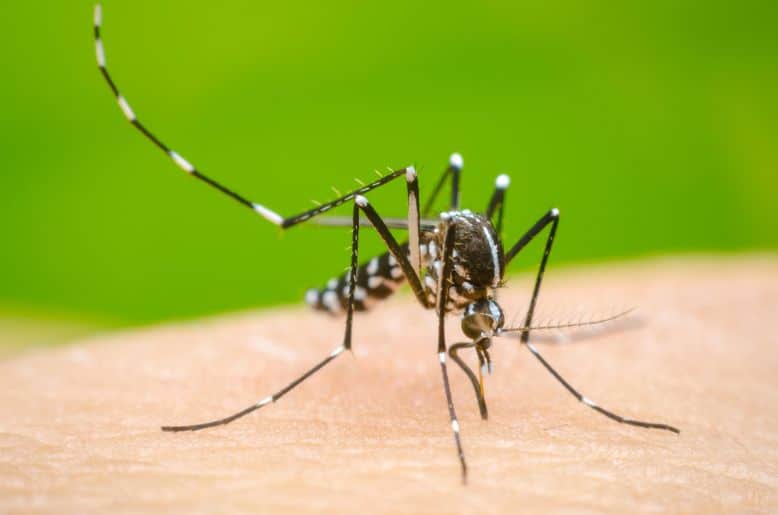
The Cabinet Committee on Infectious Diseases, Dengue and Disaster Management met on Tuesday and instructed officials to intensify anti-dengue efforts throughout Punjab, particularly in districts marked as high-risk areas.
The meeting was co-chaired by Provincial Health Minister Khawaja Salman Rafique and Provincial Minister for Primary and Secondary Healthcare Khawaja Imran Nazir.
The Secretary of Health and Population, Health CEOs, and representatives from related departments were present, while commissioners, deputy commissioners, health officials, and medical experts participated via video link.
The committee evaluated the current dengue situation in the province, reviewed ongoing prevention and control strategies, and looked into the execution of decisions made in the last meeting.
During the meeting, Khawaja Salman Rafique stressed the importance of increasing field surveillance and improving monitoring systems.
He stated that controlling dengue is a collective duty of all stakeholders and departments, warning against any fake or superficial surveillance.
“The public must maintain cleanliness in their homes, shops, and workplaces, while authorities need to take effective actions to remove mosquito breeding sites,” he said, adding that better treatment options are being made available for dengue patients in specialised hospitals. He warned that strict measures would be taken against officials who present false performance reports.
Khawaja Imran Nazir instructed health CEOs to closely collaborate with district administrations and to carry out anti-dengue operations as a priority.
He acknowledged the significant success achieved in last year’s anti-dengue campaign and encouraged officials to maintain the same proactive strategy this season.
The minister also announced plans to engage university and college students in anti-dengue initiatives, emphasising that community involvement is crucial for controlling the disease.
Read more: Rawalpindi steps up dengue fight with 1,000 new hires
