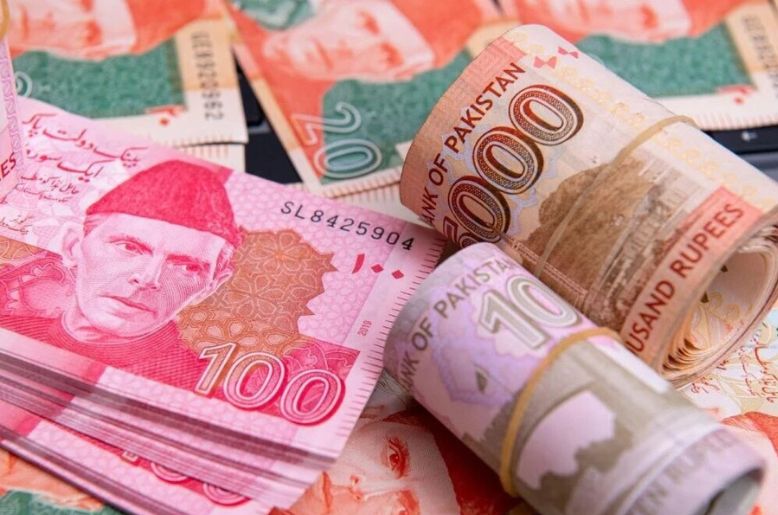
The National Savings Centre has announced monthly returns on its Regular Income Certificates, reports say on Thursday. According to this, the investors will receive regular income at a fixed rate.
This scheme was launched in February 1992 with the purpose of providing a monthly income to the public through safe investment.
The duration of the scheme is five years, and the profit starts immediately after the investment.
All Pakistani citizens and overseas Pakistanis can invest under the scheme. It can include a single individual, a minor or two people through a joint account.
The minimum investment limit has been set at Rs50,000, while there is no maximum investment limit.
As of May 2026, the rate of return on Regular Income Certificates has been set at 9.60 per cent per annum.
Based on this calculation, an investment of Rs100,000 yields a profit of about Rs830 per month.
At the same rate, an investment of Rs50,000 is likely to yield a profit of about Rs415 per month.
According to tax laws, active taxpayers will be subject to 15 per cent withholding tax.
While non-filers will be subject to 30 per cent. In addition to this, the zakat is not deducted from this scheme.
PM Shehbaz extends transport subsidies
Prime Minister Shehbaz Sharif has decided to continue relief measures for economically weaker sections, extending subsidies on motorcycles, public transport and goods transport for an additional month.
According to media reports, the Prime Minister has also directed authorities to immediately stop any increase in passenger fares and freight charges.
Earlier, Sindh Chief Minister Murad Ali Shah announced that the subsidy for motorcycle owners would continue.
Under this scheme, motorcycle owners in Sindh are receiving a Rs2,000 subsidy due to rising fuel prices.
Before this, the Sindh government had introduced a subsidy of Rs. 2,000 per motorcycle in response to rising petrol prices.
