
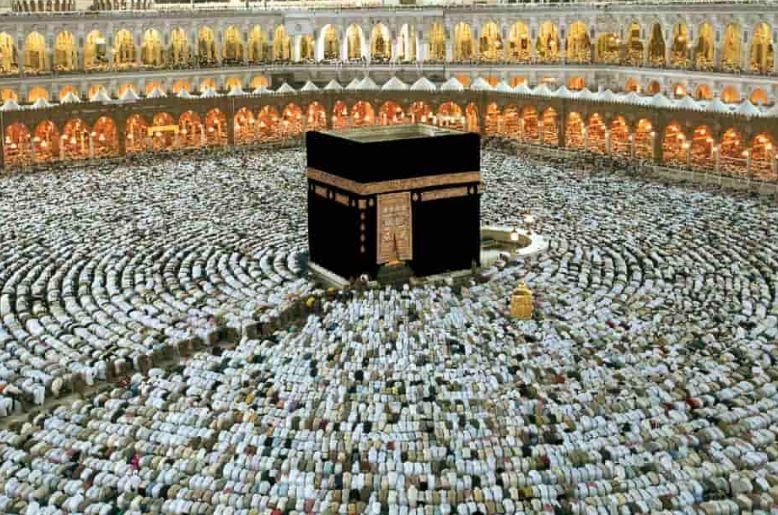
Head of the Presidency of Religious Affairs at the Grand Mosque and the Prophet’s Mosque, Sheikh Abdulrahman Al-Sudais, has urged all intending pilgrims to strictly follow updated Hajj regulations for 2026, saying that obtaining an official permit is mandatory.
He reiterated that the principle of “no Hajj without a permit” aligns with Islamic teachings and is essential to ensure safety, prevent overcrowding, and maintain order during the pilgrimage.
According to the Saudi Press Agency, pilgrims have been advised to fully cooperate with authorities and adhere to all guidelines to facilitate a smooth and well-organised Hajj experience.
Meanwhile, Prince Saud bin Mishaal bin Abdulaziz reviewed preparations for the upcoming Hajj season during a meeting in Jeddah with Tawfiq Al-Rabiah and senior officials. He highlighted that Saudi leadership is committed to mobilising all resources to ensure pilgrims can perform their rituals with ease and peace of mind.
Authorities have also assessed readiness at holy sites, including infrastructure, logistics, and a growing digital services ecosystem designed to enhance the overall pilgrimage journey and improve access to the Grand Mosque.
In addition, a major training initiative has been launched in collaboration with Umm Al-Qura University to prepare guides and administrators. The program aims to train 1,500 participants through over 7,500 hours of instruction, focusing on crowd management, service quality, and operational efficiency during Hajj and Umrah.
These new measures reflect Saudi Arabia’s continued efforts to enhance safety, organisation, and the overall experience for millions of pilgrims expected in 2026.
Saudi Arabia bans entry to Makkah without permit
Saudi Arabia earlier announced that expatriates and residents without official permits will be barred from entering Makkah from April 13, as part of new regulations introduced for the upcoming Hajj season.
According to the Saudi Press Agency, Public Security confirmed that the permit requirement has come into effect, and only individuals with valid authorisation will be allowed entry into the holy city.
The restrictions apply to anyone who does not hold a valid Hajj permit, a work permit for the Holy Sites, or a residency ID issued in Makkah. Authorities have set up strict checkpoints, where those failing to meet the requirements will be turned back.
In addition, April 18 has been set as the final deadline for Umrah pilgrims to leave the country. From the same date, Umrah permits issued through the Nusuk platform will be suspended until May 31. Entry into Makkah will also be restricted for all visa holders except those with valid Hajj visas.
The government officials added that permits for Hajj season workers will be issued digitally through platforms such as Absher and Muqeem Portal, integrated with the Tasreeh system.
Authorities have urged residents and visitors to strictly comply with the new rules, warning that violations will result in penalties, as the measures are aimed at ensuring safety and smooth pilgrimage operations.
Also read: Hajj 2026 operation begin: when will first flight depart?

