
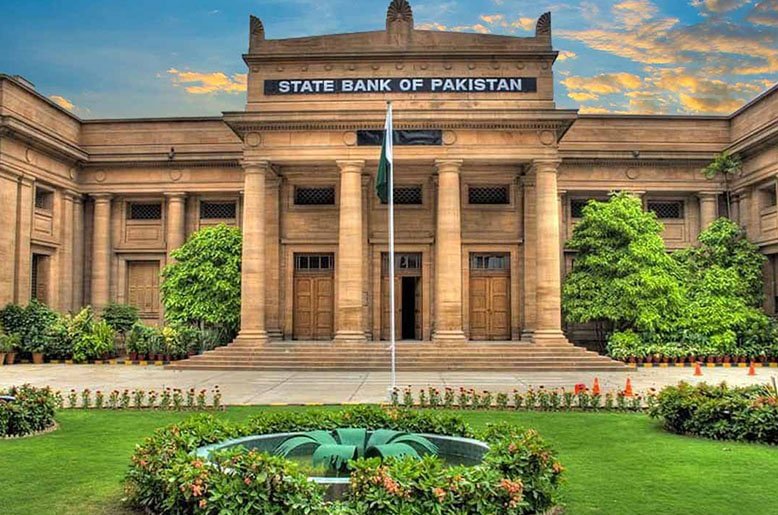
Pakistan’s central bank is widely expected to keep its key interest rate unchanged when the Monetary Policy Committee meets on March 9, as analysts warn that rising global uncertainty is clouding the economic outlook.
Market experts say the State Bank of Pakistan is likely to maintain the policy rate at 10.5 percent, choosing caution at a time when global financial markets are facing fresh pressure.
Brokerage house Arif Habib Limited said in a report on Friday that the central bank may prefer to wait before making any change in monetary policy.
The firm noted that tensions linked to the conflict between the US and Iran have unsettled global markets. Oil and other commodities have risen sharply in recent weeks, increasing pressure on economies that depend on imported fuel.
Pakistan is among those countries. A rise in oil prices could quickly affect its external accounts because the country imports a large share of its energy needs.
According to estimates shared in the report, every 10 dollar increase in the price of crude oil could widen Pakistan’s current account deficit by around 2 billion dollars each year. Higher oil prices could also push inflation upward.
Analysts say headline inflation may rise by about 0.4 percent directly, while wider price pressures could push the consumer price index further above the central bank’s medium term target of 5 to 7 percent.
However, there may be some relief from overseas Pakistanis. Remittances from Gulf countries make up around half of Pakistan’s total inflows.
Economists say workers in the Gulf may send more money home if tensions in the Middle East continue. The upcoming Eid season could also increase transfers, which may help ease pressure on the country’s external finances.
Market surveys show a strong consensus that the central bank will keep rates unchanged.
Arif Habib Limited said about 96 percent of participants in its survey expect no change in the policy rate. Only a small number believe the bank may cut rates slightly.
Topline Securities also reported similar expectations. It said most investors now expect the central bank to hold rates because oil prices have risen sharply in recent weeks amid regional tensions.
Analysts say the central bank may prefer to watch how the situation develops before making any move, although a rate increase could still be considered if inflation rises further.
Read next: Gold price falls by Rs3,400 per tola in Pakistan after drop in global market


