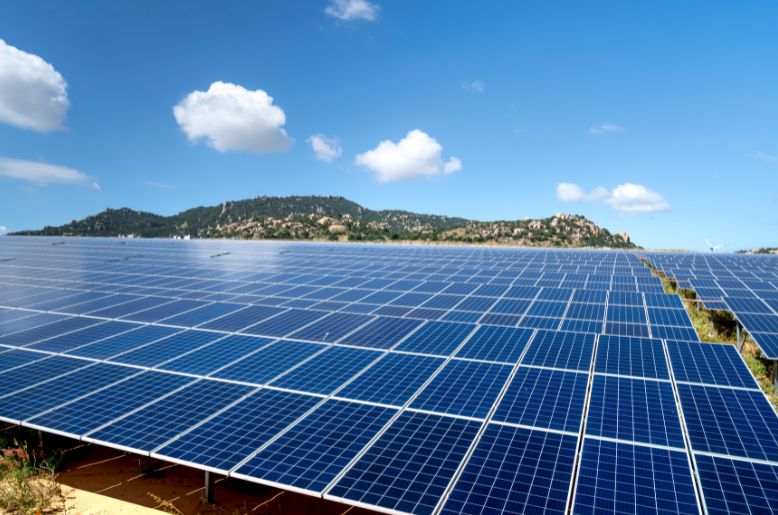
The National Electric Power Regulatory Authority (NEPRA) has changed the Solar Regulations 2026 to make it easier for people to install small solar systems on Thursday.
Under the new rules, people who are installing solar systems of up to 25 kilowatts (kW) will no longer need to get separate approval from NEPRA.
According to the notification, electricity distribution companies (DISCOs) will now be responsible for approving applications for solar systems up to 25 kW. Consumers can submit their applications directly to their relevant DISCO.
The regulator said the change is meant to make the approval process faster, easier and more convenient for consumers.
The purpose of the move is also to remove unnecessary administrative steps and encourage the use of solar energy.
The new rules are expected to reduce the time needed to process applications. They will also make it easier for households and small businesses to install solar systems.
Energy experts say the decision could encourage more people to switch to solar power.
They believe it may also help increase the use of renewable energy, reduce pressure on the national electricity system and lower electricity costs for consumers.
Free solar systems for people
The Sindh government has started a programme to provide free mini solar home systems to 275,000 low-income families across the province.
The Rs18.2 billion project aims to improve access to electricity and promote the use of renewable energy.
Senior Minister Sharjeel Inam Memon said that the programme was launched on the instructions of PPP Chairman Bilawal Bhutto Zardari.
According to the minister, 132,000 families who do not have access to electricity will receive free mini solar home systems.
And, 143,000 families that are connected to the national grid will also receive solar kits to help reduce their electricity bills.
Each solar kit includes a 180-watt solar panel, a battery, LED bulbs and a fan. The system is designed to meet basic household electricity needs.
