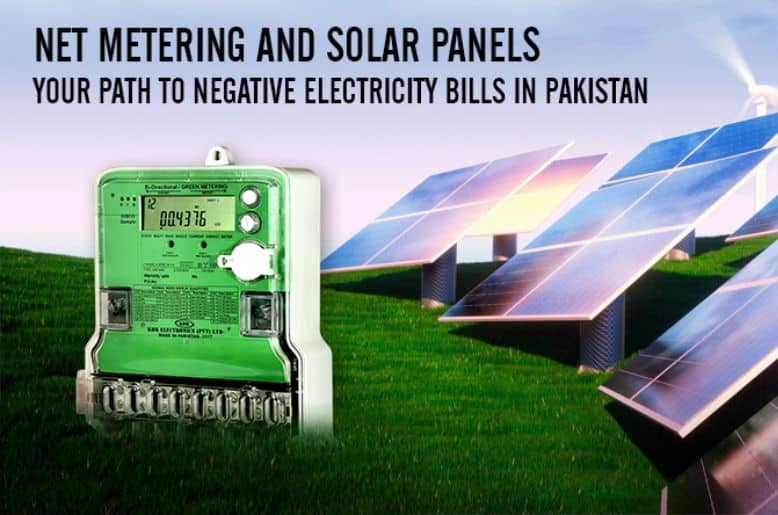
Electricity bills in Pakistan are rising every year. Many households and businesses are looking for ways to save money and reduce dependency on the grid. Solar net metering Pakistan offers a practical solution. It allows you to generate your own solar electricity and send surplus energy back to the grid. In return, you get credits to offset your electricity costs.
This system is becoming popular in cities like Karachi, Lahore, and Islamabad. It benefits people who want to reduce bills while contributing to clean energy.
What is solar net metering Pakistan
Solar net metering Pakistan allows homeowners and businesses to install rooftop solar panels. These panels produce electricity during the day. When your system produces more than you need, the extra electricity goes back to the grid.
You receive credit for this surplus power. These credits reduce the amount you pay for electricity drawn from the grid later. This way, net metering helps you save money while using renewable energy.
How net metering works
When you generate solar electricity, your meter measures production and consumption. If your panels produce more than your home consumes, the extra goes to the grid. Your electricity meter records this exported energy as credits.
At night or on cloudy days, you draw electricity from the grid. The credits earned earlier are used to offset the cost. This cycle continues throughout the billing period, lowering your electricity bills effectively.
Benefits of solar net metering Pakistan
Lower electricity bills
The most obvious benefit is savings. Solar energy reduces the amount of electricity you buy from the grid. Households with average energy use can save thousands of rupees every month.
Environmental impact
Using solar energy reduces reliance on thermal power plants. This lowers greenhouse gas emissions. It is a clean and sustainable energy solution.
Energy independence
Solar net metering provides partial energy independence. You rely less on power outages or fluctuating utility rates.
Long term investment
Rooftop solar systems last for many years. They not only reduce electricity bills but also increase property value.
Current changes in solar net metering Pakistan
The government is planning changes to net metering regulations. The draft Prosumer Regulations 2025 aims to introduce a gross metering system.
Under the new framework, new solar users will sell all electricity generated to the distribution companies at a fixed lower rate. Electricity drawn from the grid will be billed separately at the national tariff.
Existing users with valid net metering agreements will continue at current rates until their contracts expire. New agreements will last five years instead of seven. The maximum system size will also be reduced.
These changes may reduce returns for new solar investors. Critics argue that distribution companies buy solar energy at a low rate while selling at higher retail prices. This could increase payback periods for rooftop solar projects.
How the changes affect your savings
Even with new regulations, solar systems remain beneficial. Existing consumers continue to get higher rates for surplus electricity.
For new users, savings may be lower due to reduced credit rates. It is still possible to recover investment in a reasonable time with proper system sizing and energy planning.
Choosing the right panel size and maintaining the system efficiently can maximize benefits under the new rules.
Costs and financing options
Installing a rooftop solar system requires initial investment. Costs depend on the system size and quality of the panels.
Banks and financial institutions in Pakistan offer financing options. Monthly installments help spread the cost over time. Some systems can pay for themselves in two to five years through electricity savings.
Maintenance costs are low. Panels usually last 20 years or more with minimal upkeep.
Fuel type and efficiency
Solar energy uses sunlight as fuel. Efficiency depends on panel type and location. In Pakistan, most regions receive enough sunlight for consistent energy production.
Modern panels convert sunlight into electricity efficiently. For households and small businesses, energy output can meet a large portion of daily electricity needs.
Choosing the right system
System size depends on energy consumption. Experts recommend matching solar output with your electricity needs.
For new users under the proposed regulations, maximum system size is now limited. Optimizing your system ensures the best return on investment. Oversized systems may not generate extra savings under the new framework.
Maintenance and longevity
Solar panels are durable and require minimal maintenance. Regular cleaning and occasional inspections keep the system efficient.
Monitoring software can track energy production. Alerts help identify issues before they affect performance. This ensures maximum savings for every household or business.
Common misconceptions
Many people think solar net metering requires high technical knowledge. Systems are easy to install and operate.
Some assume savings are immediate. While initial bills may drop slowly, long-term savings are substantial. Choosing the right installer ensures a hassle-free experience.
Future of solar net metering Pakistan
The government aims to balance the grid and encourage renewable energy. The transition to gross metering will reduce the financial burden on conventional electricity users. Even with lower rates for surplus energy, rooftop solar remains a smart investment.
Over the long term, energy independence and environmental benefits make it worthwhile. You can also check our update IESCO power shutdown scheduled on Feb 4 for Islamabad, Rawalpindi Cantt: see your area timings to plan your electricity usage.
Is solar net metering worth it in Pakistan
Yes, for most households and businesses, solar net metering Pakistan remains a valuable option.
It reduces electricity bills, lowers environmental impact, and increases property value. Careful planning and system sizing help maximize benefits under changing regulations.
Frequently asked questions
What is solar net metering Pakistan?
It allows homeowners and businesses to sell surplus solar electricity to the grid and get credit against electricity bills.
Can solar net metering really reduce my bill?
Yes, households and businesses can save significantly depending on system size and energy usage.
How long does a rooftop solar system last?
Panels usually last 20 years or more with minimal maintenance.
Will new regulations affect my savings?
Yes, new users may receive lower credit rates, but savings are still possible with proper planning.
Do I need technical knowledge to install solar panels?
No, professional installers handle system design, installation, and maintenance.