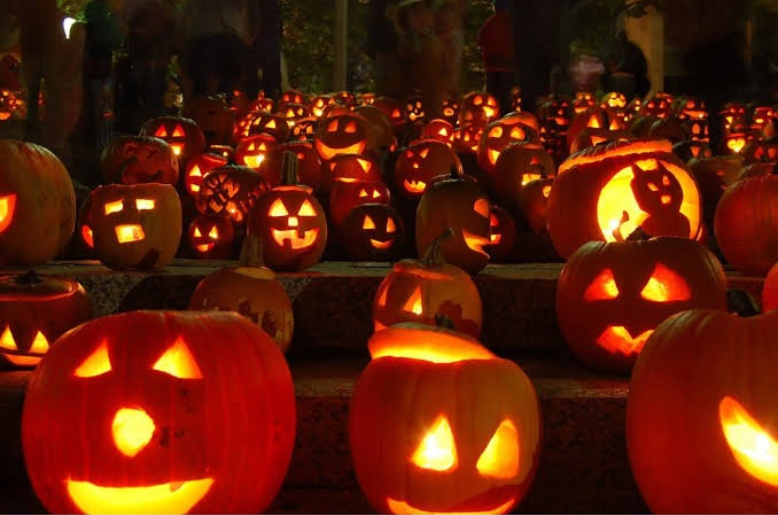
Halloween is famous for spooky costumes, glowing pumpkins, and bags full of candy. Children dress as ghosts, witches, and superheroes. Families carve scary faces into pumpkins and decorate their homes with orange lights. But these traditions did not begin as the fun celebration we know today. Many have roots in old customs, ancient beliefs, and changing social habits. The story becomes even more interesting when we look at how a simple pumpkin became a Halloween symbol. Costumes once helped people connect with the spirit world in traditional beliefs.
Candy later became a major part of the holiday as celebrations changed over time. Halloween may seem like a celebration of costumes and sweets. However, its history reveals how food, folklore, and community traditions can change across generations. This article explains the surprising history behind pumpkins, Halloween costumes, and candy. It also shows how these traditions became popular around the world.
How Halloween Began Before Pumpkins and Candy
Halloween has roots in ancient Celtic traditions. One important festival was called Samhain. People in parts of Ireland, Scotland, and other Celtic regions observed it around the end of October. Samhain marked the end of the harvest season and the beginning of the darker part of the year. Some people believed that the boundary between the living and the dead became weaker during this time.
They used fires, gatherings, and special customs to mark the occasion. These practices were not exactly the same as modern Halloween celebrations. Over time, Christian traditions also influenced the season. All Saints’ Day was observed on November 1, while All Souls’ Day followed on November 2 in the Western Christian calendar. The evening before All Saints’ Day became known as All Hallows’ Eve. This name eventually developed into Halloween.
As traditions changed, people combined older seasonal customs with religious practices and local folklore. This helped shape the holiday that many people recognize today. The important point is that Halloween did not come from one single custom. It developed through centuries of cultural change.
Why Pumpkins Became the Face of Halloween
A carved pumpkin is one of the most recognizable Halloween decorations. Its glowing eyes and scary smile appear on porches, in shops, and across social media. However, pumpkins were not always the main choice for Halloween decorations.
The Story of Jack-o’-Lanterns
The tradition of carving faces into vegetables is linked to Irish and Scottish folklore. People carved turnips, potatoes, and other root vegetables into lanterns. They sometimes placed lights inside these carvings. The frightening faces reflected old beliefs, local stories, and customs connected with the supernatural. One famous tale tells of a man called Stingy Jack. According to folklore, Jack tricked the Devil and later found himself unable to enter either heaven or hell.
He was said to wander with a light inside a carved vegetable. Different versions of this story exist. It is folklore, not a verified historical account. The name Jack-o’-lantern became associated with these strange lanterns. Irish immigrants later brought related customs to North America.
Why People Started Using Pumpkins
Pumpkins became a practical alternative to turnips in North America. They were widely available, larger, and easier to carve into expressive faces. Their size also made them suitable for placing a light inside. A pumpkin could create a much more visible decoration than a small root vegetable.
Over time, carved pumpkins became closely connected with Halloween. Their bright orange color also suited the autumn season. This change shows how traditions often adapt to local conditions. People did not need to abandon the idea of a carved lantern. They simply used a vegetable that worked better.
What the Pumpkin Symbolizes Today
Today, a carved pumpkin can represent fun, creativity, and the spooky spirit of Halloween. Families often carve funny faces instead of frightening ones. Some people use pumpkin carving as an art activity. Others enter carving contests or create detailed designs for decorations. Pumpkins also appear in autumn festivals, food markets, and seasonal recipes. Their role now extends far beyond old folklore. For many people, the pumpkin is not a symbol of fear. It is a sign that Halloween has arrived.
The Surprising History of Halloween Costumes
Halloween costumes are now a major part of the celebration. People dress as ghosts, vampires, monsters, cartoon characters, and famous celebrities. But costumes have a much older history than modern parties and costume contests.
Why People Once Wore Scary Costumes
Some historical Halloween customs involved disguises and frightening masks. People connected these practices with beliefs about spirits and the supernatural. In parts of Celtic tradition, Samhain was associated with the presence of spirits. Later folklore linked disguises with the idea of confusing or avoiding harmful supernatural beings.
However, not every costume tradition came from one ancient practice. Different regions developed their own customs over many years. The exact relationship between ancient Samhain practices and modern Halloween costumes is not fully clear. Some popular explanations simplify a much more complex history. Still, the connection between disguises, mystery, and fear helped shape Halloween’s familiar appearance.
How Costumes Became Fun for Children
Halloween costumes gradually changed as the holiday became more popular in North America. By the late 19th and early 20th centuries, Halloween celebrations included parties, games, and community activities. Costumes became a way for people to participate in these events. Children began dressing as traditional spooky characters. Homemade costumes often used old clothes, paper, fabric, and simple household materials. Commercial costume production later made ready-made outfits easier to buy. Popular films, television shows, comics, and video games also influenced costume choices.
Today, a Halloween costume does not need to look scary. Children may dress as princesses, animals, astronauts, or their favorite fictional heroes. This change reflects the wider development of Halloween. A celebration once linked with fear and folklore became an occasion for creativity and entertainment.
How Trick-or-Treating Developed
Trick-or-treating is one of Halloween’s best-known traditions. Children visit homes in costumes and ask for treats. Neighbors give them candy, chocolates, or other small gifts. The practice developed over time rather than appearing in its modern form overnight.
The Roots of Asking for Treats
Several older European customs involved people going from house to house to receive food. In some places, people offered prayers for the dead in exchange for small cakes. This practice became known as souling. Other traditions involved dressing in costumes and visiting homes to perform songs, poems, or other activities in return for food. Some of these customs were called guising.
These practices were not identical to modern trick-or-treating. However, they share a similar idea: people visit their neighbors and receive something in return. As Halloween customs developed in North America, children increasingly went from house to house asking for treats.
Why Trick-or-Treating Still Matters
Trick-or-treating is not only about collecting candy. It also creates opportunities for children to meet neighbors and enjoy a shared activity. Parents often accompany younger children. Families decorate their homes and prepare treats for visitors. Some neighborhoods organize special events in parks, schools, or community centers. These activities help people celebrate together. The tradition also shows how a seasonal festival can become part of everyday community life.
How Halloween Candy Became So Popular
Candy is now one of the biggest parts of Halloween in the United States. Shops sell seasonal chocolates, sweets, lollipops, and special Halloween treats. Yet candy was not always the main reward for children.
From Small Gifts to Packaged Sweets
Earlier forms of house-to-house customs often involved food, small gifts, or homemade treats. The exact items varied by region and period. As commercial candy production grew, packaged sweets became easier to buy and distribute. Their wrappers made them convenient for families to hand out to visiting children. During the 20th century, candy companies increasingly promoted Halloween as a time for sweet treats.
Seasonal packaging and themed products helped connect candy with the holiday. Trick-or-treating also provided a simple way for companies to reach families. Children could receive small products from many households in a single evening. This helped candy become central to the modern Halloween experience.
Is Halloween Only About Candy?
No. Candy is popular, but Halloween includes many other activities. People carve pumpkins, decorate homes, watch horror films, tell spooky stories, and attend parties. Schools and community groups may organize costume events and creative activities. Some families prefer homemade treats or non-food gifts. Others focus on crafts, games, or seasonal decorations. This variety is important because it shows that Halloween can mean different things to different people. Candy is one part of a much wider celebration.
The Role of Pumpkins in Halloween Food and Culture
Pumpkins are more than decorations. They are also used in cooking and seasonal food traditions. In North America, pumpkin pie is a popular autumn dessert. People also prepare pumpkin soup, roasted pumpkin, bread, and other dishes. Pumpkin seeds can be roasted and eaten as a snack. The flesh can be cooked in different ways, depending on the variety and recipe.
Can You Celebrate Halloween Without Carving a Pumpkin?
Yes. People can use paper pumpkins, painted designs, fabric decorations, or reusable lanterns. Families can also decorate real pumpkins without cutting them. Painting a pumpkin may be easier for younger children and can help it last longer. These alternatives allow people to enjoy the creative side of Halloween without following every traditional activity. They also show that traditions can change to fit different homes, budgets, and cultures.
How Halloween Traditions Spread Around the World
Halloween became especially popular in the United States and Canada. Over time, films, television, advertising, and social media helped spread its images around the world. Today, people in many countries hold costume parties, decorate pumpkins, and organize Halloween events. However, the way they celebrate depends on local culture and personal preferences.
Why Traditions Change Across Cultures
A tradition does not always keep the same meaning when it moves to another country. For example, a pumpkin can represent Halloween in the United States. In Pakistan, the same vegetable is commonly used in meals. A costume party may be a seasonal activity in one country and a special event at a school in another. These differences show how people adapt cultural practices to their own surroundings. Halloween’s history also offers a useful lesson. Traditions can begin with old beliefs, change through migration, and grow through popular culture and business.
What Makes Pumpkins, Costumes, and Candy So Important?
Pumpkins, costumes, and candy represent three different parts of Halloween. The pumpkin connects the celebration with folklore, autumn, and creative decoration. Costumes bring imagination and role-playing into the event. Candy adds sharing, excitement, and a familiar reward for children. Together, these traditions make Halloween easy to recognize. Each one also has a different history. Their development shows that modern celebrations often combine old stories with newer habits. People may keep the original symbols while changing how they use them. This is one reason Halloween continues to attract attention. It offers history, creativity, entertainment, and community activities in one celebration.
Final Thoughts
The surprising story behind pumpkins, costumes, and Halloween candy goes far beyond decorations and sweets. Carved lanterns developed from older European customs. Costumes grew from a mix of folklore, disguises, and community celebrations. Trick-or-treating evolved from older traditions of visiting homes and receiving food. Commercial candy later became a major part of the modern holiday.
The pumpkin also shows how traditions adapt to new places. A vegetable once used for food became one of the world’s most recognizable Halloween symbols.
FAQ
Q. Why are pumpkins associated with Halloween?
Pumpkins became popular because they were large, widely available in North America, and easier to carve than traditional root vegetables.
Q. What is a jack-o’-lantern?
A jack-o’-lantern is a carved lantern, usually made from a pumpkin. People often cut a face into it and place a light inside.
Q. Why do children wear costumes on Halloween?
Costumes developed from older customs involving disguises and folklore. Today, children wear them mainly for fun, parties, and trick-or-treating.
Q. How did Halloween candy become popular?
Packaged sweets became convenient treats as candy production grew. Trick-or-treating and seasonal marketing helped make candy a central part of Halloween.
Q. Is Halloween traditionally celebrated in Pakistan?
Halloween is not a traditional Pakistani festival. However, some schools, shopping malls, and private communities organize themed events.