
Oil prices around the world have dropped to their lowest level in two months after fears of escalating U.S.-Iran tensions eased investor worries about supply disruptions to the world’s energy supplies.
The world’s benchmark, Brent crude, fell to $92.57 a barrel in the international market, while US West Texas Intermediate (WTI) fell to $86.85 a barrel.
Meanwhile, United Arab Emirates’ Murban crude had a slight rise in price to $99 a barrel compared to the decline in the two major international benchmarks.
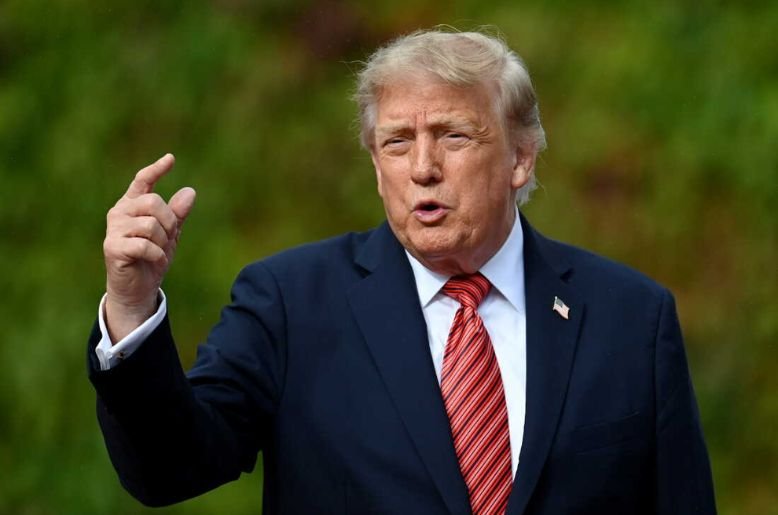
The falling oil prices coincide with rising hopes that Washington and Tehran can become more conciliatory. Investor apprehensions reportedly eased after comments by U.S. President Donald Trump, who downplayed his chances of additional military actions against Iran.
There had been uncertainty in worldwide energy markets before, given the potential for a confrontation between the two nations, and traders were watching closely to see how it would affect the world in terms of oil supply and production.
But Trump’s new comments seem to have shifted the calculus of investors’ risk of supply disruptions, adding further pressure to the downward direction of crude prices.
There had been worries at the market that a military confrontation between Iran and any other country could disrupt the flow of energy supplies, especially as Iran occupies a strategic role in the global energy market and the transport routes through the region are vital to the flow.
The new price drops in both Brent and WTI are an indication of prevailing market sentiment, with reduced geopolitical risk concerns being offset by the easing of market fears about any supply shortages.
Oil markets have been sensitive to developments in US-Iran ties; any further escalation or diplomatic progress will likely have an impact on the markets in the coming days.