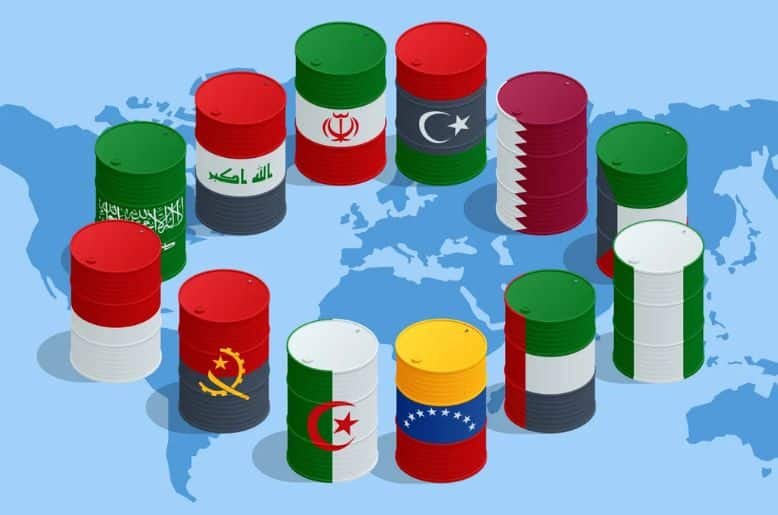
The United Arab Emirates (UAE) has announced to leave the Organisation of the Petroleum Exporting Countries (OPEC) and OPEC+ alliances.
UAE stated that it wants to focus on its national interests and long-term energy plans.
The decision is expected to take effect on Friday. Officials said the move reflects the country’s evolving energy strategy and changing priorities in the global market.
In a statement on April 28, the UAE’s Energy Minister, Suhail Mohamed al-Mazrouei, said the decision followed a review of current and future production plans.
The UAE said it had made “significant contributions” during its time in the group but now needed to focus on policies that better align with its own economic goals, he said.
He added that it was a policy choice taken independently, without consultation with other member states.
The move comes at a time of uncertainty in global energy markets.
Tensions in the region have affected shipping through the Strait of Hormuz, a vital route for oil and gas supplies. Disruptions there have raised concerns about supply and prices.
The departure of the UAE, one of the largest producers in the group, may affect how OPEC manages output levels and market stability.
Read More: Fortuner price drops after Toyota announces major cut
Analysts say it could reduce the group’s ability to respond to sudden changes in supply and demand.
OPEC, based in Vienna, has traditionally tried to maintain unity among its members, even when disagreements arise over production targets or political issues.
In recent years, its influence has faced challenges as countries outside the group, including the United States, have increased oil production.
The UAE has been a member of OPEC since the late 1960s.
Its exit marks a notable change in the structure of the group at a time when global demand and pricing pressures continue to shift.
Also read: Punjab govt launches lady health visitor course: here is how to apply
