
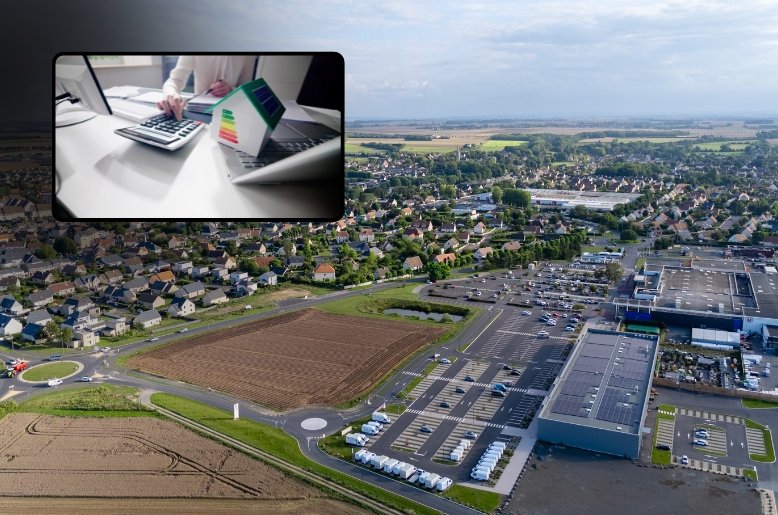
An urban area plays a strong role in the life of people in Pakistan. Cities grow fast due to jobs, education, and better facilities. Millions of people move from villages to cities every year. This movement changes the economy, housing system, and job market.
An urban area creates opportunities. It also creates pressure. Roads are becoming crowded. Houses have become more expensive. Jobs become competitive. This article explains how an urban area affects economy, housing, and jobs in Pakistan.
What Is an Urban Area
An urban area is a place with a high population density. It has developed infrastructure. It includes cities and large towns. Karachi, Lahore, Islamabad, Rawalpindi, and Faisalabad are major urban areas in Pakistan.
These areas have offices, factories, schools, hospitals, and markets. People depend on urban areas for income and services. The government also focuses more on these regions for development.
Growth of Urban Areas in Pakistan
Pakistan is becoming more urban every year. Population growth increases city size. Rural people move to cities for better lives. Natural disasters also push people toward urban areas. This growth brings both progress and stress. Cities expand faster than planning. Services struggle to keep pace. Yet urban growth remains unstoppable.
Urban Area impact on economy
Urban areas act as economic centers. Most businesses operate in cities. Industries, banks, and markets stay close to each other. This setup boosts trade and productivity.
Cities generate more tax revenue. The government collects sales tax, income tax, and property tax from urban areas. This money supports national development.
Urban areas also attract foreign investment. Investors prefer cities due to infrastructure and workforce availability. This investment strengthens the economy.
Small businesses and Urban economy
Urban areas support small businesses. Shops, food stalls, transport services, and online sellers grow in cities. These businesses create income for families.
Women also find more business chances in urban areas. Home-based work, beauty services, and online stores thrive in cities. This trend supports household income.
Challenges to Urban economy
Urban growth creates inequality. Wealth stays in limited areas. Poor communities struggle with low wages. Inflation rises in cities due to high demand.
Traffic congestion also hurts productivity. Workers waste hours on roads. Fuel costs increase. These issues slow economic efficiency.
Urban Area impact on housing
Housing faces the biggest pressure in urban areas. Population growth increases housing demand. Supply fails to meet demand. Prices rise fast.
Many families cannot afford proper housing. Slums grow around cities. Informal settlements lack clean water and sanitation.
Property prices in Urban Areas
Urban land is expensive. Property prices increase every year. Investors buy plots for profit. Middle class families struggle to buy homes.
Rent also rises. Many people spend a large part of their income on rent. This limits savings and quality of life.
Vertical housing trend
Cities are now moving toward apartments. High rise buildings save space. Vertical housing suits dense populations.
However, apartment living also needs proper planning. Parking, water supply, and waste systems need improvement.
Government housing schemes
The government launches housing schemes to manage urban pressure. Affordable housing projects aim to support low-income families.
Success depends on transparency and planning. Without proper control, schemes fail to reach deserving people.
Urban Area impact on jobs
Urban areas create more jobs than rural regions. Offices, factories, hospitals, and schools need workers. Skilled and unskilled jobs exist in cities.
Graduates move to cities for career growth. Companies offer higher salaries in urban areas. This attracts talent nationwide.
Informal job sector
Many urban jobs remain informal. Street vendors, drivers, cleaners, and helpers work without contracts. These jobs offer income but lack security.
The informal sector supports city life. Yet workers face risks. No insurance or legal protection exists.
Youth employment in Urban Areas
Cities attract young people. Universities and training centers operate in urban areas. Students hope for a better future.
Competition remains high. Not all graduates find suitable jobs. Skill mismatch causes unemployment. Training programs must match market needs.
Women employment in Urban Areas
Urban areas offer more work options for women. Offices, schools, hospitals, and media hire women. Online jobs are also growing.
Social barriers still exist. Safety and transport issues limit participation. Yet progress continues.
Urban migration and Its effects
Rural migration increases city pressure. Villages lose workers. Cities gain population without planning. This migration changes family structures. Joint families break into smaller units. Cultural values shift.
The opening of Koral Interchange has improved daily commuting for thousands of residents in Islamabad. Similar infrastructure projects are reshaping the capital’s traffic flow, as seen in our coverage of Koral Interchange eases Islamabad traffic congestion and its wider urban impact.
Infrastructure pressure in Urban Areas
Urban growth strains infrastructure. Roads break down. Electricity shortages occur. Water supply becomes limited. Waste management remains a serious issue. Cities struggle to manage garbage. Pollution affects health.
Health and education in Urban Areas
Urban areas offer better hospitals and schools. Access remains unequal. Poor communities face overcrowded facilities. Private services cost more. Public systems face overload. Quality varies widely.
Future of Urban Areas in Pakistan
Urbanization will continue. Planning must improve. Smart cities can help manage growth. Public transport, affordable housing, and job creation need to focus. Without action, urban problems will grow.
Technology can support urban management. Digital services improve efficiency. Policy reforms remain essential.
Conclusion
An urban area shapes Pakistan’s economy, housing, and jobs. Cities drive growth and opportunity. They also face serious challenges.
Balanced development is key. Rural development can reduce migration pressure. Urban planning can improve the quality of life. The future of Pakistan depends on how well it manages its urban areas.
Frequently asked questions
Q. What is an urban area in Pakistan?
An urban area is a city or town with a high population and developed facilities.
Q. Why do people move to urban areas?
People move for jobs, education, health care, and better living standards.
Q. How do urban areas affect housing prices?
High demand increases property and rents prices in cities.
Q. Do urban areas create more jobs?
Yes, cities offer more job opportunities than rural areas.
Q. What is the biggest problem in urban areas?
Overpopulation and lack of proper planning create major problems.


