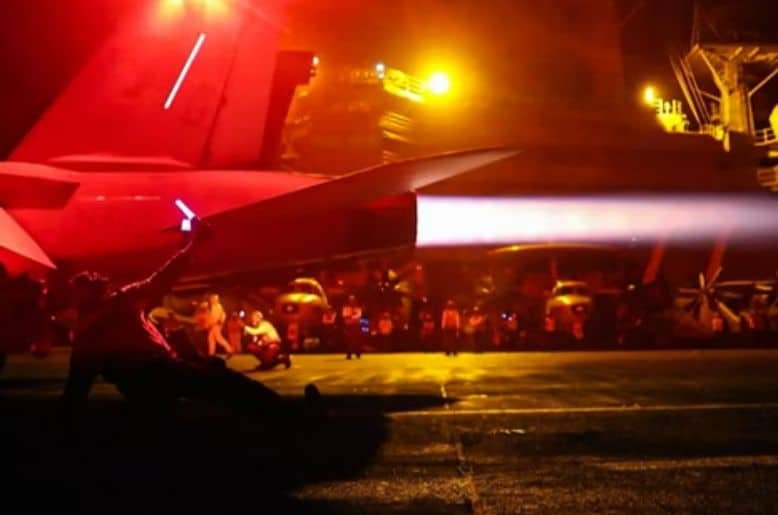
The US Air Force strikes Iran once again, as multiple spots were being hit by the US forces at midnight on July 30.
Tensions between the US and Iran have escalated again, with reports of US airstrikes against Iran and explosions heard in several Iranian cities.
According to a US newspaper, American forces are carrying out air operations against Iran, with the campaign reportedly expected to continue for up to two weeks.
Reports said explosions were heard in several cities, although details about the targets, the extent of the damage and any casualties were not immediately available.
As per the media reports, a high-class US representative said that Israel could potentially join the ongoing US operation against Iran. US officials are reportedly considering further measures based on developments in the region.
The reports have not yet provided a full account of the scale of the strikes or the locations affected.
Read more: Saudi Arabia extends $5bn loan to Pakistan by three years
Oil prices drop to record low as US-Iran talks continue
Global oil prices fell sharply on Tuesday, hitting their lowest levels in more than a week as ongoing diplomatic talks between the United States and Iran eased fears of a wider conflict and potential disruptions to Middle East energy supplies.
Brent crude futures slipped 0.6% to $87.82 a barrel, while U.S. West Texas Intermediate (WTI) crude dropped 0.8% to $81.95. Both benchmark contracts had earlier fallen around 1%, reflecting improving market sentiment.
Investor confidence improved after U.S. President Donald Trump said Washington was holding “good talks” with Iran, raising hopes of a diplomatic breakthrough. However, Trump warned that U.S. military strikes could resume if negotiations fail, while Iran also maintained its stance on possible retaliation.
Market analysts said the prospect of a peaceful resolution has reduced concerns over disruptions to oil shipments through key Middle East trade routes.
Despite the easing tensions, experts cautioned that the situation remains uncertain. Analysts also noted that shipping activity through the Strait of Hormuz and the Red Sea remains below normal levels, with reduced crude exports contributing to market volatility.
Meanwhile, weaker fuel demand, particularly in Asia, has also weighed on oil prices. Preliminary market estimates further suggest that U.S. crude oil inventories declined last week, while distillate fuel stocks likely increased.
Also read: IESCO announces power outage in Islamabad, Rawalpindi on July 30
