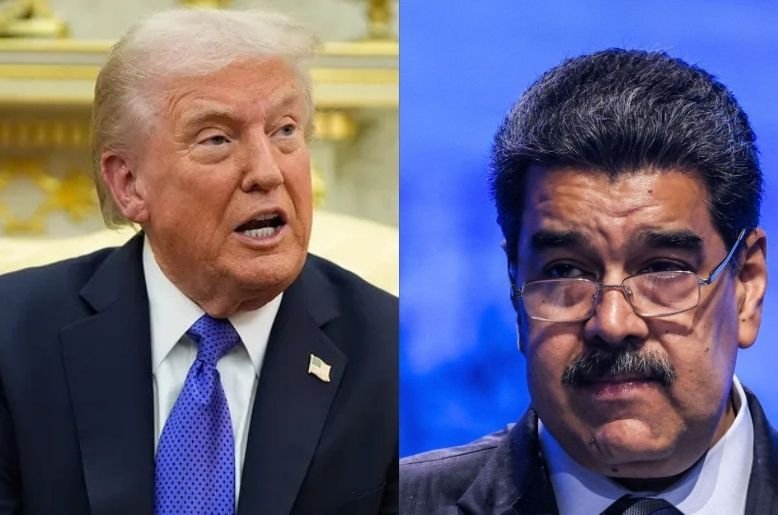
The United States is sending the USS Gerald R. Ford and five destroyers to the US Southern Command region, sharply expanding its military presence as the Trump administration signals possible “land” operations targeting alleged Venezuelan drug networks.
What the Pentagon says about the deployment
Pentagon spokesperson said the larger force will help detect, monitor, and disrupt illicit activity in the Western Hemisphere.
Moreover, the carrier group adds thousands of personnel to an area that already has multiple US warships and Marines on counter-narcotics duty.
Talk of land operations and legal questions
President Donald Trump said the “land is going to be next,” adding he may brief Congress but does not plan to seek a declaration of war.
Whereas, critics in and outside Congress question the legal basis for lethal force abroad without clear authorisations.
Furthermore, the administration has framed the campaign under Article II authority and by labelling targeted groups as terrorists.
Strikes at sea and rising casualty figures
Since early September, US forces have carried out a series of lethal strikes on suspected drug boats in the Caribbean and eastern Pacific. With officials saying at least 37 people have been killed.
Two survivors in a recent incident were treated by US medics and transferred to their home countries.
Rights groups and legal scholars say the operations lack transparency and could violate US and international law.
Caracas reaction and the risk of escalation
Venezuelan President Nicolás Maduro called the deployment an effort to “fabricate” war and warned the armed forces would resist any attempt to topple his government.
Venezuelan officials say air defenses are in place and that the US moves threaten regional stability.
Analysts note a carrier is far more firepower than needed for small-boat interdiction and could enable strikes inside Venezuela, increasing the chance of confrontation.