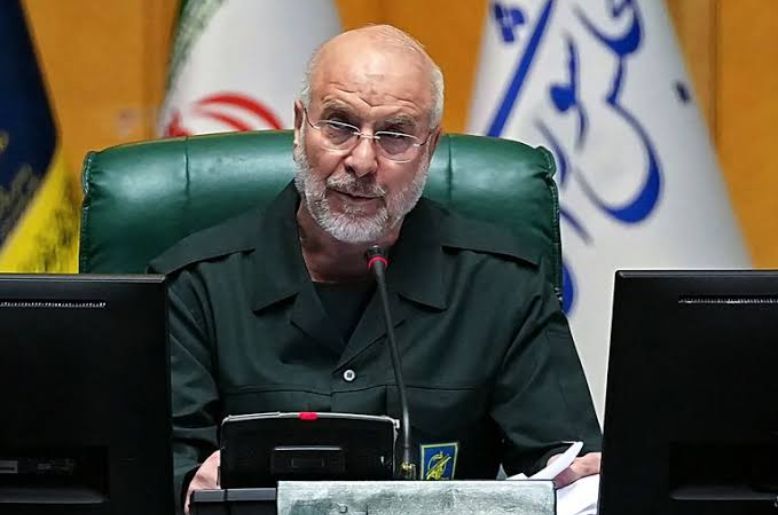
The parliament speaker of Iran, Mohammad Bagher Ghalibaf, has rejected claims about US control over the Strait of Hormuz, arguing that developments in global oil markets do not support Washington’s position.
Ghalibaf said the rise in oil prices suggested that the situation in the region remained unsettled.
In remarks reported by Iranian media, Ghalibaf said oil prices were currently about $35 a barrel higher than they had been before the war.
He questioned how claims about control of the Strait of Hormuz could be reconciled with the continued rise in oil prices.
“If the claims about the Strait of Hormuz are correct,” his remarks suggested, there should also be an explanation for the uncertainty reflected in global energy markets.
Ghalibaf said either global markets were experiencing an unusually high level of uncertainty or the US account did not fully reflect the situation on the ground.
The Iranian parliamentary speaker also criticised what he described as the US “propaganda machine”, accusing it of presenting events differently from the realities on the ground.
His comments come amid heightened tensions over the strategically important waterway, through which a significant share of global energy supplies passes.
The Strait of Hormuz connects the Persian Gulf with the Gulf of Oman and is one of the world’s most important oil and gas shipping routes.
Why the Strait matters?
Any disruption to shipping through the strait can affect energy markets and contribute to higher oil prices, particularly when geopolitical tensions are already elevated.
Iran has repeatedly emphasised the strategic importance of the waterway and warned of the consequences of military escalation in the region.
Ghalibaf’s latest comments focus on the gap he sees between US statements about the Strait of Hormuz and signals coming from international oil markets.
The remarks did not include a detailed response from US officials, nor did they provide further details about the specific American claims concerning control of the strait.
The dispute comes as tensions involving Iran, the United States and the wider region continue to draw international attention because of their potential implications for energy supplies and global markets.
