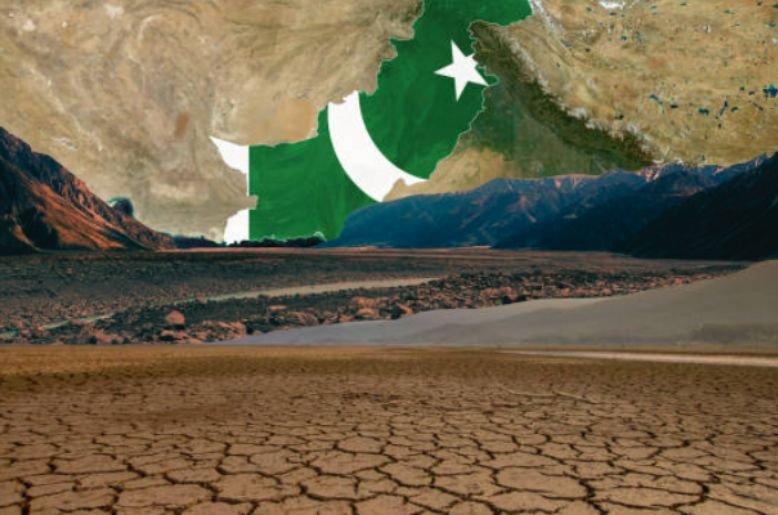
The water crisis in Pakistan has become a serious national issue. Millions of people face water shortages every year. Clean water is no longer easily available in many cities and villages. Rivers are under pressure. Groundwater levels are falling fast.
Pakistan depends heavily on water for farming energy and daily life. When water becomes scarce, every sector suffers. This crisis is not sudden. It is the result of years of poor planning and rising demand.
Understanding the water crisis in Pakistan is necessary for survival. This guide explains the causes of effects and practical solutions in simple words.
Current water situation in Pakistan
Pakistan is now one of the most water stressed countries in the world. Water availability per person has dropped sharply since independence. Rapid population growth has increased demand beyond supply.
Cities face water shortages every summer. Villages depend on wells that are drying up. Many people rely on unsafe water sources. This increases disease and health costs.
Water crisis in Pakistan is no longer a future threat. It is a daily reality.
Major causes of water crisis in Pakistan
Several factors are responsible for the water crisis in Pakistan. Population growth is the biggest cause. More people need more water for drinking and sanitation.
Poor water management has worsened the situation. Large amounts of water are wasted due to old pipelines and leakages. There is little control over groundwater pumping.
Climate change also plays a strong role. Rainfall patterns have become unpredictable. Some areas face floods while others suffer from droughts. Pakistan lacks enough storage to manage these extremes.
Lack of water storage capacity
Pakistan has very limited water storage capacity. The country can store only a small amount of water compared to its needs. Excess rainwater flows into the sea instead of being saved.
Dams and reservoirs are few and outdated. New projects face delays due to political and financial issues. Without storage, water cannot be saved for dry months.
This weakness makes the water crisis in Pakistan more severe every year.
Impact of climate change on water availability
Climate change has increased temperature levels across Pakistan. Higher heat causes faster evaporation from rivers, lakes, and dams. This reduces usable water.
Glaciers in northern regions feed major rivers. Rapid melting changes river flow timing. Water comes too fast for some months and too little during others.
This imbalance creates floods and droughts. Both damage water systems and increase the water crisis in Pakistan.
Agriculture and water stress
Agriculture consumes most of Pakistan’s freshwater. Traditional irrigation methods waste large volumes of water. Flood irrigation remains common.
Major crops require heavy water use. Farmers often grow water intensive crops even in dry areas. This drains groundwater quickly.
Water shortages reduce crop yield. This threatens food security and farmer income. The water crisis in Pakistan directly affects rural livelihoods.
Urban water problems
Cities face serious water supply issues. Rapid urban growth has increased pressure on limited resources. Informal housing areas lack proper water connections.
Water theft and illegal connections are common. This reduces supply to legal users. Poor water quality causes health problems.
Urban water mismanagement adds to the water crisis in Pakistan and affects millions daily.
Economic impact of water crisis
The water crisis in Pakistan damages the economy. Agriculture losses reduce exports and farmer earnings. Industry needs water for production.
Power generation also depends on water. Shortages reduce electricity output. This leads to higher energy costs.
Health expenses rise due to unsafe water. Productivity falls. Economic growth is slowing.
Social and human impact
Water shortages increase in inequality. Poor communities suffer the most. Women and children spend hours collecting water.
Conflicts arise between regions and communities. Water disputes create tension. Migration increases as people leave dry areas.
The water crisis in Pakistan affects dignity safety and quality of life.
Weak policies and governance issues
Pakistan has water policies, but implementation is weak. Rules are not enforced properly. Illegal wells operate freely. Coordination between provinces is poor. Data sharing is limited. Long-term planning is often ignored.
Without strong governance the water crisis in Pakistan cannot be controlled. Read our full coverage on the New canals issue: PM Shehbaz calls high-level meeting today to understand the government’s stance and key decisions under discussion.
Possible solutions for water crisis in Pakistan
Solutions exist but require serious action. Water storage must increase. Both large dams and small reservoirs are needed.
Modern irrigation techniques can save water. Drip irrigation reduces waste. Farmers need incentives to adopt new methods.
Groundwater use must be regulated. Metering and monitoring are essential. Rainwater harvesting should become common in cities.
Public awareness is also important. People must learn to conserve water every day.
Role of Government and institutions
The government must act quickly. Projects should move faster. Policies need enforcement, not paperwork.
Investment in water infrastructure is critical. Technology can improve monitoring and planning.
Education programs can change behavior. The water crisis in Pakistan needs national effort.
Role of citizens and communities
Citizens also have responsibility. Saving water at home makes a difference. Fixing leaks reduces waste.
Communities can manage local water sources. Schools can teach water conservation.
Small actions together can reduce pressure on water systems.
Long term outlook
If no action is taken the water crisis in Pakistan will worsen. Food shortages energy problems and social unrest may increase.
With proper planning Pakistan can still secure its water future. Timely decisions can change outcomes.
Water security is linked to national stability.
Final thoughts
The water crisis in Pakistan is a serious threat. It affects health, economy, food, and peace. Delays will increase damage.
Strong leadership clear policies and public participation can reduce the crisis. Water is life and protecting it is essential.
Ensuring water security is about protecting Pakistan’s future.
Frequently asked questions
What is the main cause of water crisis in Pakistan?
Population growth and poor water management are major causes.
Is climate change affecting water availability?
Yes, rising temperatures and irregular rainfall worsen shortages.
Which sector uses most water in Pakistan?
Agriculture consumes the largest share of freshwater.
Can groundwater solve the water crisis?
Overuse of groundwater increases the problem instead of solving it.
Is water crisis in Pakistan reversible?
Yes, with strong policy action and public cooperation.