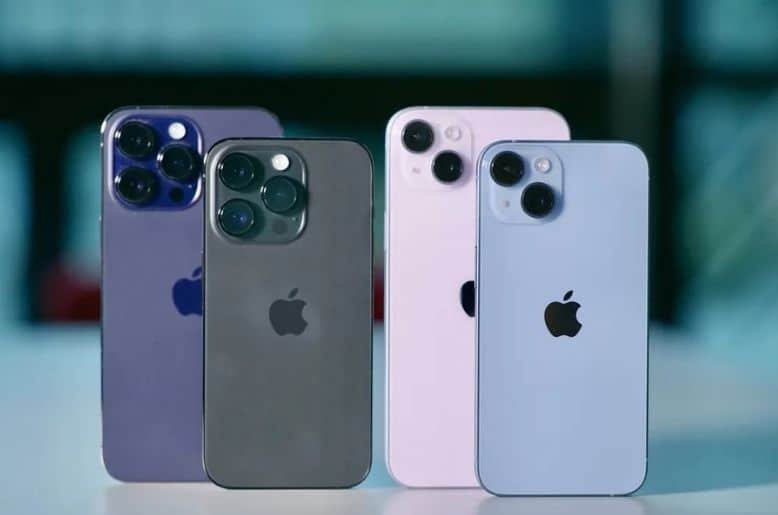
If you are still using a 10- or 11-year-old iPhone, it may be time to consider upgrading, as WhatsApp support for several older Apple devices is set to end later this year.
According to a report by WABetaInfo, WhatsApp will discontinue support for certain older iPhone models from November 30, 2026. As a result, users with unsupported devices will no longer be able to access the messaging platform.
Currently, WhatsApp requires iPhones to run iOS 15.1 or later. However, the company is expected to raise the minimum requirement to iOS 15.5, meaning only devices running iOS 15.5 or newer will be able to use the app going forward.
Users of older models, including the iPhone 6s and newer devices that are still running outdated software, will need to update to iOS 15.5 or a later version to continue using WhatsApp.
While most active iPhones already support iOS 15.5 or newer, a significant number of older devices still operate on earlier software versions, putting them at risk of losing access to the platform.
WhatsApp regularly updates its user interface, security features, and privacy settings, introducing capabilities that are designed to work with the latest versions of Apple’s iOS and Google’s Android operating systems.
In a related development, reports indicate that WhatsApp will also end support for Android devices running versions older than Android 6 on September 8, 2026. After that date, the messaging app will only function on smartphones operating Android 6 or newer.
WhatsApp will now let users identify scams with new feature
Earlier, WhatsApp announced that it is working on a new security feature, called Scam Alert, to assist people with identifying potentially fraudulent messages from contacts they don’t know.
The feature has been seen in WhatsApp beta for Android 2.26.22.4, and is currently being developed.
The new feature works by building on WhatsApp’s existing use of on-device processing, which is already used for voice message transcripts.
Additionally, this system would give voice notes to text directly on the recipient’s phone, and neither WhatsApp nor a third party could get a hold on the content of the voice notes.
