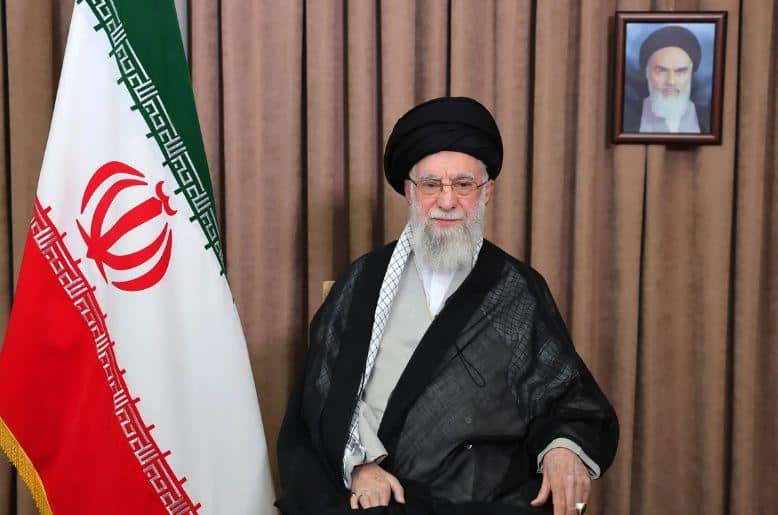
Iran’s Supreme Leader Ayatollah Ali Khamenei was born in 1939 in the holy city of Mashhad Iran into a religious family. After doing his early education he studied Islamic outbreaks and theology in religious seminaries and later stayed attached to major centers of learning in Najaf and Qom.
He was regarded as one of the close disciples of the founder of the Iranian Revolution Ayatollah Ruhollah Khomeini and his ideological training under Khomeini dictated his political direction.
Struggling and imprisonment in the era of the Shah
During the time of the Shah of Iran Khamenei was arrested several times because of his political activities. Through religious gatherings and speeches he openly criticised the monarchy which led to imprisonment and periods of house arrest. After the Islamic revolution of 1979 he was heavily involved in the founding of the new Islamic government and became one of the leading pillars of the revolutionary government.
Attempt to assassinate and presidency
In 1981 he was seriously injured in an assassination attempt that permanently injured his right arm. The same year, he was elected President of Iran and headed the country during the Iran-Iraq War. Amid the war situation he worked on strengthening military and defense strategies.
Following the death of Ayatollah Khomeini in 1989 the Assembly of Experts elected him as the Supreme Leader of Iran. He then moved on to take over the exercise of highest authority in the country and determine Iran’s political and military direction for four decades.
Defence policy and economy Defense
As Supreme Leader he expanded the defense and military policies of Iran. The Islamic Revolutionary Guard Corps (IRGC) was bolstered further along with a central role in the expansion of Iran’s regional influence. During his leadership Iran has followed a policy of the “resistance economy” aimed at supporting self-reliance and developing domestic industry despite western sanctions.
Relations with the west and the nuclear deal
Ayatollah Khamenei held a strong position against the West especially USA. However in 2015 he approved Iran’s nuclear agreement called the Joint Comprehensive Plan of Action or JCPOA. After the United States later withdrew from the deal tensions between Iran and Western countries escalated again bringing further instability in the region.
Four decades of leadership
It is worth noting that his political life was a combination of struggle and power, ideological commitment and regional strategy that shaped the political life of Iran and turned it into a notable power on the world stage.
Also read: Who will lead Iran after Ali Khamenei?