
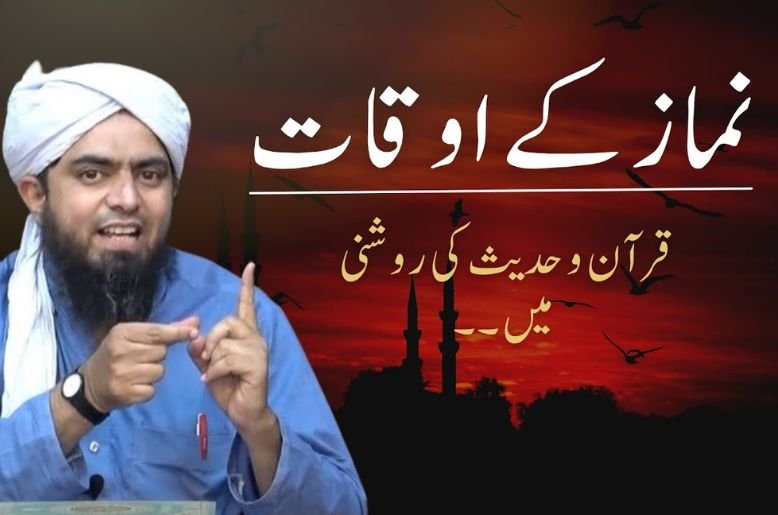
Zohar prayer is one of the five daily prayers in Islam. It is offered in the middle of the day. Many Muslims in Pakistan ask a simple question. What is the correct Zohar namaz time, and how long does it last?
This article explains the Zohar namaz time in very easy words. It helps students, workers, elders, and new learners. You will understand when Zohar starts, when it ends, and why it is important to pray on time.
Zohar namaz is the second obligatory prayer of the day. It is prayed after the sun moves from its highest point in the sky. Zohar includes:
- Four Sunnah before Farz
- Four Farz
- Two Sunnah after Farz
- Two Nafl optional
The Zohar prayer gives peace to the heart. It also reminds Muslims to pause daily work and remember Allah.
Zohar namaz time in Pakistan
In Pakistan, Zohar namaz time usually starts between 12:00 PM and 12:30 PM. The exact time changes daily. It also depends on the city. Zohar time begins when the sun passes its highest position. This moment is called Zawal ending. After Zawal ends, Zohar time begins.
Example of Zohar time in major cities
- Lahore is usually around 12:15 PM
- Karachi usually around 12:30 PM
- Islamabad is usually around 12:10 PM
- Peshawar usually around 12:20 PM
These times change every day. Muslims should check daily prayer timetables in their city.
You can also stay updated with daily prayer schedules after reading our detailed guide on the exact Asar namaz time in Lahore to avoid missing the next prayer.
When does the Zohar namaz time start
Zohar namaz time starts when the sun moves slightly toward the west. This happens after midday. Zohar does not start exactly at 12:00 PM every day. It changes because the sun’s position changes daily. Moreover, there is an Important rule that Zohar prayer is not allowed during the exact Zawal time. Muslims should wait a few minutes after Zawal ends.
When does the Zohar namaz time end
Zohar namaz time ends when Asr prayer time begins. In most Pakistani cities, Zohar ends between 3:30 PM and 4:30 PM, depending on the season. If Asr time starts, Zohar time ends. After that, the Zohar prayer becomes Qaza if not offered.
How long does Zohar namaz time last
Zohar namaz time usually lasts three to four hours. This long duration gives flexibility to people. Office workers, students, and travelers can easily manage Zohar prayer. Best practice is to pray Zohar early when possible. Early prayer brings more reward and peace.
Importance of zohar namaz in islam
The Zohar prayer has great importance. It is mentioned in the Hadith that Allah loves those who pray on time.
Zohar is prayed during busy hours of the day. Leaving work for prayer shows true faith. Benefits of praying the Zohar on time:
- Improves discipline
- Brings mental calm
- Strengthens connection with Allah
- Protects from stress
How many rakats are in Zuhr Namaz
Zuhur Namaz is one of the five daily obligatory prayers in Islam. It is offered after midday and holds great importance in a Muslim’s daily life. Many people ask how many rakats are in Zuhur Namaz and what its types are.
Zuhur prayer includes obligatory rakats as well as Sunnah and Nafl rakats. Each part has its own value and reward. Understanding this structure helps Muslims perform the prayer correctly and with confidence.
Total number of rakats in zuhur namaz
The Zuhur prayer consists of 12 rakats in total. These rakats are divided into four categories. Here is the complete breakdown:
- 4 Sunnah Muakkadah rakats before Farz
- 4 Farz rakats
- 2 Sunnah Muakkadah rakats after Farz
- 2 Nafl rakats
Each of these rakats plays a role in completing the Zuhur prayer properly.
Sunnah muakkadah before farz
Before the Farz rakats of Zuhur, Muslims are encouraged to pray 4 Sunnah Muakkadah rakats. These rakats are highly recommended.
The Prophet Muhammad (PBUH) regularly performed these rakats and emphasized their importance. Performing them shows love for the Sunnah and commitment to Islamic teachings.
These rakats prepare the heart and mind for the Farz prayer. They also increase reward and spiritual focus.
Total rakats before Farz: 4 Sunnah Muakkadah
Farz rakats of zuhur
The 4 Farz rakats are the most important part of Zuhur Namaz. These rakats are obligatory for every adult Muslim. Missing these rakats without a valid reason is a serious matter. Farz rakats complete the obligation commanded by Allah.
Each Farz rakat includes standing, recitation, bowing, and prostration. These actions show humility and submission to Allah. Praying these rakats with concentration and sincerity is essential for spiritual growth.
Total Farz rakats: 4 Farz
Sunnah muakkadah after farz
After completing the Farz rakats, Muslims are encouraged to pray 2 Sunnah Muakkadah rakats. The Prophet Muhammad (PBUH) consistently offered these rakats after Zuhur. They are strongly recommended and carry great rewards.
These rakats help complete the Zuhur prayer and bring peace to the heart. They also serve as a means of earning Allah’s pleasure.
Total rakats after Farz: 2 Sunnah Muakkadah
Nafl rakats after sunnah.
After the Sunnah Muakkadah rakats, Muslims may pray 2 Nafl rakats. These rakats are optional. Nafl rakats are not compulsory. Missing them does not affect the validity of Zuhur Namaz. However, praying to them brings extra reward and spiritual benefit. These rakats allow Muslims to spend more time in worship and strengthen their bond with Allah.
Total Nafl rakats: 2 Nafl
Importance of sunnah and nafl rakats
While Farz rakats are mandatory, Sunnah and Nafl rakats carry many benefits. They complete the prayer and increase the reward. Praying Sunnah Muakkadah regularly reflects obedience to the Prophet’s teachings. Nafl rakats show love and dedication toward Allah.
Benefits of performing extra rakats
Performing Sunnah and Nafl rakats offers many advantages.
- Increased reward for every additional rakat
- Following the practice of Prophet Muhammad (PBUH)
- Protection from spiritual and worldly difficulties
- Stronger connection with Allah
- Greater peace and contentment in daily life
These rakats help strengthen faith and improve discipline in prayer.
Final thoughts
Zuhur Namaz includes both obligatory and recommended rakats. The 4 Farz rakats fulfil the command of Allah. The Sunnah and Nafl rakats provide additional reward and spiritual strength. By praying all 12 rakats, Muslims follow the Sunnah of the Prophet and gain closeness to Allah. May Allah give us the ability to perform every rakat with sincerity, focus, and devotion. Ameen.


