
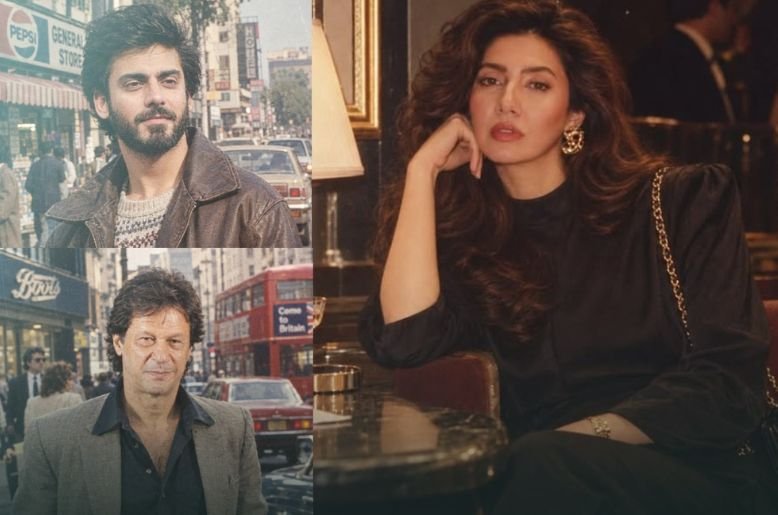
The 1980s AI photo trend viral wave has taken social media by storm, with users turning their modern photographs into realistic throwback portraits inspired by the fashion, hairstyles, lighting and film photography of the 1980s.
Instagram Stories and Reels are currently filled with AI-generated images featuring big hair, retro outfits, grainy film textures, disco lighting and old family-album aesthetics. The 1980s AI photo trend viral craze has also spread to TikTok, with users experimenting with AI tools including ChatGPT and Gemini.
Unlike a simple vintage filter, the trend allows users to completely transform the appearance and setting of a photograph while keeping their recognisable facial features and natural skin tone.
Users upload a photograph and ask the AI tool to recreate it as an authentic 1980s image. The prompt can instruct the AI to change the hairstyle, clothing, background, lighting, colours, photography style and film grain.
What is the 1980s AI photo trend viral on Instagram?
The 1980s AI photo trend viral trend involves using artificial intelligence to reimagine a person’s current photograph as though it had been taken during the 1980s.
Many users are creating studio portraits, family-album photographs, wedding pictures, college photographs and retro street-style images.
The trend has become particularly popular for South Asian users, with many AI-generated photographs featuring Bollywood-inspired styling, traditional clothing and Indian or Pakistani settings.
Instagram’s “Add Yours” sticker has also helped users participate in the trend by sharing their own AI-generated 1980s-style photographs and encouraging followers to do the same.
How to create a 1980s AI photo using ChatGPT
Creating an image inspired by the 1980s AI photo trend viral craze is relatively simple.
Upload a clear photograph to an AI image-generation tool and explain how you want the image transformed. For the most realistic result, ask the tool to preserve your facial identity and skin tone while changing the styling and environment.
You can use prompts such as:
Classic 1980s studio portrait
“Transform my uploaded photo into a realistic 1980s studio portrait. Keep my facial features, identity and natural skin tone recognisable. Give me an authentic 1980s hairstyle and outfit, with a simple studio backdrop and soft portrait lighting. Add subtle analogue film grain, slightly muted colours and natural photographic imperfections. Make it look like a genuine photograph taken in the 1980s rather than a modern digital image.”
1980s family album photo
“Turn my uploaded photo into a candid 1980s family album photograph. Preserve my facial features, identity and natural skin tone. Change my hairstyle and clothing to match the 1980s and place me in a realistic home or garden setting. Add faded colours, soft focus, natural lighting and visible analogue film grain, as if the photograph had been printed decades ago.”
Retro disco portrait
“Recreate my uploaded photograph as an authentic 1980s disco-era portrait. Keep my recognisable facial features and natural skin tone. Add big teased hair, a retro outfit, bold styling and colourful stage lighting. Use a slightly overexposed analogue film look with realistic grain and imperfections. Make it look like a genuine party photograph from the 1980s.”
Vintage South Asian 1980s portrait
“Transform my uploaded photo into an authentic South Asian 1980s portrait. Keep my facial features, identity and natural skin tone recognisable. Change my clothing, hairstyle and styling to reflect the fashion of the 1980s. Use a realistic period setting and remove modern objects. Add analogue film grain, warm tones, natural shadows and slightly faded colours.”
Why is the 1980s AI photo trend going viral?
The popularity of the 1980s AI photo trend appears to be driven by nostalgia and the ability of generative AI to create images that look far more detailed than traditional photo filters.
The trend allows users to imagine themselves, their friends or celebrities in a completely different era without needing professional photography equipment or editing skills.
For many South Asian users, the appeal also comes from recreating familiar family-album and cinema aesthetics associated with the 1980s.
How is it different from a vintage photo filter?
A conventional vintage filter usually changes elements such as colour, contrast, brightness and grain while leaving the original photograph largely unchanged.
The 1980s AI photo trend viral format goes much further.
AI can generate a new hairstyle, replace clothing, change the background, introduce period-specific objects and alter the lighting and overall photographic composition.
This means the final result can look like an entirely new photograph from the 1980s rather than a modern image with an old-fashioned filter.
Pakistani celebrities join the trend
The 1980s AI photo trend viral craze has also attracted Pakistani celebrities and entertainment personalities.
Saboor Aly, Yasir Hussain and several other Pakistani celebrities have shared AI-generated photographs inspired by the 1980s.
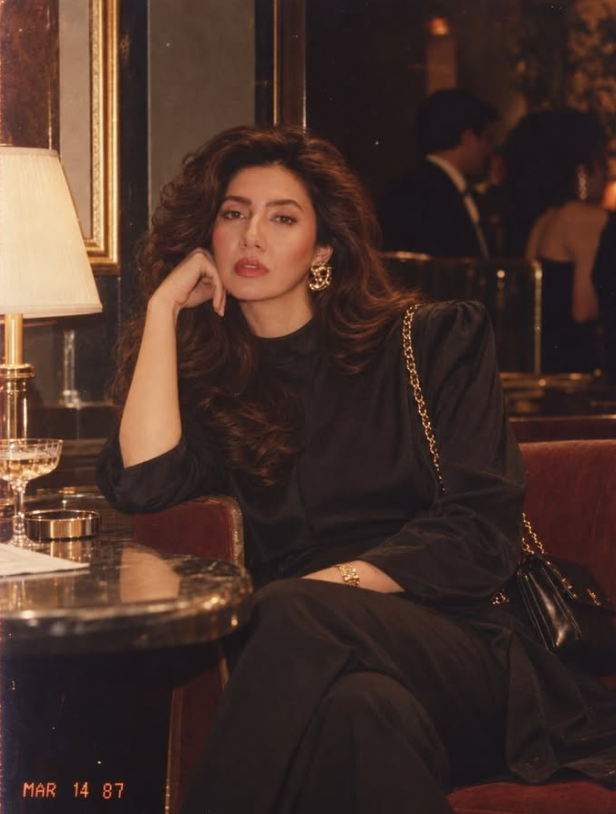
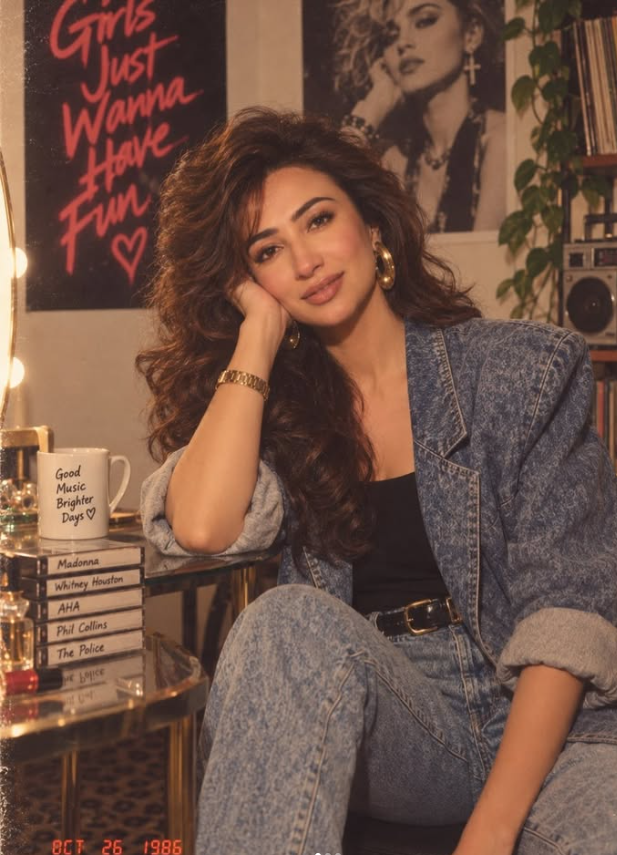
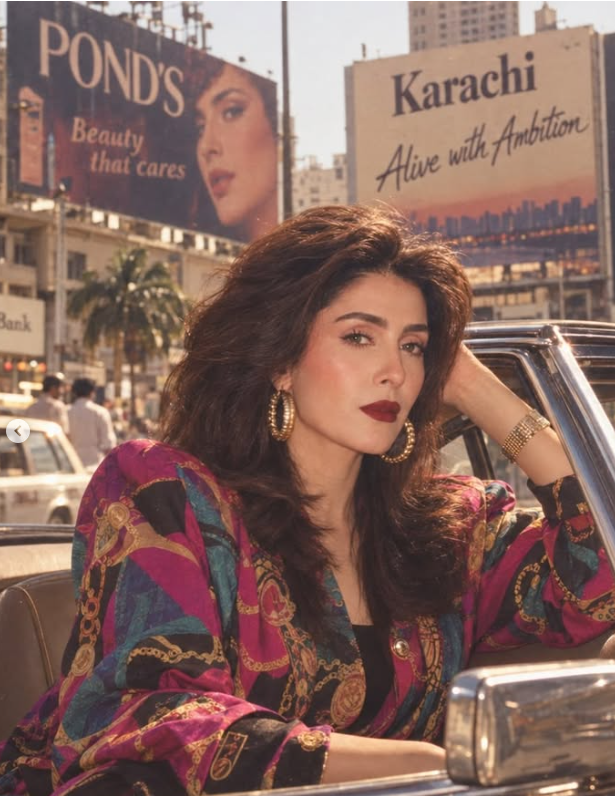
Entertainment platform Mashion also joined the trend, sharing AI-generated versions of Pakistani actresses including Mahira Khan, Mawra Hocane, Ayeza Khan, Anmol Baloch, Sanam Saeed, Aina Asif and Zara Noor Abbas.
Yasir Hussain shared AI-generated images, including one featuring himself and his wife Iqra Aziz, while Saboor Aly posted an AI-generated image featuring Ali Ansari on her Instagram Story.
Other Pakistani celebrities who participated included Shahroz Sabzwari, Mariyam Nafees, Anoushey Ashraf, Zhalay Sarhadi, Noor Hassan, Nimra Khan and Armeena Khan.


Why is the trend facing criticism?
Despite the popularity of the 1980s AI photo trend viral craze, some social media users have raised concerns about privacy, consent, deepfakes and the use of personal photographs to train or improve AI systems.
Digital rights activist Usama Khilji also criticised the trend, warning users against freely sharing their facial images with AI platforms.
The debate highlights a wider concern surrounding AI-generated content: users may enjoy creating harmless-looking photographs while remaining uncertain about how their images and biometric information are processed or stored.
Not everyone is using AI for the trend
While thousands of people are generating new 1980s-style images with AI, some users have chosen to share genuine photographs from the decade instead.
Strings musician Bilal Maqsood responded to the trend by posting an actual throwback photograph from his band’s earlier years, joking about people using AI to recreate the 1980s while those who lived through the era already have their own photo albums.
What should users consider before joining the trend?
The 1980s AI photo trend viral craze may be fun, but users should think about privacy before uploading personal photographs to any AI platform.
Avoid uploading sensitive photographs or images containing other people without their permission. Users should also review the privacy policies and settings of the AI service they choose.
As AI-generated images become increasingly realistic, the line between genuine photographs and synthetic images is becoming harder to recognise.

