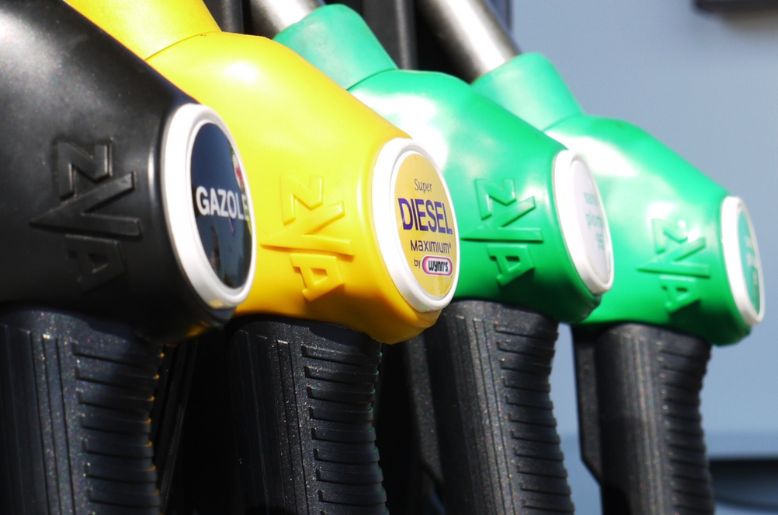
The new prices for petrol and diesel have been announced in Pakistan for August 4, 2026. The price of petrol has been set at Rs331.95 per litre, and the price of diesel has been set at Rs389.93 per litre.
The price of petrol has been decreased by Rs4.80 per litre, and the price of diesel has been decreased by Rs2.45 per litre, according to the notification. The notification also states that the new prices of petrol and diesel will be effective from August 4.
Before this, the price of petrol had been reduced by Rs0.12 per litre. The price of high-speed diesel had been reduced by Rs0.66 per litre.
The new price of petrol had been fixed at Rs336.03 per litre. Similarly, the price of diesel had been fixed at Rs392.38 per litre.
Petroleum sales rise 23 per cent
Pakistan’s petroleum product sales have increased strongly in July 2026. According to reports, the higher demand for fuel, lower prices and better economic activity have helped boost sales across the country.
According to a report by Arif Habib Limited (AHL), total petroleum sales reached 1.51 million tonnes in July.
The report said that lower fuel prices, better farming activity and higher demand from consumers and the transport sector were the main reasons for the increase in it.
Excluding furnace oil, oil marketing companies recorded an 18.5 per cent increase in sales in comparison with July last year. It was the strongest July performance since 2021.
Petrol sales rose by 23 per cent to 730,000 tonnes. High-speed diesel sales also increased by 19 per cent to 620,000 tonnes as transport and farming activities improved.
Furnace oil sales saw the biggest increase, as per the details. Sales jumped by 406 per cent to 80,000 tonnes. AHL said this was mainly because more furnace oil was used to produce electricity.
Sales also increased compared with June. Total petroleum sales were up by 20 per cent after fuel prices fell because of lower global oil prices.
Compared with June, petrol sales increased by 12 per cent and diesel sales rose by 25 per cent. Furnace oil sales also climbed by 89 per cent because of higher electricity demand during the summer.
