
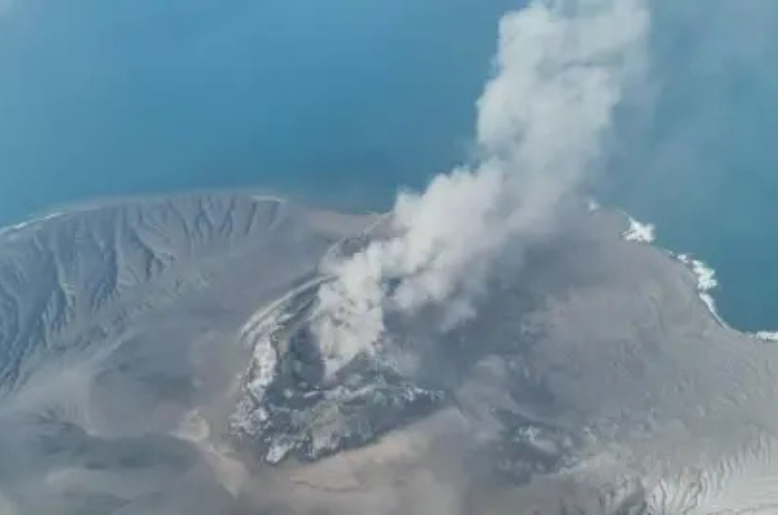
Indonesia’s Anak Krakatau volcano erupted again in September 2026. The eruption sent volcanic ash across parts of western Indonesia. It also caused major disruption to air travel. The volcano sits in the Sunda Strait between Java and Sumatra. Anak Krakatau formed inside the caldera left by the massive 1883 Krakatau eruption. It has remained active since the 1920s.
Anak Krakatau volcano eruption disrupts air travel
The latest activity began late Friday, September 4, according to reports. Further eruptions continued through the weekend. Volcanic ash reached high altitudes during the activity. Some ash plumes rose as high as 50,000 feet on the Sumatra side. The ash affected airspace across western Indonesia. Several airports suspended operations because of safety concerns. By Monday, seven Indonesian airports remained closed because of volcanic ash. More than 2,300 flights had been delayed or disrupted. The disruption affected more than 270,000 travelers. Soekarno-Hatta International Airport in Jakarta was among the affected airports. Airlines also canceled or changed several domestic and international services.
Eruption affects schools and local activities
The ash also affected daily life in several areas. Authorities advised residents to remain cautious and use masks. Schools in some affected provinces shifted to remote learning. The move aimed to reduce exposure to volcanic ash. Fishing activities were also affected in some locations. Ash can cause irritation and create breathing problems for exposed people. Authorities continued monitoring the volcano closely. Officials also maintained safety restrictions around the active area.
No immediate tsunami threat reported
Anak Krakatau has a serious history of tsunami-related hazards. Its 2018 eruption caused a deadly tsunami after a volcanic flank collapsed. That disaster killed more than 400 people. It remains one of the most important events in the volcano’s recent history. However, authorities have not reported an immediate tsunami threat from the current activity. Experts are monitoring the volcano for changes that could create additional hazards. The current situation differs from the events of 2018. Authorities are watching for ashfall, lava flows and volcanic material.
Why Anak Krakatau remains closely monitored
Anak Krakatau is a frequently active volcano. The Smithsonian Global Volcanism Program records repeated eruptions since 1927. The volcano is also located in a highly active geological region. Indonesia sits along the Pacific Ring of Fire. The region experiences frequent earthquakes and volcanic eruptions. The latest Anak Krakatau volcano eruption has again highlighted these risks. It also shows how volcanic activity can affect transportation far from the volcano. Airports may close when ash enters flight paths. Volcanic ash can damage aircraft engines and reduce visibility. Officials therefore continue to track ash movement and volcanic activity. They also provide safety guidance to communities and travelers.
What happens next?
The eruption has eased after a period of strong activity. However, authorities continue to warn that further eruptions remain possible. Residents near affected areas should follow official safety instructions. Travelers should also check flight information before heading to airports. The Anak Krakatau volcano eruption remains under close observation. Authorities are assessing the volcano while monitoring ash, seismic activity and other hazards. The situation can change quickly when an active volcano is erupting. Continued monitoring will help officials respond to any new developments.
Read more about the magnitude of recent earthquakes in Indonesia and their impact.
