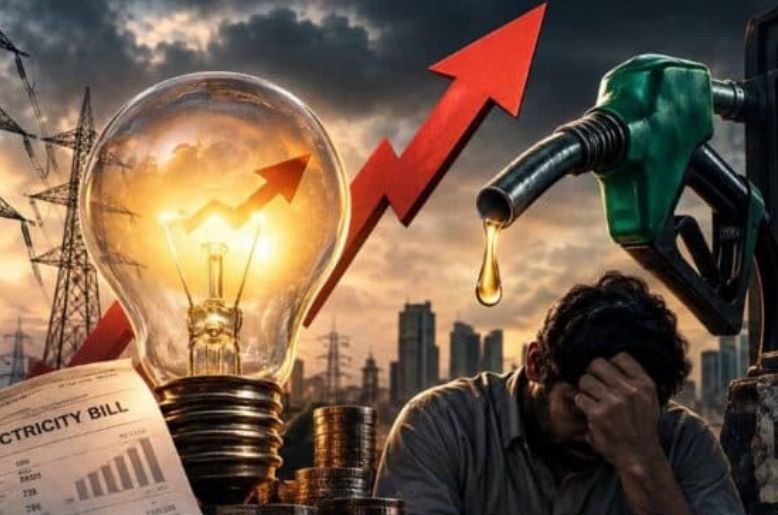
A nationwide public survey has revealed a significant mismatch between citizens’ concerns and the priorities of the state, with rising fuel and electricity prices, national debt and drug abuse emerging among the major issues.
The survey, described as Pakistan’s first public survey aimed at assessing the gap between public needs and resource allocation, covered more than 5,000 respondents from all four provinces.
The sample included people from both rural and urban areas and represented different age groups, genders and income levels.
According to the findings, a vast majority of respondents identified rising fuel and electricity prices as the foremost problem facing the country.
Rising national debt was also identified as a serious concern by a significant percentage of respondents, while another notable share described widespread drug addiction as the country’s biggest national concern.
The survey also found differing views across age groups on the regulation of social media and the internet.
A majority of respondents believed the unregulated use of social media and the internet was contributing to moral decline in society. More than 30-year-old respondents largely supported stricter controls, while younger respondents appeared more opposed to restrictions on social media use.
The survey also challenged common perceptions about bribery. Only 18% of respondents said they had been asked to pay a bribe, while 78% reported that they had never encountered a bribery-related situation.
The findings also showed that the public expressed confidence in the Federal Investigation Agency (FIA) and National Accountability Bureau (NAB) in dealing with cases of corruption.
Meanwhile, a majority of respondents viewed the role and reports of international non-governmental organisations (INGOs) with suspicion, considering them inconsistent with facts.
The survey highlights a clear contrast between public expectations and government priorities and provides insight into how citizens across Pakistan view the country’s economic, social and governance challenges.
