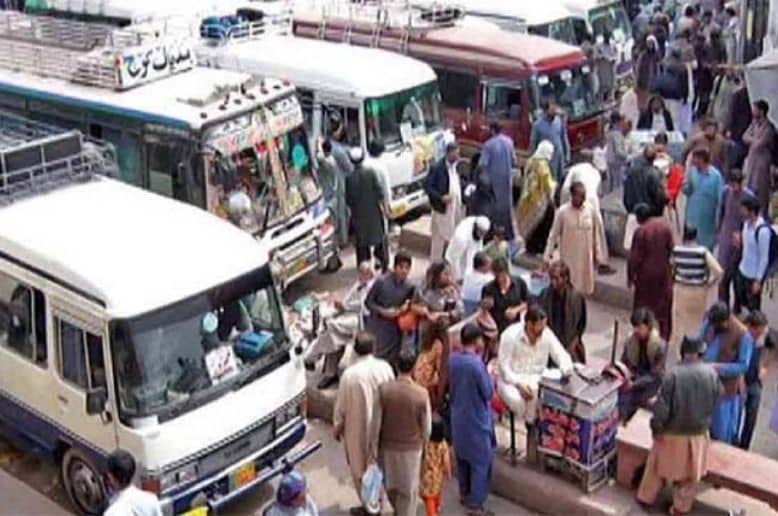
Rising prices for petroleum products have led to rising transport fares, which were already putting a strain on commuters as costs rise.
The price of local public transport from one stop to another in Lahore has been raised from Rs50 to Rs60, which makes commuting every day much more costly for people who are dependent on local public transport like buses.
It is also being felt on intercity routes. The price of a fare from Lahore to Islamabad has risen from Rs2,600 to Rs3,000, thus a person would be paying Rs400 extra for the trip.
Fuel price adjustments have added to the pressures on transport operators and resulted in the new fare increases.
One of the major operating costs of buses, coaches and other commercial vehicles is fuel and rising fuel prices frequently push up passenger fares.
The surging oil prices in the global market have also contributed to the stress on oil markets. Middle East conflicts and recent tensions have led to a lack of certain energy supplies and shipping routes, and it has been unclear whether global oil supply will be affected.
Crude oil is a global commodity and geopolitical tensions in the region can increase the price of global crude oil, which can in turn influence fuel prices in the region, including in Pakistan.
Pakistan is highly dependent on the import of petroleum products and fluctuations in international oil prices, exchange rates and fluctuations in domestic pricing can affect consumer fuel prices.
But for commuters, the effect is much more straightforward: higher prices for regular trips.
This is not only going to make even short trips in Lahore more expensive, but it will also make it hugely expensive for passengers switching from Lahore to Islamabad.
Fuel prices continue to be tied closely to international market prices, so additional adjustments in transportation costs may be linked to the price of oil on the international market in the coming weeks.