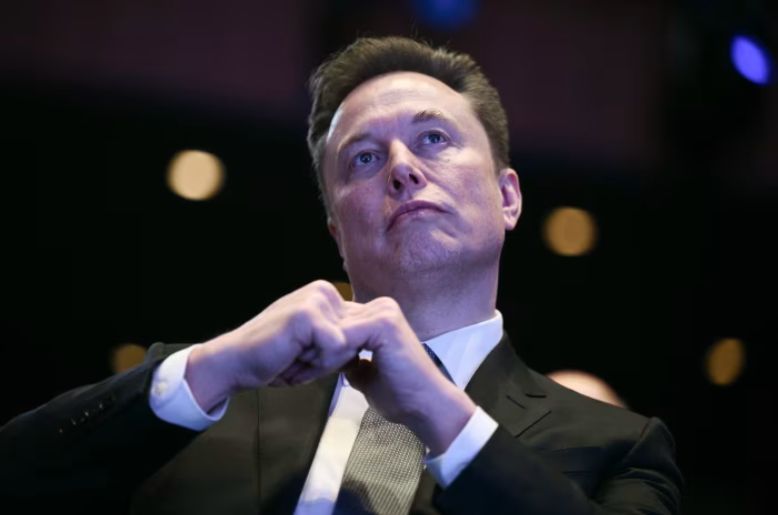
Elon Musk is pushing forward with an ambitious plan to build a massive semiconductor manufacturing complex in Texas. The project, called Terafab, brings together Tesla and SpaceX to produce advanced chips for artificial intelligence, robots, and future space technology. On October 12, 2026, Musk encouraged people to join the Terafab project. He said its future output could rank among the world’s top 20 national economies by gross domestic product (GDP).
The statement highlights the scale of Musk’s ambitions. Instead of depending entirely on outside chip suppliers, his companies want greater control over the technology powering their future products. For readers in Pakistan, this development matters because AI chips are becoming essential to the global technology industry. The project could also affect semiconductor competition, robotics, space computing, and future demand for skilled engineers.
What Is SpaceX and Why Is Terafab Important?
SpaceX is a US-based aerospace company founded by Elon Musk in 2002. It develops rockets, spacecraft, and satellite internet technology through its Starlink network. The company has played a major role in commercial spaceflight. Its Falcon 9 rockets can return to Earth and fly again, helping reduce launch costs. However, SpaceX now has ambitions beyond rockets and satellites. Its plans increasingly depend on artificial intelligence, advanced computing, and powerful processors. Terafab is part of this broader strategy. The project aims to bring important stages of semiconductor production under one roof. These stages include chip design, manufacturing, testing, and advanced packaging.
Tesla also needs powerful chips for its electric vehicles, self-driving technology, and Optimus humanoid robots. SpaceX expects to need them for spacecraft and future orbital computing systems. By working together, the two companies hope to build a more reliable supply of advanced chips.
Elon Musk Says Terafab Could Rival Major National Economies
Musk’s latest statement focuses on Terafab’s potential economic output. He said the project’s value could eventually rank among the top 20 national GDPs. This is a major claim, but it needs careful interpretation. GDP measures the total value of goods and services produced within a country over a period, usually one year. A company’s output is not automatically equal to national GDP. The comparison also depends on how the output is measured. Musk’s statement describes a future ambition rather than a confirmed economic result. Terafab has not yet demonstrated production at this scale.
The difference between a target and an achieved result is important. Semiconductor factories require large investments, skilled workers, advanced equipment, and years of technical development. If Terafab reaches its goals, it could become a major part of the semiconductor supply chain. However, its actual economic contribution will depend on production capacity, chip prices, demand, and operating costs.
Where Will the Terafab Chip Factory Be Built?
The planned Terafab complex is located in Grimes County, Texas. Tesla and SpaceX have selected the site for their large semiconductor manufacturing project. According to Texas state officials, the first phase represents more than $16.8 billion in investment. It is also expected to create around 3,000 jobs. The state has awarded SpaceX a $30 million Texas Enterprise Fund grant to support the project. These figures show the scale of the planned investment, although they do not mean the entire facility is already operating.
The location could benefit from Texas’s industrial base, infrastructure, and access to technical workers. The state also hosts major operations linked to Tesla and SpaceX. However, building such a facility will require more than land and money. The project will need reliable electricity, water, clean-room systems, specialist equipment, and a strong supply chain. Semiconductor manufacturing is particularly demanding because tiny defects can affect chip performance. Maintaining consistent quality across large production volumes will be a major challenge.
How Terafab Could Supply Chips for Tesla and SpaceX
Terafab is designed to support several technologies across Musk’s companies. These include AI systems, autonomous vehicles, humanoid robots, and spacecraft. The plan could reduce the companies’ dependence on external suppliers. It could also help them design chips for their own needs instead of relying only on commercially available processors.
1. Artificial Intelligence and Computing
AI systems need powerful processors to train models and run complex tasks. As AI becomes more advanced, demand for computing capacity continues to increase. Tesla and SpaceX expect their future products to require large amounts of computing power. Terafab aims to help meet that demand through large-scale chip production. The companies have described a target of producing more than one terawatt of AI computing capacity annually. This is an ambitious goal, not a confirmed current production figure.
2. Tesla Optimus Humanoid Robots
Tesla is developing Optimus, a humanoid robot designed to perform physical tasks. Such robots need processors to interpret sensor data, understand their surroundings, and control their movements. They also need efficient computing systems that can operate within limits on power and heat. Terafab could help Tesla develop chips designed specifically for these functions.
If the company eventually produces robots at a large scale, access to suitable processors could become a major advantage. However, chip supply alone will not guarantee that the robots become affordable or commercially successful.
3. Self-Driving Cars and Cybercabs
Tesla also needs advanced processors for its self-driving ambitions and Cybercab vehicles. These systems must process information from cameras and other sensors. They must then make decisions quickly enough to respond to changing road conditions. Custom chips could help Tesla improve performance and manage energy use. They may also allow the company to update its hardware more closely around its software needs.
Still, safe autonomous driving requires reliable software, extensive testing, and regulatory approval. Manufacturing more chips does not automatically solve those challenges.
4. Spacecraft and Orbital Data Centers
SpaceX expects to use Terafab chips for future spacecraft and orbital computing systems. Space-based data centers could process information in orbit rather than relying entirely on ground-based facilities. However, this concept faces major technical challenges, including heat removal, radiation protection, launch costs, and maintenance. SpaceX’s expected demand could be significant if these plans develop. Musk has estimated that around 75% of Terafab’s eventual AI computing output could support SpaceX spacecraft. The remaining 25% could go to Tesla’s Optimus robots. These figures reflect Musk’s estimates, not a confirmed allocation of chips already being produced.
Intel and TSMC Could Play Important Roles
Terafab’s success will depend partly on technical expertise from the semiconductor industry. Intel joined the project in April 2026, bringing experience in chip design, fabrication, and packaging. These skills are important because semiconductor production involves many complex stages. Musk has also indicated that Taiwan Semiconductor Manufacturing Company (TSMC) could potentially lease part of the site. This would not necessarily mean TSMC would become a co-owner of the entire project.
This approach could allow Tesla and SpaceX to retain control while working with experienced industry partners. However, chip manufacturing is difficult even for established companies. Advanced factories require specialised equipment, precise processes, and continuous quality control. Terafab will need to prove that its manufacturing methods can deliver reliable chips at the planned scale. Industry partnerships may help, but they cannot remove every technical risk.
Why Does Terafab Matter for the Global Chip Industry?
The semiconductor industry supports smartphones, computers, vehicles, data centers, and many other products. Advanced chips have become especially important as companies invest in AI. This demand has increased pressure on manufacturers to expand production and improve efficiency. Terafab could add another major source of chip capacity if it meets its goals. It could also encourage other companies to invest more heavily in custom processors and manufacturing. One potential benefit is greater supply control. Companies that depend on a small number of suppliers can face delays when demand rises or production problems occur.
A dedicated manufacturing complex could give Tesla and SpaceX more direct control over their chip requirements. However, building a factory does not guarantee cheaper chips. The project must reach high production volumes and maintain strong yields to compete with established manufacturers. Its effect on the wider industry will depend on the types of chips it produces, the cost of manufacturing, and whether other customers can access its capacity.
What Could Terafab Mean for Pakistan?
Pakistan does not currently compete with the world’s leading economies in advanced semiconductor manufacturing. However, developments like Terafab offer useful lessons for the country’s technology sector.
Growing Demand for AI Skills
Pakistan’s software developers, engineers, and technology students could benefit from growing demand for AI-related skills. Chip manufacturing is highly specialised, but the wider industry also needs software engineers, AI developers, data specialists, and embedded systems professionals. Learning these skills could help Pakistani professionals access opportunities in international technology companies.
Opportunities in Software and Robotics
Advanced chips support robotics, automation, smart devices, and AI applications. Pakistani startups could build software products that use these technologies without manufacturing the processors themselves. This could include industrial automation, agricultural monitoring, logistics, and business tools. For local companies, the immediate opportunity may lie in developing useful applications rather than attempting to build a semiconductor factory.
The Importance of Long-Term Investment
Terafab also shows how expensive advanced technology development can be. Pakistan would need sustained investment in education, research, electricity infrastructure, and industrial development to build a stronger semiconductor ecosystem. Universities and businesses could begin with chip design education, embedded systems, and electronics research. These areas can help develop technical expertise before attempting more expensive manufacturing projects.
The lesson is that countries can participate in the global chip industry in different ways. Manufacturing is one path, but design, software, testing, and specialised services also offer opportunities.
What Are the Biggest Challenges Facing Terafab?
Despite its ambitions, Terafab faces several important challenges.
High Construction and Equipment Costs
Advanced semiconductor factories require specialised machinery and tightly controlled environments. Building the facility is only one part of the cost. The company must also pay for maintenance, energy, skilled workers, and continuous process improvements.
Manufacturing Complexity
Producing advanced chips requires precise control over many manufacturing steps. Even small errors can reduce the number of usable chips produced from each silicon wafer. Terafab must prove that its manufacturing processes can reach the required quality and output levels.
Strong Competition
Established semiconductor manufacturers have decades of experience. They also have existing customers, research teams, and advanced production systems. Terafab will need to compete on performance, cost, reliability, or specialised chip designs.
Uncertain Demand and Timelines
AI demand is growing, but future demand can change. Technology advances may also make some chip designs less useful over time. If construction or production takes longer than expected, the project could face higher costs. Its commercial success will depend on whether its chips are ready when customers need them.
What Happens Next for SpaceX and Terafab?
Musk’s latest recruitment message shows that Terafab remains an active priority for Tesla and SpaceX. The next important developments will include construction progress, manufacturing plans, hiring, and technical partnerships. The companies will also need to demonstrate that their facility can produce chips reliably at scale. For now, the proposed output ranking among the world’s largest national economies remains a future ambition. It should not be treated as a measure of Terafab’s current economic contribution.
The most important milestone will be whether the project can turn its ambitious plans into reliable, large-scale chip production. If it succeeds, Terafab could strengthen Musk’s AI, robotics, and space businesses. If it faces delays or high costs, its economic impact could be much smaller than expected.
Conclusion
SpaceX and Tesla’s Terafab project represents an ambitious attempt to connect semiconductor manufacturing with AI, robotics, and space technology. Musk believes the facility’s future output could reach a scale comparable to that of major national economies. The planned investment and expected job creation already show its potential importance to Texas. However, the project still needs to prove that it can deliver its goals. Construction, manufacturing complexity, competition, and costs will shape its final outcome.
For Pakistan, the story highlights the growing value of AI skills, electronics knowledge, and software development. These fields offer practical ways to participate in the expanding global technology economy.
Google and SpaceX Are in Talks to Build a Space Data Center in Orbit.
FAQs
Q. What is SpaceX?
SpaceX is an aerospace company founded by Elon Musk in 2002. It develops rockets, spacecraft, and Starlink satellite internet services.
Q. What is the Terafab project?
Terafab is a planned semiconductor manufacturing complex backed by Tesla and SpaceX. It aims to produce chips for AI, robots, vehicles, and space computing.
Q. Where will Terafab be built?
The planned facility is in Grimes County, Texas, in the United States.
Q. Why does Elon Musk want to build Terafab?
Musk wants greater control over the supply of advanced chips needed for Tesla’s AI and robotics products and SpaceX’s future computing systems.
Q. Could Terafab become one of the world’s largest economic projects?
Musk says its future output could rank among the top 20 national GDPs. This remains an ambition, and the project must prove its production capacity.