
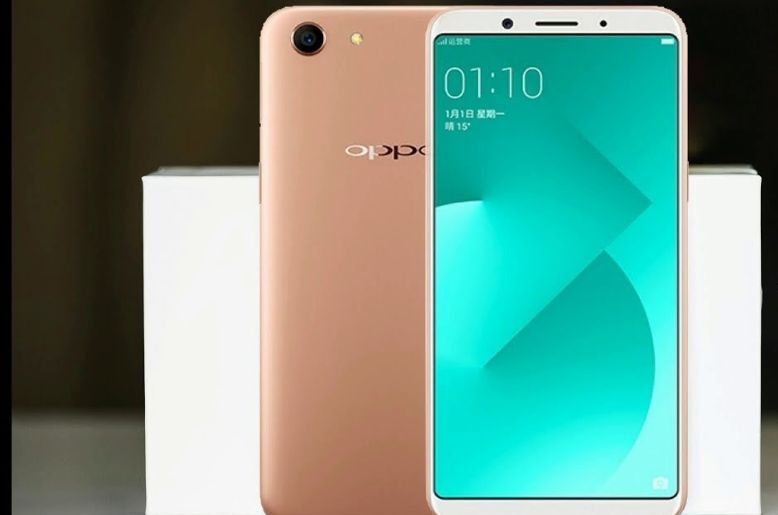
The Oppo A83 is a budget-friendly smartphone that arrived to offer a smooth balance of style, cameras and everyday performance.
Designed for users who want a modern full-screen look without splashing on a flagship, the Oppo A83 brings a 5.7-inch HD+ display, face unlock, and a simple camera system tuned for bright, shareable photos.
Below, we will walk through the A83’s key specs, real-world strengths and weaknesses, and whether it still makes sense for buyers looking for a low-cost, dependable phone.
Quick Overview: What the Oppo A83 Offers
The Oppo A83 was launched in late 2017 as an affordable mid-range model, focusing on aesthetics and selfie features. It sports a 5.7-inch HD+ 1440×720 full-screen display, a MediaTek Helio P23, MT6763T octa-core processor, options for 3GB or 4GB RAM with 32GB internal storage, expandable on some variants, and a 3180 mAh battery.
Oppo emphasised its AI-enhanced selfie mode and fast facial unlock feature, rather than a fingerprint scanner, on some models. These design choices make the phone feel modern while keeping costs low.
Design & Display: Simple, Modern and Lightweight
The Oppo A83 has a slim, compact body (about 150.5 × 73.1 × 7.7 mm) and weighs roughly 143 g, which makes it comfortable for one-handed use. The 5.7-inch IPS LCD panel uses the 18:9 “full-screen” ratio with a 720×1440 resolution, giving sharper vertical space for web pages and social feeds than older 16:9 phones.
The glass and metal-style finish looks premium for the price and comes in classic colours like black and gold. If you want a large, super-sharp display for 4K video or heavy gaming, the A83’s HD+ panel is modest, but it’s bright and colour-accurate enough for daily browsing and video.
Design highlights
- Slim bezel, 18:9 aspect ratio.
- Lightweight body (~143 g) for comfortable handling.
- No rear fingerprint on some SKUs, Oppo pushed Face Unlock instead.
Performance: everyday tasks done well
Under the hood, the Oppo A83 runs a MediaTek Helio P23 (2.5 GHz octa-core) processor. Paired with 3GB or 4GB of RAM, the phone handles browsing, social apps, video playback and light gaming smoothly.
It is not built for demanding 3D titles at high settings, but for most users, the performance is snappy and reliable, apps open quickly and multitasking for a few apps works fine. Storage is typically 32GB; if you keep many photos or offline media, you will likely want a microSD card.
Cameras: good selfies, decent rear shots
Oppo positioned the A83 as a selfie-friendly phone. It includes an 8MP front camera with Oppo’s AI Beauty Recognition (tuned to refine facial features) and a 13MP rear camera with LED flash.
In daylight, the rear camera produces sharp, pleasant images with good contrast; low-light shots are less impressive than you expected at this price. The selfie camera is a highlight for social users; the beautify and AI tuning make portraits look polished without much manual editing.
If mobile photography is a priority, you will get solid everyday results but not flagship-level dynamic range or low-light performance.
Battery life & charging
The A83 carries a battery in the ~3180 mAh range. For moderate use, the phone usually lasts a full day; heavy users may need a top-up before bedtime. The phone was not marketed with the fastest charging tech available then, so charging times are average; plan for standard overnight or evening top-ups.
Software & special features
When launched, the Oppo A83 ran ColorOS with extra camera modes, beauty filters and Face Unlock. ColorOS offers many visual and customisation features, but may include preinstalled apps and Oppo-specific settings that differ from stock Android. Face Unlock worked fast on the A83 and became a key selling point where fingerprint sensors were omitted.
Price & availability
At launch, the Oppo A83 was positioned as a sub-midrange device and carried budget prices in different markets. In countries such as Pakistan, it debuted around ~Rs. 22,000. Today, the A83 is discontinued as a current model but remains available in second-hand markets and some online shops. Prices today can be much lower for used units.
If you want a brand-new phone with modern specs, look at the current Oppo A-series or budget phones; if you want a cheap used phone for calls, basic apps and selfies, the A83 can still be a sensible value pick.
Pros & Cons
Pros
- Attractive full-screen design and lightweight.
- Solid selfie camera with AI beautification.
- Reliable everyday performance for basic tasks.
Cons
- HD+ display (not Full HD) for power users.
- Limited storage on base models and average battery capacity.
- Launched with an older Android/ColorOS version and is now discontinued.
Conclusion
The Oppo A83 is a smart pick for buyers who value style, selfie performance and an easy, comfortable phone for daily tasks without a high price tag. While it would not satisfy power users who need top-tier gaming, storage or low-light photography, the balanced hardware, i.e., Helio chip, 3–4GB RAM, 13MP/8MP cameras and light, full-screen design made it a very sensible budget option at launch, and a reasonable second-hand choice today.
Read Also: How to Buy a Used Mobile Phone Safely