
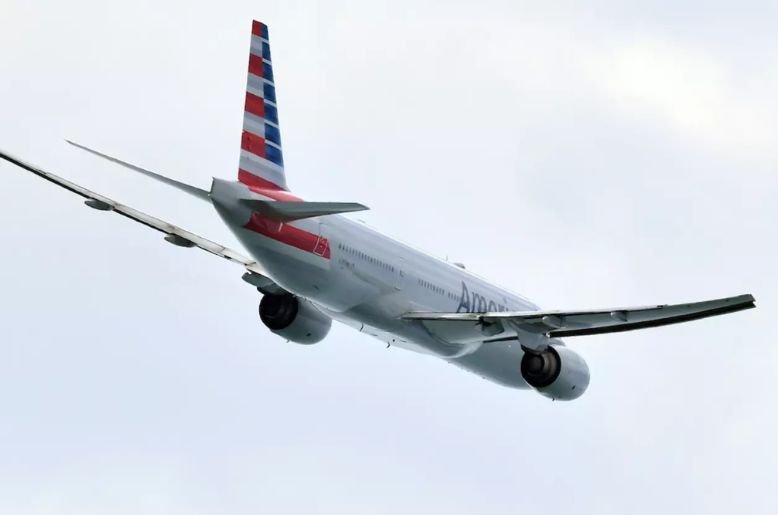
The American Airlines Bird Strike incident happened shortly after a flight took off from Philadelphia International Airport. The aircraft struck multiple birds, forcing the pilots to return safely to the airport.
Bird strikes are not new to aviation, but this event drew national attention because of how quickly and professionally the crew handled it. Everyone on board remained safe, and the plane landed without any injuries or major damage to passengers.
The American Airlines Bird Strike case highlights how nature and aviation sometimes collide and why airports work hard to reduce such risks.
What Happened During the Flight
According to initial reports, the flight took off normally from Philadelphia. A few minutes later, the pilots noticed unusual vibrations and sounds. They immediately followed safety procedures after realizing the plane had hit several birds midair.
The cockpit crew contacted air traffic control and requested to return to the airport. Passengers later said they felt a sudden jolt but praised the pilots for staying calm. The aircraft circled the airport before landing safely back on the runway.
After landing, mechanics inspected the engines and confirmed that multiple birds had hit the aircraft. While the incident was serious, the crew’s professionalism prevented any harm to passengers.
Understanding Bird Strikes
A bird strike happens when a bird collides with an airplane, usually during takeoff or landing. Most bird strikes cause little damage, but in rare cases, they can impact engines or sensors.
In the American Airlines Bird Strike, several birds hit the plane shortly after takeoff. This timing is common because many birds fly near airport zones in early mornings or evenings.
Airports around the U.S. use various wildlife control methods to prevent these events — including trained falcons, sound systems, and radar detection. Still, no system can fully eliminate the risk.
Safety Procedures and Quick Pilot Action
The American Airlines pilots followed strict FAA and company safety procedures. When a bird strike happens, pilots must:
- Maintain control of the aircraft.
- Check engine performance.
- Communicate with air traffic control.
- Return for an inspection if needed.
That’s exactly what happened here. Because of their quick thinking, passengers were never in serious danger. The American Airlines Bird Strike shows how pilot training and teamwork keep air travel safe even in unexpected situations.
Impact on Passengers
Passengers reported hearing a loud noise followed by slight turbulence. Cabin crew quickly reassured everyone that the situation was under control. The flight attendants followed emergency guidelines and helped keep passengers calm.
Several travelers shared that they were impressed by how smooth the emergency landing was. American Airlines later arranged alternate flights and ensured everyone reached their destinations safely.
Such experiences can be frightening, but they also remind travelers that airlines prioritize safety above all else.
American Airlines’ Response
American Airlines confirmed the bird strike incident in a public statement. The airline thanked the pilots and crew for their professionalism and emphasized that passenger safety is always their highest priority.
The company’s maintenance teams inspected the aircraft and cleared it for further evaluation. They also worked with the Federal Aviation Administration (FAA) and airport officials to review the situation and improve prevention efforts.
American Airlines has a strong record of safety management, and this incident shows how its systems respond effectively in emergencies.
Why Bird Strikes Are a Growing Concern
Bird populations near airports have increased over the years. Urban expansion and food waste attract flocks to open spaces, including runways.
The American Airlines Bird Strike highlights this growing challenge for the aviation industry. Even with advanced radar systems, birds can appear suddenly, especially during migration seasons.
Experts suggest that better waste control, advanced wildlife management, and airport zoning can reduce risks in the long term.
How Airports Try to Prevent Bird Strikes
Philadelphia International Airport, like most major airports, uses several methods to keep birds away from runways:
- Wildlife management teams monitor bird activity daily.
- Audible deterrents such as recorded predator calls scare birds away.
- Habitat control removes standing water and food sources.
- Radar systems detect bird movement near flight paths.
Despite these measures, no system is perfect. The American Airlines Bird Strike is a reminder that nature can still surprise even the most prepared aviation professionals.
Lessons Learned from the Incident
Every bird strike gives airlines and airports a chance to learn. From this case, several lessons stand out:
- Quick decision-making saves lives. The pilots acted fast and avoided danger.
- Regular training works. Crew members followed every step correctly.
- Technology and teamwork matter. Ground control and flight crews worked together smoothly.
The American Airlines Bird Strike shows that while nature cannot be controlled, human skill and coordination can turn potential disasters into safe outcomes.
The Bigger Picture: Coexisting with Nature
Air travel and wildlife will always share the same skies. As technology advances, so do strategies for safer coexistence. Future aircraft designs may include improved engine protection and bird-detection systems.
This event from Philadelphia is not only about one flight — it’s about understanding that aviation safety is an ongoing process. Each incident helps engineers, pilots, and airports find better solutions for tomorrow.
The American Airlines Bird Strike at Philadelphia Airport proved that even unexpected challenges can be managed safely with proper training and quick decisions.
Every passenger walked away unharmed, and the airline’s swift response reinforced public trust. While bird strikes will continue to pose risks, incidents like this one remind us how far aviation safety has come.
Frequently Asked Questions
1. What is a bird strike in aviation?
A bird strike happens when a bird collides with an airplane, usually during takeoff or landing.
2. Did anyone get hurt in the American Airlines Bird Strike?
No. All passengers and crew were safe, and the flight landed back at Philadelphia without injuries.
3. How do airlines prevent bird strikes?
Airports use wildlife teams, radar systems, and noise deterrents to keep birds away from flight paths.
4. What happens to a plane after a bird strike?
The aircraft undergoes a full inspection before flying again to ensure all systems are safe.
5. Are bird strikes common in the U.S.?
Yes, but most cause little or no damage. The FAA records thousands each year, and safety systems handle them effectively.


