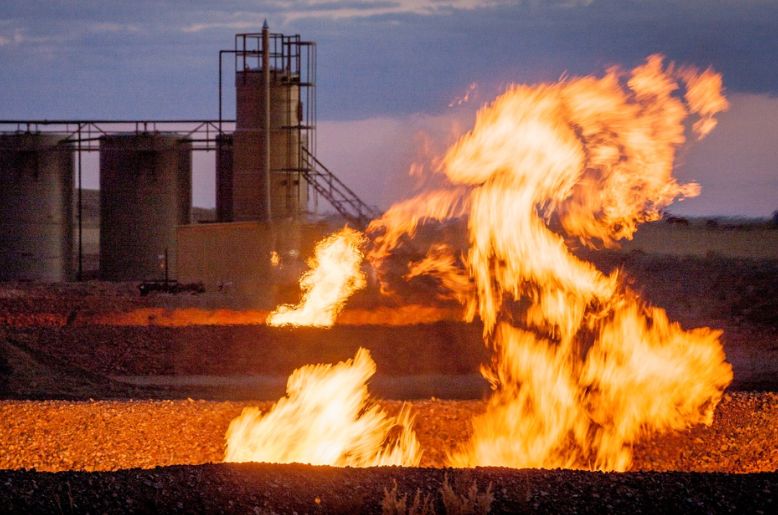
A new report by the International Energy Agency (IEA) stated that reducing methane emissions from fossil fuels could slower climate change and improve global energy security, majorly during the ongoing tensions involving Iran.
Methane is a powerful greenhouse gas and is the second-largest contributor to global warming after carbon dioxide. Although it stays in the atmosphere for a shorter time, it traps about 80 times more heat over a twenty year period. According to the IEA’s Global Methane Tracker 2026, the oil, gas, and coal industries produce around 35% of methane emissions caused by human activity. However, there has been little progress in reducing these emissions.
Additionally, the report estimates that fossil fuel activities release about 124 million tonnes of methane each year. Oil contributes the most which is 45 million tonnes, followed by coal 43 million tonnes and natural gas 36 million tonnes. An additional 20 million tonnes come from bioenergy use, mostly in developing countries where fuels burned inefficiently for cooking and heating.
At the same time, global energy markets are under pressure due to US-Iran conflict. Tensions around the Strait of Hormuz have affected fuel supplies and increased prices eventually. Around 20% of global liquefied natural gas (LNG) trade has been impacted.
The IEA states that reducing methane leaks and waste in oil and gas systems could free up nearly 100 billion cubic metres of natural gas each year. Moreover, around 15 billion cubic metres could be made available quickly. This could help ease current shortages.
Methane emissions are gaining international attention, such as France recently hosted a meeting under the Group of Seven to push for faster action before the upcoming COP31. Officials warned that global cooperation is necessary, as current efforts are still far from the goal of cutting methane emissions by 30% by 2030.
Overall, tackling methane is one of the most effective ways to reduce global warming, improve air quality, and strengthen energy systems worldwide.
Also read: LPG prices jump to record levels
