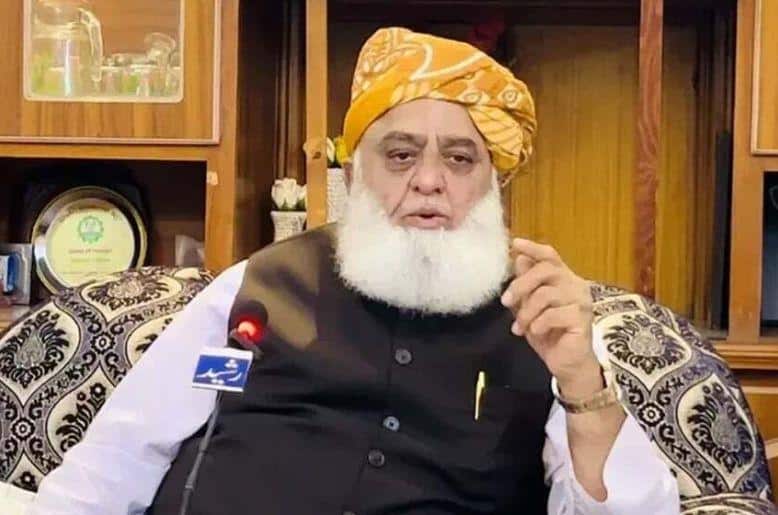
Jamiat Ulema-e-Islam-Fazl (JUI-F) chief Fazlur Rehman is facing questions over alleged dynastic politics, the concentration of key party positions within his family, and calls for greater transparency regarding assets, taxation and the finances of religious seminaries.
The debate has also raised questions about the administration of the extensive madrassa network associated with religious political circles, including how these institutions are funded, who oversees their finances and whether students are being kept focused on education rather than drawn into political rallies and protests.
Questions have also emerged about the reported scale of properties and luxury vehicles associated with Fazlur Rehman and members of his family. Critics are demanding greater transparency about the sources of income used to maintain expensive residences, vehicles and other assets.
The issue has prompted calls for public disclosure of relevant tax records, property ownership and financial declarations so that claims about assets and income can be assessed against verifiable information.
Fazlur Rehman, his brother and son: Questions over family influence
Fazlur Rehman has led JUI-F for decades, succeeding his father, Maulana Mufti Mahmood, as the party’s central leader. His long tenure has fuelled debate about leadership succession, internal party democracy and opportunities for other senior party members to assume key positions.
His family’s presence in politics has added to the debate. Fazlur Rehman heads the party, while his brother, Maulana Ata-ur-Rehman, has held political office, including a Senate seat. His son, Asad Mahmood, has also served in national politics and held a federal ministerial portfolio.
These overlapping political roles have prompted critics to question whether JUI-F provides sufficient space for leadership beyond the founding family’s immediate circle. The central issue is whether party appointments and political opportunities are determined through transparent internal processes or influenced by family connections.
Madrassa funding and the use of students in political activities
The financing and administration of religious seminaries have also become subjects of public debate. Claims about a network involving tens of thousands of madrassas require independent verification, including the number of institutions, their registration status, funding sources and administrative arrangements.
Critics are calling for greater transparency regarding donations, grants and other financial contributions collected in the name of religious education. They have also raised concerns about the participation of madrassa students in political demonstrations and rallies.
Questions over property, luxury vehicles and tax declarations
The reported properties and luxury vehicles associated with Fazlur Rehman and his relatives have prompted further demands for financial transparency. Critics want relevant asset declarations, property records and tax filings examined to establish whether declared income is consistent with reported holdings and expenditure.
However, allegations of assets beyond known income cannot be treated as established findings without documentary evidence, verified financial records or findings by the relevant authorities.
The key questions include what assets are legally owned by the politician and his family members, how those assets were acquired, whether the relevant tax obligations were met and whether any discrepancies have been identified by competent authorities.
