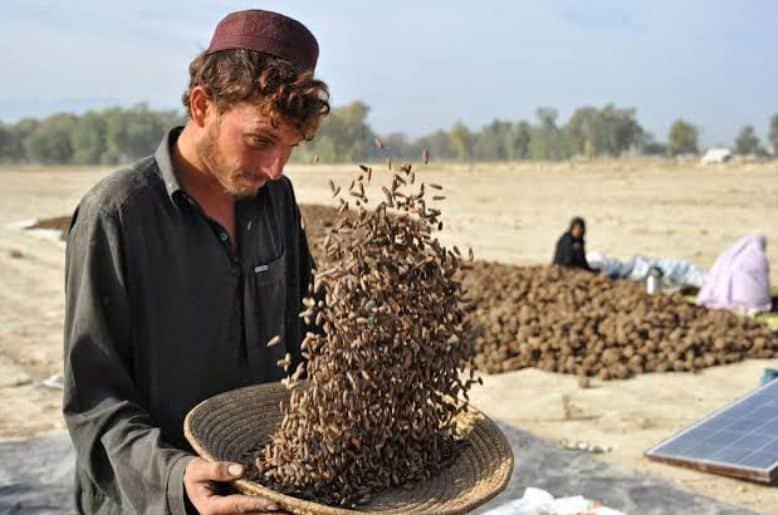
The government is considering restricting this year’s pine nut (chilgoza) harvest in North and South Waziristan due to growing concerns that militants have been using orchards and forests with the assistance of local facilitators, according to security sources.
Sources said the proposal is being reviewed following a series of security incidents in the region. They claimed that recent security measures helped prevent most vehicle-borne explosive attacks in North and South Waziristan, with only two out of 10 attempted attacks succeeding, resulting in comparatively limited casualties.
According to the sources, militants allegedly used dense pine nut orchards, fruit plantations, and forested areas to prepare explosive-laden vehicles with the help of local facilitators. In light of these concerns, the government has begun examining various options regarding this year’s pine nut harvesting season in the two districts.
While the pine nut harvest is a major source of income for local communities, sources said authorities believe that in recent years some individuals in areas where security forces provide protection for harvesting have also allegedly offered safe havens and logistical support to militants.
The sources further alleged that certain local elements have facilitated sabotage activities, including the planting of improvised explosive devices (IEDs) targeting security forces.
According to the sources, the government considers such alleged dual conduct unacceptable and is seeking assurances from local communities that they will not provide any form of assistance or support to militants.
Security forces have traditionally assisted local residents in harvesting the pine nut crop safely, helping protect livelihoods and support the local economy. Officials believe that if local communities fully cooperate with the government and security agencies, the harvesting process can continue safely as in previous years.
However, the sources warned that if adequate cooperation is not ensured, the government and relevant authorities may be compelled to take stricter measures in view of prevailing security concerns.
