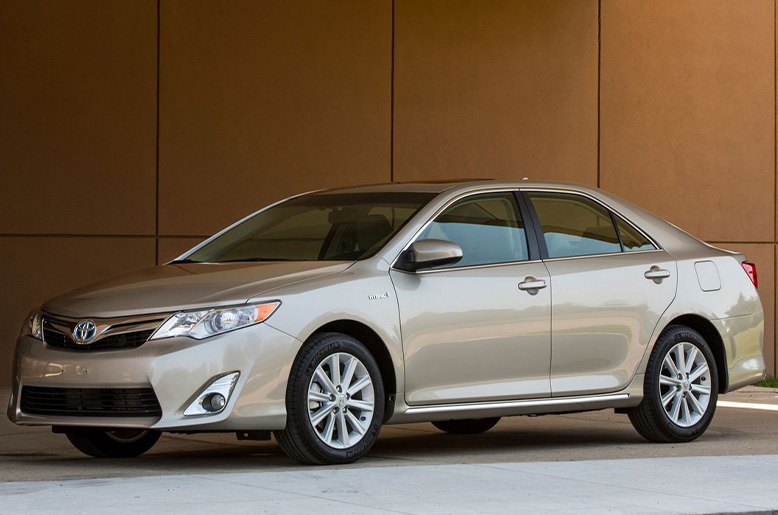
The government is working on a plan to allow businesses to import used cars, refurbish them locally and export them to international markets under the upcoming Auto Policy 2026-31.
The proposed import-refurbishment-export model is being developed to open a new export stream for Pakistan at a time when overall export growth remains below expectations. Officials said the idea is to create a regulated sector where companies can bring in used vehicles, upgrade them and ship them abroad for profit.
The plan is said to be inspired by the system used in Dubai’s Jebel Ali, where similar activity has helped generate strong export earnings. According to officials, the proposal gained traction after discussions led by the Special Investment Facilitation Council following regional developments in the Gulf.
At present, the draft auto policy is under discussion with the International Monetary Fund. Once finalised, it is expected to be placed before the federal cabinet for approval.
Officials said the framework is meant to attract investment in dedicated refurbishment facilities and help Pakistan link up with the global auto supply chain. Companies taking part in the scheme would be offered duty suspension incentives through the Export Facilitation Scheme.
Only registered firms would be allowed to operate under the model. These companies would need to show they have the financial strength and technical ability to run refurbishment operations, along with a clear export plan. Approval from the Ministry of Commerce and Industries would also be required, while facilities would need verification from the Engineering Development Board.
The scheme is expected to be applied across the sector instead of being tested through a pilot phase. It would operate under existing trade rules, including the Import Policy Order 2022, with possible adjustments by the Federal Board of Revenue to support implementation.
Officials made it clear that vehicles imported under this arrangement would not be sold in Pakistan. Each vehicle, or shipment, would have to be exported within nine months of arrival.
Extensions may be allowed in limited cases, but only with strong justification and added financial guarantees. Any failure to meet the export deadline would be treated as a violation, and action could be taken under existing tax and customs rules.
Read next: Rising imports push Pakistan trade gap to 46-month high in April