
Prices of essential items in Pakistan edged lower in the week ended October 29, offering some relief to consumers, although the annual inflation rate remained above 11 percent.
The Sensitive Price Indicator (SPI), which tracks the cost of 51 essential commodities, declined 0.35 percent week-on-week, according to the latest data released by the Pakistan Bureau of Statistics (PBS). However, the index was still 11.32 percent higher than a year ago.
The weekly decline was largely driven by lower prices of electricity charges for the first quarter, chicken, eggs and wheat flour. Electricity charges fell 3.92 percent, while chicken prices dropped 2.95 percent and eggs became 2.81 percent cheaper. Wheat flour prices also declined 0.83 percent.
Other items that recorded a decrease included LPG, bananas, rice IRRI-6/9, pulse masoor, petrol, sugar and powdered milk.
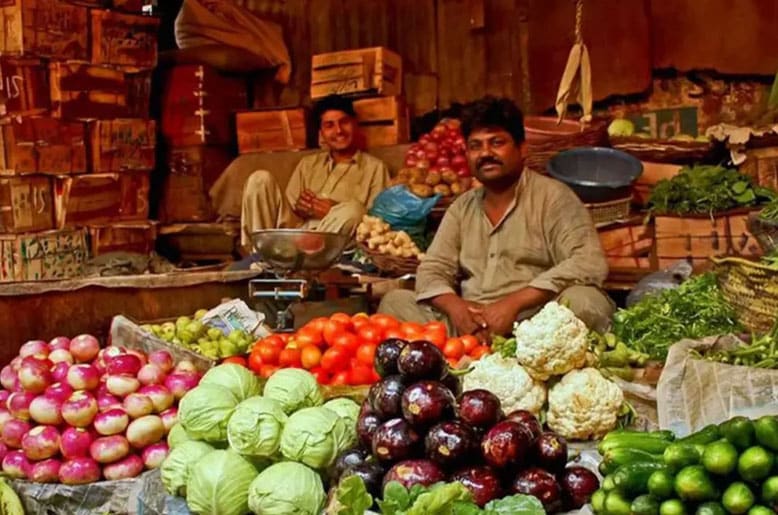
Tomatoes, however, continued to put pressure on household budgets. Their prices jumped 34.91 percent in a single week, the biggest increase among the items tracked by the SPI.
Potatoes also became 3.27 percent more expensive, while diesel prices rose 2.53 percent. Other increases were recorded in pulse gram, plain bread, onions, fresh milk, curd, vegetable ghee and firewood.
The broader picture remained mixed. Of the 51 items monitored during the week, prices increased for 15, declined for 12 and remained unchanged for the remaining 24, showing that the overall drop in the index did not translate into cheaper prices across most household purchases.
Energy and food costs remain higher than last year
Despite the weekly decline, the annual comparison shows that several essential items remain significantly more expensive than they were a year ago.
LPG recorded the biggest year-on-year increase, with prices rising 106.86 percent. Electricity charges for the first quarter were up 52.38 percent, while diesel and petrol became 45.13 percent and 43.61 percent more expensive, respectively.
Wheat flour prices rose 34.87 percent over the year, followed by chicken at 31.72 percent. Other notable increases included powdered chillies, mutton, plain bread, beef, onions and prepared tea.
There were some notable exceptions. Potatoes were 38.67 percent cheaper than a year earlier, while tomato prices fell 27.99 percent. Eggs and sugar also recorded annual declines of 26.70 percent and 25.21 percent, respectively.
Salt powder, gur, pulse masoor and pulse moong were among the other items that became cheaper over the same period.
Urea prices unchanged, cement edges lower
The PBS data also showed that the average price of a 50kg bag of Sona urea remained unchanged at Rs4,781 during the week. However, it was still 9.39 percent higher than its level a year earlier.
Cement prices recorded a slight weekly decline of 0.27 percent, bringing the average price of a 50kg bag to Rs1,592. On an annual basis, however, cement was 14.48 percent more expensive.
The SPI measures weekly price movements of 51 essential commodities across 50 markets in 17 cities. It serves as an early indicator of inflation trends and helps policymakers monitor changes in the cost of everyday goods.
Read next: Pakistan’s inflation returns to single digits in July
