The latest Iran War Updates: Oil prices back up as U.S. and Iran trade fresh threats to expand 7-month war show rising tensions. Oil prices climbed again as fresh warnings raised fears of wider regional fighting. Brent crude, the global oil benchmark, traded above $105 a barrel on Thursday. The increase came as the United Nations General Assembly saw little progress toward a peace agreement.
U.S. and Iran exchange fresh threats
Tensions increased after President Donald Trump threatened Iran with severe consequences. An adviser to Iran’s supreme leader then issued a warning. The adviser said Iran and its Houthi allies could open a new front. The warning focused on energy supplies in the Red Sea.
Iranian officials have also rejected pressure to surrender. Revolutionary Guard commander Ahmad Vahidi said Iran was not afraid of war. Iranian President Masoud Pezeshkian has also called for dialogue. He said Iran remains ready for negotiations without accepting threats or force.
Oil prices rise as shipping risks grow
The conflict continues to affect important energy routes. The Strait of Hormuz remains a major concern for global oil markets. An Iranian military adviser said Iran would retain control of the waterway. He said access would depend on conditions agreed with the United States.
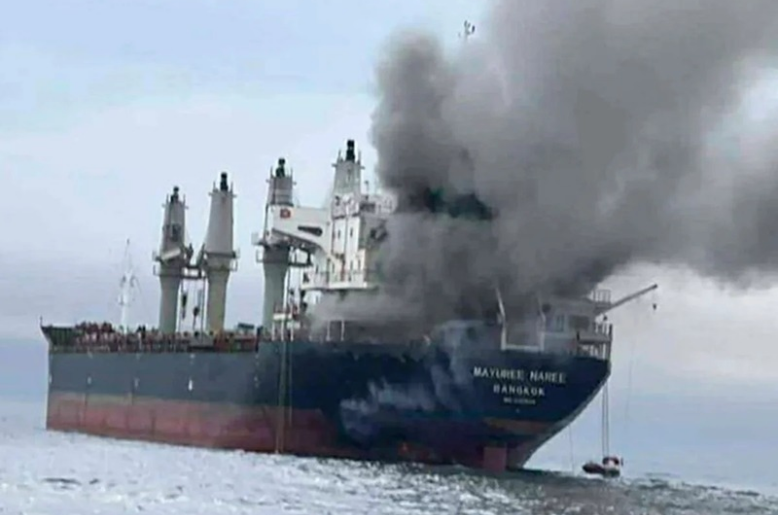
A commercial vessel was also hit in the Strait of Hormuz. One crew member died in the incident. More than 20 other mariners were evacuated, according to Oman’s navy. The Red Sea also faces growing security concerns. Houthi forces have gained positions near the Bab el-Mandeb Strait.
Around 12% of global trade normally passes through this waterway. Any major disruption could affect shipping and energy supplies.
Peace talks remain possible
Despite the threats, diplomatic efforts are continuing. Iran’s foreign minister said Tehran shared a seven-day plan with U.S. mediators. Under the proposal, the Strait of Hormuz could reopen after seven days. Talks would then restart if certain conditions were met. A mediator told CBS News that discussions were positive but still at an early stage. U.S. officials have not reported a major breakthrough.
China has also called for an end to the conflict through negotiations. President Xi Jinping urged the United States and Iran to resolve their differences through talks.
Global energy concerns increase
The conflict is already creating pressure on fuel markets. Europe has also faced record diesel prices during the war. The European Union warned against a possible U.S. diesel export ban. Officials said such a move could negatively affect both markets. France has also announced plans to send military assets to protect Saudi Arabia’s Yanbu oil terminal. The area has faced threats from Iran-backed Houthi forces. The latest Iran War Updates: Oil prices back up as U.S. and Iran trade fresh threats to expand 7-month war highlight the risks facing global energy markets.
For now, military threats and diplomatic efforts are continuing at the same time. Oil prices remain sensitive to developments around Hormuz and the Red Sea. The direction of the conflict will depend on further military actions and negotiations. Any disruption to major shipping routes could create additional pressure on global energy supplies.
Check our latest US-Iran negotiations news for updates on talks, diplomacy, tensions.