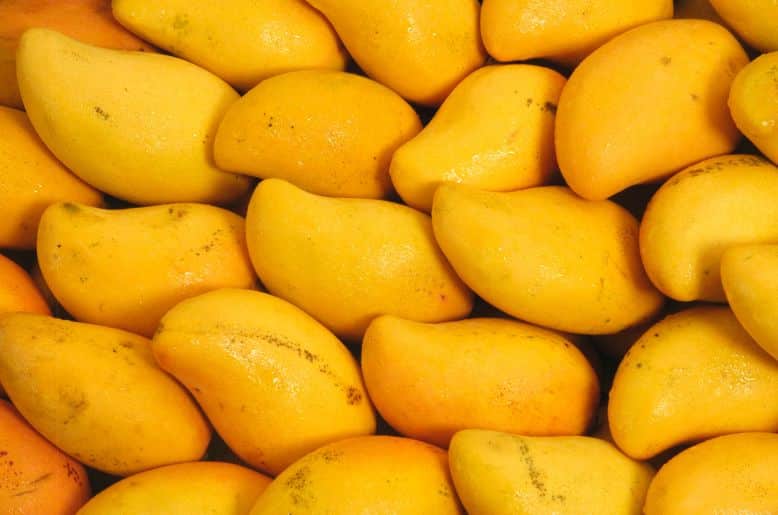
Japan has suspended the imports of Indian mangoes for the first time in almost 20 years, according to reports today.
The decision was taken after officials found problems in India’s pest control and fumigation systems, according to the Indian media reports.
The suspension is expected to affect exports of popular Indian mango varieties such as Alphonso, Kesar, Langra, and Banganapalli.
Reports said that Japanese officials inspected Vapour Heat Treatment (VHT) facilities in Lucknow in March of 2026.
These places are used to disinfect mangoes before they are exported. The process also helps stop the spread of pests and fruit fly larvae.
Under the agreement between India and Japan, the VHT process is required for all mango exports to Japan.
This treatment uses hot and humid air to kill insects and larvae. This is done while the fruit is kept fresh and safe.
Japanese authorities then reportedly found problems related to fumigation and sanitation during the inspection. However, officials from both countries have not shared full details about the issues.
After the inspection, Japan’s Yokohama Plant Protection Association reportedly decided to stop accepting shipments of Indian mangoes until the problems are fixed.
The suspension is a major setback for Indian mango exporters. This is especially for growers and traders who sell high quality mangoes to Japan and other premium markets.
Japan is an important market for Indian fruit exports because of strong demand and strict quality rules.
India is one of the world’s largest mango producers. The country exports thousands of tons of mangoes every year to Asia, Europe, the Middle East, and North America.
The suspension can increase pressure on Indian agricultural authorities to improve export inspection systems, reports say. Reports add that it can also increase pressure to meet Japan’s standards before the next export season.
The development also shows growing global concern about food safety, pest control, and agricultural import standards in international trade.
