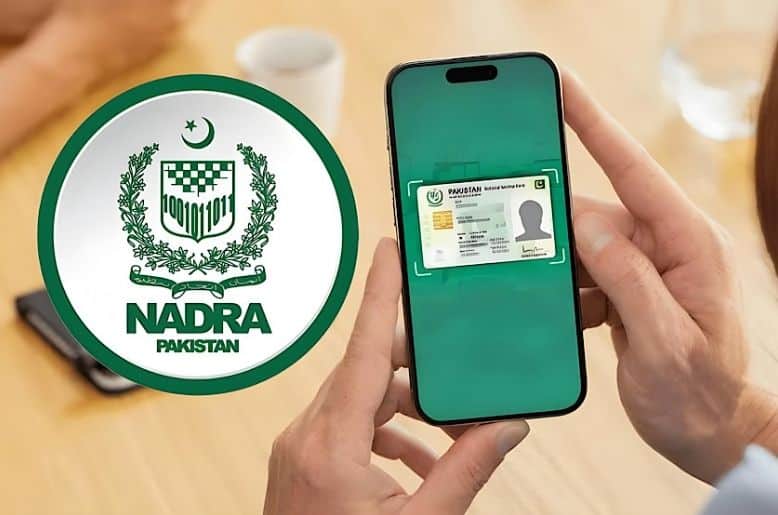
For the first time in history of Pakistan, the citizens can check when, where and for what purpose their Computerised National Identity Card (CNIC) data has been used. The newly released “NADRA identity card data monitoring app” marks a major shift in how Pakistani citizens protect their personal identity.
The app addresses many public concerns about illegal verification, fraud and misuse of identity information directly.
In Pakistan, a CNIC is very important and much more than just an ID card. A CNIC is required for SIM registration, banking, government services, property transactions, travel and employment. Hence the CNIC in Pakistan for its so many uses become both valuable and vulnerable.
The launch of the new NADRA identity card data monitoring app will provide people with the necessary awareness, transparency and control over their personal data.
What is the monitoring app?
The app is a new function added to the official NADRA’s mobile application, known as the Pak ID app. The feature will allow users to view a complete history of CNIC verifications carried out using their identity number.
Through this feature the users will be able to see:
- The purpose of verification
- The type of verification request
- Which organization accessed their CNIC data
- The date and time of verification
Through this feature the citizens will no longer be unaware that their identity card is being used. They will be informed of any suspicious or unauthorised activity immediately and after that will be able to report to relevant authorities.
The initiative seeks to protect citizens from fraud and restore trust in digital identity systems.
Essential uses of the CNIC
In Pakistan CNIC verification is required for almost every essential activity in Pakistan.
The most important activities include:
- Vehicle registration
- Employment verification
- Tax filing
- Opening bank accounts
- Receiving government subsidies
- Property buying and selling
- Buying or registering SIM cards
Also read: More NADRA services made available at e-sahulat centres