
Pakistan’s upcoming federal budget may bring higher taxes on solar panels and hybrid vehicles, reports say today. This could make clean energy systems and fuel efficient cars more expensive for consumers.
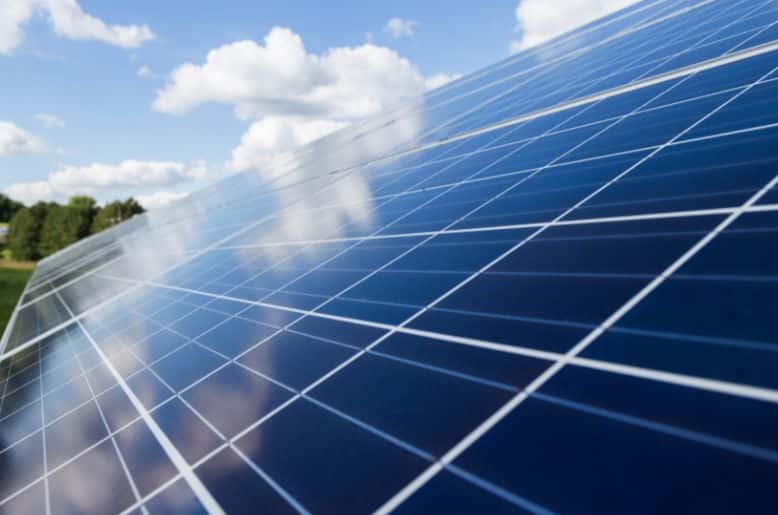
According to a budget preview by Topline Securities, the government is considering increasing the General Sales Tax (GST) on solar panels. The rate may rise from 10 per cent to 18 per cent in the 2026 to 2027 budget.
The move is expected to increase government revenue. However, experts say it may slow down the growing use of solar energy in Pakistan.
Industry experts say the higher tax could increase the cost of installing solar systems. A 10kW solar system can become Rs200,000 to Rs300,000 more expensive. This will especially affect middle income families.
Solar energy use in Pakistan has increased in recent years. This is due to high electricity bills and frequent tariff changes. Experts say higher taxes could slow this trend.
The auto sector may also face major tax changes. Under the proposal, GST on hybrid electric vehicles up to 1800cc may rise from 8.5 per cent to 18 per cent.
Larger hybrid vehicles may face an increase from 12.75 per cent to 25 per cent. This could raise vehicle prices by more than Rs 1 million in some cases.
Experts say this may reduce demand for hybrid cars. These vehicles have become popular because of high petrol prices and fuel savings.
At the same time, the government is also working on a New Energy Vehicle plan. This plan supports electric and hybrid vehicle production in Pakistan.
Officials have also opposed some IMF suggestions for higher taxes on electric vehicles.
The federal budget is expected to be presented in the National Assembly next month. Final decisions will be made after talks with the International Monetary Fund (IMF).

