Scroll through Pakistani social media for five minutes.
You’ll see hustle reels, money quotes, “grind now, sleep later” captions… and then, randomly, a calm quote by Seneca about patience and control.
Two worlds.
Two mindsets.
And one confused audience.
On one side, ancient Stoicism is explained through quiet, thoughtful lines. On the other hand, modern motivation culture shouting success formulas at full volume.
So the real question is simple:
Who actually makes more sense today, Seneca or modern motivation gurus?
Let’s break it down, without hype, noise, or blind inspiration.
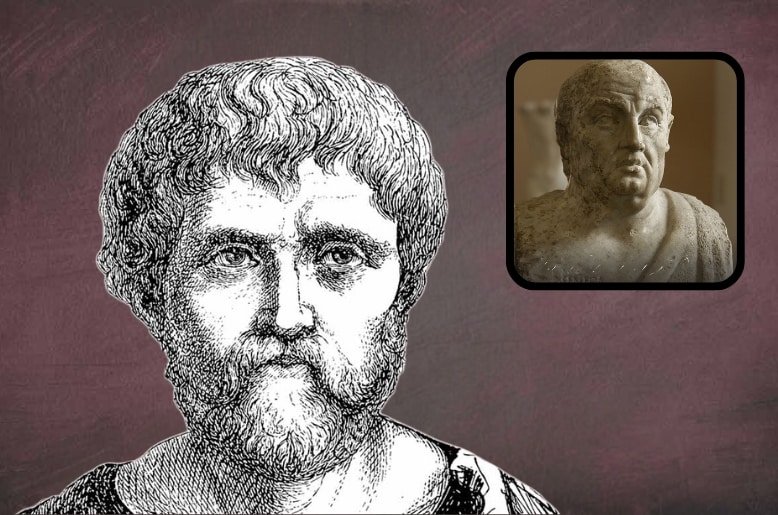
Who was Seneca, and why do people still quote him
Seneca wasn’t a life coach. He didn’t sell courses or promise overnight success.
He was a Stoic philosopher, a Roman statesman, and a deeply reflective thinker who wrote about life as it actually is. His philosophy focused on control, resilience, and emotional discipline.
Not avoiding pain, but understanding it.
Before getting into his ideas, here’s what made him different:
- He believed most suffering comes from expectations, not events
- He taught people to prepare for loss, failure, and uncertainty
- He emphasized inner stability over external validation
That’s why Seneca philosophy still feels relevant.
It doesn’t try to excite you.
It tries to steady you.
And in a chaotic world, that calm hits differently.
Rise of modern motivation gurus
Now let’s look at the other side.
Modern motivation gurus are everywhere, YouTube, Instagram, podcasts, paid webinars.
They speak the language of ambition, success mindset, and positivity.
Before judging them, it’s important to understand why they work:
- They simplify success into digestible formulas
- They offer hope, especially to frustrated youth
- They turn motivation into entertainment
Their core message is loud and clear:
“You can achieve anything if you want it badly enough.”
For many people, especially in Pakistan where opportunities feel limited, this message feels empowering.
But empowerment has a cost, and that’s where things start getting complicated.
Core difference in philosophy: Acceptance vs control
Here’s where Seneca and modern gurus truly diverge.
Seneca taught that some things are within your control, and most are not.
Peace comes from knowing the difference.
Modern motivation flips this idea completely. It suggests that you can control outcomes, success, and even circumstances.
Let’s simplify the contrast:
- Seneca: Control your reactions, not the world
- Modern gurus: Control everything through mindset
This difference deeply affects mental health.
When expectations clash with reality, one philosophy cushions the fall, the other often blames the individual.
And blame quietly turns into guilt.
Practicality in real life
Ideas matter only when life gets hard. Seneca’s advice works best during:
- Failure and rejection
- Financial uncertainty
- Loss and emotional stress
He teaches emotional resilience, not denial. Modern motivation, on the other hand, shines when:
- You need confidence
- You’re starting something new
- You need energy to move forward
But it struggles when results don’t come.
In real life, especially in Pakistan where unpredictability is common, blind optimism often collapses under pressure.
That’s where Stoic thinking quietly proves useful.
Emotional health: Calm strength or Constant pressure?
Seneca never asked people to stay positive all the time.
He accepted fear, sadness, and frustration as part of being human.
Modern motivation culture often pushes toxic positivity, the idea that negative emotions mean failure.
Over time, this creates:
- Burnout
- Anxiety
- Self-doubt hidden behind fake confidence
You see it everywhere, smiling faces online, silent stress offline.
Seneca’s strength was different.
It was calm.
It didn’t need applause.
Money, Success, and Happiness: Who gets it right?
Seneca didn’t hate money. He simply refused to worship it. He believed wealth is neutral, useful, but not meaningful by itself.
Modern gurus often link happiness directly to financial success. More money, more freedom, more worth. But reality disagrees.
In a society constantly exposed to tragic news, violence, and instability, like stories of extremism or chaos that surface regularly, people realize money alone doesn’t guarantee peace.
Even recent reports highlighting brutality and loss, such as this detailed account of violent extremism in Khyber Pakhtunkhwa, remind us how fragile external success can be when inner stability is missing.
That’s where Seneca’s realism feels grounding.
Why modern audiences still need Seneca
In an age of noise, outrage, and comparison, ancient philosophy feels like a pause button.
Seneca doesn’t kill ambition.
He balances it.
He teaches you to want success, without tying your self-worth to it.
That’s why Stoicism in modern life isn’t outdated.
It’s quietly revolutionary.
Can both exist together?
Yes, and that’s the real win.
You can use modern motivation for momentum. And Seneca for emotional balance. A healthy mindset today looks like this:
- Ambitious, but realistic
- Driven, but emotionally grounded
- Hopeful, but not delusional
This balance prevents burnout without killing dreams.
So who actually makes more sense today?
If you want calm, clarity, and emotional strength, Seneca makes more sense.
If you want energy and confidence, modern motivation has its place.
But wisdom lies in choosing consciously, not blindly. Before chasing the next viral quote, pause. Read something that doesn’t shout.
Sometimes, the quiet voice of Seneca is exactly what modern minds need.
If this comparison made you rethink motivation, explore more grounded ideas, reflect deeper, and choose your mindset, don’t just inherit it.