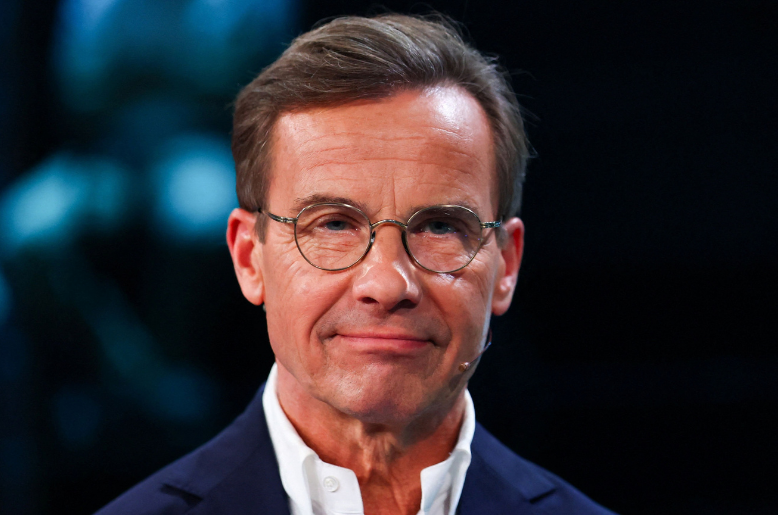
Swedish Prime Minister Ulf Kristersson will resign after his governing bloc lost the parliamentary election. The final count gave the centre-left opposition 176 seats in the 349-seat Riksdag. Kristersson’s right-wing bloc won 173 seats. The result creates a narrow majority for the opposition. It also starts the process of forming Sweden’s next government.
Kristersson announces his resignation
Kristersson announced his resignation on Thursday, September 17. His decision came after Sweden completed the final vote count from the September 13 election. The prime minister said the Speaker of the Riksdag would now lead the next stage. He requested to leave office so work on forming a new government could begin. Kristersson has led Sweden since 2022. He is also the leader of the Moderate Party. His government was formed with the support of other centre-right parties. The Sweden Democrats also provided parliamentary support to the government.
The election result ended the governing bloc’s attempt to continue in power. The opposition now has a small advantage in parliament.
Centre-left opposition wins 176 seats
The centre-left opposition secured 176 seats in the Riksdag. Kristersson’s governing bloc secured 173 seats. The difference is only three seats. This makes the election result one of the closest in recent Swedish politics. The Social Democrats remained the largest individual party. They are led by Magdalena Andersson, who served as prime minister before Kristersson.
Andersson is expected to seek another term as prime minister. She has spent the past four years leading her party from opposition. However, winning the election does not automatically create a new government. The centre-left parties must still work together to secure enough parliamentary support. The final result is also subject to formal certification. The Swedish Election Authority has completed the counting of votes, including late ballots.
What happens after Kristersson’s resignation?
Sweden will now enter a government formation process. The Speaker of the Riksdag will consult political party leaders. The Speaker can then propose a candidate for prime minister. The Riksdag must consider that candidate before a new government can take office. Magdalena Andersson is expected to play a central role in these talks. Her Social Democrats will need cooperation from other centre-left parties.
The parties do not agree on every major issue. Differences could therefore make government negotiations more difficult. The narrow majority also means the next government will need parliamentary support for its plans. The parties will have to negotiate before a stable administration can be formed.
Kristersson’s resignation does not mean that Sweden immediately has a new prime minister. The current government remains involved during the transition. The Swedish PM Kristersson resigns after election loss story marks an important change in Sweden’s political leadership. The next phase will focus on government formation and parliamentary negotiations.
For now, Sweden has a clear election result but still needs a new government. The coming talks will determine who leads the country and how the new administration is formed.