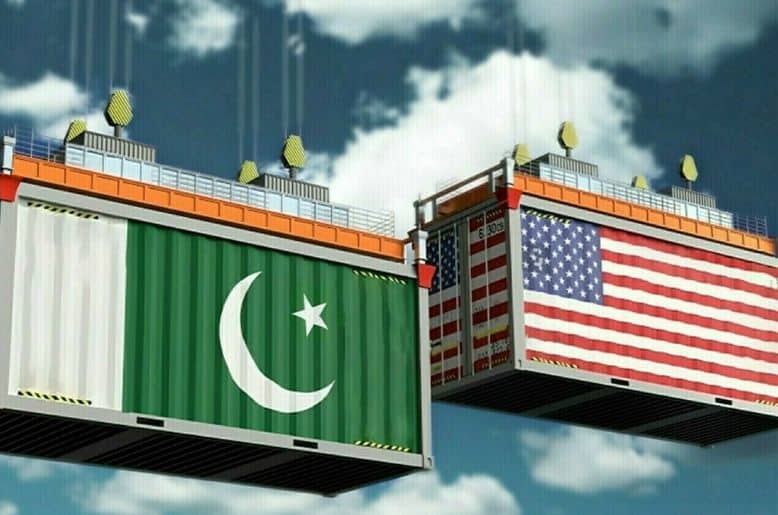
The United States on Tuesday proposed new tariffs on imports from 60 economies, citing concerns over the failure of trading partners to restrict goods produced with forced labour, which it said unfairly disadvantages American workers and places a burden on US commerce.
The US Trade Representative (USTR) stated that additional duties are being considered under a Section 301 investigation into unfair trade practices.
Under the proposal, imports from countries including Pakistan, Canada, Ecuador, the European Union, Indonesia, Mexico, Bangladesh, Cambodia, and the United Kingdom would face an additional 10% tariff due to what Washington described as ineffective enforcement of forced labour import prohibitions.
The USTR said a separate group of 45 countries, found to lack adequate forced labour import restrictions, would be subject to higher proposed duties of 12.5%.
US Trade Representative Jamieson Greer said the failure of major trading partners to address forced labour-linked goods was “unacceptable” and creates an uneven global trading environment for American workers.
“This creates a dynamic where American workers are forced to compete globally on an unlevel playing field,” he said.
The proposal is part of a broader effort by the Trump administration to rebuild its emergency tariff framework following a setback in which the US Supreme Court struck down certain tariffs imposed under the International Emergency Economic Powers Act earlier this year.
The move also comes ahead of the scheduled expiration of a temporary 10% tariff measure introduced in February, which is set to lapse on July 24.
Alongside the tariff proposal, the USTR has also suggested a textile-specific mechanism that would allow limited volumes of apparel and textile imports into the US at reduced tariff rates, though exact details on quotas and rates were not disclosed.
Certain categories of goods, including energy products, rare earth materials, pharmaceuticals, agricultural commodities, and aircraft parts, would be exempt from the proposed tariffs.
The USTR has invited public comments on the proposal until July 6, with a public hearing scheduled for July 7.
Pakistan has been placed in the group of countries facing the 10% additional duty, while India has been proposed for a higher 12.5% tariff due to what the report described as insufficient enforcement of forced labour import restrictions.
The proposal could add fresh tension to ongoing trade discussions between Washington and New Delhi, as both sides continue negotiations on broader economic issues.
Also read: Pakistan eyes major tariff relief from China to boost exports
