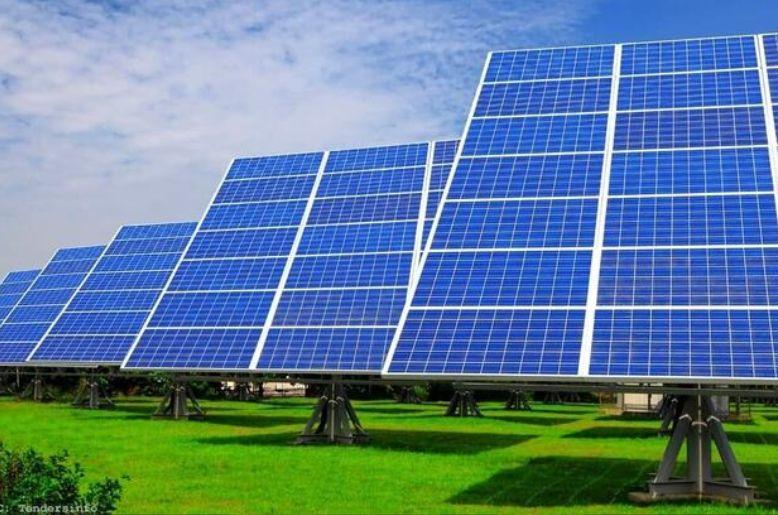
The federal government is considering a new policy aimed at tackling Pakistan’s growing electricity challenges by allowing solar users with battery backup systems to sell electricity to the national grid during peak evening hours in exchange for Rs18 to Rs22 per unit.
The proposal, prepared by the Power Division, seeks to integrate millions of battery equipped solar users into the national electricity system. Under the plan, consumers who store electricity generated by their solar panels during the day would be able to feed surplus power into the grid between 5:00 pm and 10:00 pm, when electricity demand is at its highest.
Officials say Pakistan’s electricity demand rises to nearly 26,000 megawatts during the evening, while solar generation falls to almost zero after sunset. By utilising electricity stored in residential and commercial battery systems, the government hopes to reduce power shortages and lessen dependence on expensive furnace oil and imported fuel-based power plants.
Proposed changes to net metering
The proposal also recommends replacing the current net metering system with a Time of Use (ToU) net billing or net metering model, under which electricity rates would vary depending on the time of day. Consumers supplying electricity to the grid during peak evening hours would receive higher payments, encouraging greater investment in battery storage systems.
Experts see opportunities and challenges
Energy experts believe the policy could significantly boost demand for Battery Energy Storage Systems (BESS) in Pakistan, creating new investment opportunities while accelerating the adoption of renewable energy.
However, questions remain over whether the financial returns would justify the cost of installing battery systems and whether Pakistan’s existing power grid can accommodate electricity supplied by millions of solar users during nighttime hours without major infrastructure upgrades.
Industry reaction
Pakistan Solar Association Senior Vice Chairman Hasanat Khan welcomed the proposal, saying that paying up to Rs22 per unit for electricity supplied from battery backed solar systems would encourage the adoption of energy storage technologies.
He said the proposed Time of Use tariff is designed to better manage electricity demand by introducing different electricity rates for daytime and nighttime consumption. Lower daytime tariffs would encourage consumers to use grid electricity while storing excess solar energy in batteries for later use or sale during peak hours.
According to Khan, the policy could expand Pakistan’s battery market, encourage more households to install solar systems, and increase the country’s reliance on renewable energy. He stressed that clear tariff mechanisms, simple regulations, and upgrades to the electricity transmission network would be essential for the policy’s success.
Concerns over financial viability
Solar expert Muhammad Gul Baz described the proposal as a positive step but said it would require formal government approval and improvements to the national grid before implementation.
He argued that allowing consumers to sell excess solar electricity directly to the grid during the daytime could be a more cost effective solution than relying on battery storage. He noted that battery systems are expensive, have a limited lifespan, and extend the payback period for solar investments.
Another solar expert, Sharjeel Ahmed Salehri, expressed reservations about the proposal, saying it may not be financially beneficial for consumers. He explained that while users could earn up to Rs22 per unit by selling electricity to the grid, they might later have to purchase electricity at around Rs46 per unit, with taxes pushing the effective cost to Rs70–80 per unit.
Salehri warned that the scheme could ultimately benefit electricity distribution companies and the government more than consumers. He also emphasised the need to upgrade Pakistan’s grid infrastructure to safely handle additional electricity from distributed solar systems without affecting grid stability.
Policy still under review
The proposal remains in its early stages and will require approval from the relevant regulatory authorities, particularly NEPRA, before it can be implemented. Officials said the final policy will specify eligibility criteria, compensation rates, and operational procedures only after receiving regulatory approval.
Recent reports indicate that imports and use of lithiumion batteries have increased significantly in Pakistan, reflecting growing consumer interest in energy storage technologies alongside rooftop solar systems.
Most energy experts believe that, if implemented effectively, the policy could strengthen Pakistan’s power system, improve load management, increase the use of renewable energy, and provide consumers with an additional source of income.
Also read: US visa rules revised: What this means for Pakistanis?