
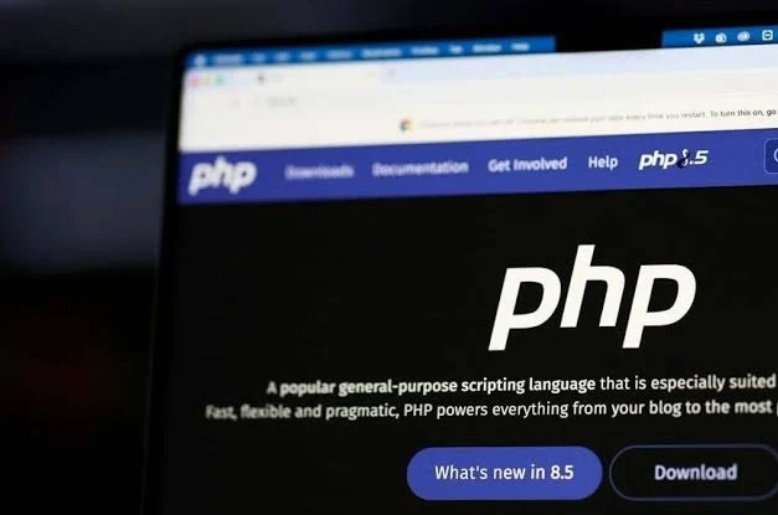
Websites around the world faced serious security concerns after critical flaws emerged in PHP, a programming language used by millions of websites. The reported vulnerabilities pushed technology teams to check their systems and take protective action. Some organizations temporarily took websites and services offline while they assessed the risks. These steps showed how a problem in one widely used technology can affect many online services. But what is PHP and why did it spark a global cyber-security scramble? The answer involves website technology, software vulnerabilities, and the challenge of protecting connected systems.
PHP powers many websites, including platforms that use it to process forms, manage content, and connect to databases. When a security flaw affects a widely used programming language, the consequences can reach far beyond one website. For website owners, developers, and businesses in Pakistan, this incident highlights an important lesson. Keeping software updated is essential for protecting websites, business data, and online services.
What is PHP and how does it work?
PHP is a programming language mainly used to build websites and web applications. Its name originally stood for Personal Home Page, but it now stands for PHP: Hypertext Preprocessor. Unlike HTML, which mainly structures webpage content, PHP can perform tasks behind the scenes. It processes requests, handles information, and communicates with databases. For example, imagine you log in to an online shopping website.
You enter your email address and password. The website may use PHP to process your login request and check your account details. PHP can also help websites manage customer accounts, display product information, process forms, and publish articles. Developers often use it with databases to store and retrieve information. Many popular website tools rely on PHP. WordPress, for example, uses PHP to manage content and power many of its features. This makes PHP important to businesses, publishers, bloggers, and online stores.
Why do so many websites use PHP?
PHP has remained popular because developers can use it to build dynamic websites without needing an overly complex setup. It works with several database systems and runs on many web servers. Its large developer community also provides tutorials, software tools, and support. Businesses can find developers who understand PHP, which helps them maintain existing websites.
However, widespread use also creates a security challenge. A serious flaw in a commonly used technology can affect many different systems at once. The impact depends on the vulnerable component, the software version, and how each website uses it. Not every PHP website faces the same risk.
Why did PHP Spark a Global Cybersecurity Scramble?
The security crisis began when researchers identified serious vulnerabilities in PHP. According to reporting by The Guardian on October 22, 2026, the flaws raised concerns because attackers could potentially use them to target vulnerable servers. The vulnerabilities were especially serious because they affected parts of PHP involved in memory management and error handling. These functions help the language process requests and manage information while websites operate.
Security researchers warned that attackers could exploit the flaws to reach sensitive server resources. Depending on the system and the success of an attack, this could put files, databases, and other important information at risk. The security concerns also affected organizations that rely on PHP-based website platforms. These include publishers, businesses, public services, and other organizations that use content management systems.
Why did the problem affect so many websites?
PHP has a large presence across the internet. The Guardian reported an estimate that around 70% of websites use PHP, although the exact number depends on how websites are counted. This widespread use helps explain why the vulnerabilities triggered an international response. A flaw in a rarely used application may affect a limited number of systems. A flaw in a common programming language can create a much larger security challenge.
Consider a business that runs an online store using PHP. The store may also rely on a database, payment services, plugins, and a hosting provider. A vulnerability in the underlying technology could require the business to review several connected components. The same challenge applies to large organizations. They may operate hundreds of websites across different departments and servers. Security teams must identify every affected system before they can confirm that the organization has addressed the problem. This makes the response more complicated than installing one software update.
What is the PHP Security Flaw known as PHP2Shell?
Security company Hadrian referred to the reported vulnerabilities as PHP2Shell exploitation. The term describes the security concern surrounding flaws that could potentially allow attackers to move from a vulnerable PHP process toward more powerful server access. The reported weaknesses involved memory management and error handling. Memory management helps software use computer memory correctly. Error handling determines how software responds when something goes wrong. If attackers exploit weaknesses in these areas, they may interfere with how a program processes information. In some circumstances, this can allow them to execute commands or access resources they should not control.
The US National Security Agency warned that the vulnerabilities could create a path toward a server’s file system or database, according to The Guardian’s report. However, readers should understand an important distinction. A vulnerable system is not automatically a compromised system. Attackers must still be able to exploit the relevant weakness under the conditions present on that system. The actual risk depends on the PHP version, system configuration, security controls, and whether the organization has applied the necessary fixes.
How can PHP Vulnerabilities put websites at risk?
A serious PHP security flaw can create several potential risks. The exact consequences depend on how an attacker exploits the weakness and what permissions the affected process has.
1. Unauthorized access to website files
Websites store files that help them operate. These files may include configuration settings, application code, and uploaded content. If an attacker gains access to a vulnerable server, they may attempt to read or change files. This could disrupt website operations or expose sensitive information.
2. Exposure of database information
Many websites use databases to store customer accounts, orders, articles, and other records. Attackers who gain sufficient access may attempt to reach these databases. The potential impact could include the exposure of personal information or business records. However, the existence of a vulnerability does not prove that any particular database has been accessed.
3. Website disruption
Attackers may attempt to interfere with website operations. They could damage files, run unauthorized commands, or disrupt services if they gain enough access. For businesses, even a temporary outage can affect sales, customer service, and trust.
4. Further attacks on connected systems
A compromised web server can sometimes become a starting point for additional attacks. The attacker may attempt to access other systems that share credentials, permissions, or network connections. This is why security teams must investigate more than the original software flaw. They also need to check for signs that an attacker entered the system before the organization applied its fixes.
Why did organizations shut down websites?
Some organizations temporarily took websites offline to reduce the risk while they worked on security updates. This response may appear extreme, but it can be a sensible precaution when a serious vulnerability affects an exposed system. A website that remains online may continue receiving requests from potential attackers. If the organization cannot apply a fix immediately, temporarily disabling the service can reduce that exposure. The shutdowns also gave technical teams time to identify vulnerable systems, apply patches, and test their services before restoring access.
Why temporary shutdowns can be the safer choice
Imagine a company discovers that attackers could exploit a serious flaw in its website software. The company has two options. It could keep the website running while its team prepares a fix. Alternatively, it could temporarily disable the service until it can reduce the risk. The right decision depends on the threat, available security controls, and the importance of the service. In some cases, a temporary shutdown may cost less than recovering from a successful attack.
However, not every website needs to shut down. Organizations should follow the software maintainer’s guidance and assess their individual exposure. The key lesson is that a temporary outage can reflect a preventive security measure rather than proof that hackers have already breached the website.
How were the PHP vulnerabilities discovered?
Cybersecurity researchers regularly examine software to identify weaknesses before criminals can exploit them. They use code reviews, security testing, and automated tools to find problems that developers may have missed. Artificial intelligence is also changing this process. AI tools can examine large amounts of source code and help researchers identify unusual patterns that may indicate security weaknesses.
According to The Guardian, the PHP Foundation worked with Anthropic’s AI model to scan PHP code. The report also linked the discovery to OpenAI’s Patch the Planet program and researcher Ryan A. The vulnerabilities were identified before their planned public disclosure. However, the PHP Foundation reported that information about the flaws had begun circulating on online forums and social media. This prompted an earlier public announcement.
Can AI help hackers find Vulnerabilities faster?
Yes. AI can help both security researchers and attackers identify weaknesses more quickly. Security teams can use AI to examine code, test software, and find problems before criminals exploit them. Attackers may also use similar capabilities to identify vulnerable systems and develop attacks. This creates a race between finding weaknesses and fixing them.
AI does not automatically make every software vulnerability dangerous. The risk depends on whether attackers can exploit the weakness and whether system owners can protect their software in time. The PHP incident highlights the importance of sharing security information responsibly. Researchers, software developers, hosting providers, and website owners must work together to reduce the time between discovering a flaw and fixing it.
How can Website owners fix PHP security Vulnerabilities?
The PHP Foundation released security fixes for the reported vulnerabilities, according to The Guardian’s report. Website owners and administrators should identify affected systems and apply the appropriate updates. They should not assume that every PHP installation requires the same fix. The correct update depends on the installed version and the official security guidance.
Website owners can take these practical steps.
- Check the PHP version: Identify the PHP versions running on websites, servers, and development environments.
- Install security updates: Apply the official patches that address the relevant vulnerabilities.
- Contact the hosting provider: Ask whether the provider has updated the server and whether any action remains necessary.
- Review plugins and extensions: Check whether third-party components require updates or compatibility changes.
- Inspect server activity: Look for unusual commands, unexpected processes, and suspicious access to files or databases.
- Review access permissions: Limit access to important files, databases, and administrative accounts.
- Test the website: Confirm that the website works correctly after applying the update.
- Prepare backups: Maintain secure backups so the organization can recover if an attack damages its systems.
Organizations should also investigate possible compromises if their systems were exposed before the patch. Installing an update prevents known exploitation paths, but it does not necessarily remove an attacker who already gained access.
What does the PHP security crisis mean for Pakistan?
The incident matters to Pakistan because local businesses, publishers, online stores, and public services also depend on web technologies. A Pakistani business might use WordPress and PHP to manage its website. A local news publisher might rely on a PHP-based content management system to publish daily reports. An online store might use PHP to manage product listings and customer accounts. If a website runs an affected version of PHP, its owner may need to take immediate action. However, the actual risk depends on the installed version, configuration, and available security protections.
What Pakistani website owners should do
Website owners in Pakistan should contact their hosting providers and ask whether their PHP installations are affected. They should also confirm that their website software and plugins receive regular security updates. Businesses that manage their own servers should review official PHP security advisories and apply the recommended patches. Small businesses should pay particular attention to older websites. An outdated website may contain software that no longer receives security updates. This can leave known weaknesses unresolved.
Website owners should also protect administrative accounts with strong passwords and multifactor authentication where available. For businesses that cannot manage technical security themselves, a qualified web developer or security professional can help identify vulnerable components and apply the necessary fixes.
What is the biggest lesson from the PHP Cybersecurity crisis?
The biggest lesson is that the security of the internet depends on shared software that many organizations use. A single programming language can support millions of websites. This creates efficiency for developers, but it also means that one serious flaw can affect a large number of organizations. The incident also highlights a common weakness in website security: organizations may not know exactly which software versions their systems use.
A business might maintain its main website carefully but overlook an older subdomain, test server, or forgotten application. Attackers may target these overlooked systems because they can remain vulnerable after the main website receives an update. Another important lesson concerns the difference between finding a flaw and managing its consequences. Developers can release a patch, but organizations must still identify affected systems, install the fix, and check for signs of earlier attacks.
For this reason, cybersecurity requires ongoing maintenance rather than a one-time solution. Businesses that maintain accurate software inventories, apply updates quickly, and monitor server activity can respond more effectively when new vulnerabilities emerge.
Conclusion
The question “What is PHP and why did it spark a global cyber-security scramble?” connects a basic programming concept with a major challenge facing modern websites. PHP powers many websites and web applications. The reported vulnerabilities raised serious concerns because attackers could potentially exploit weaknesses in important parts of the language.
Organizations temporarily took some services offline while they worked to protect their systems. Security fixes provided a path toward resolving the known weaknesses, but website owners still needed to identify affected installations and investigate possible compromises. For businesses in Pakistan and elsewhere, the message is clear. Keep software updated, understand which systems you operate, and respond quickly to official security warnings.
A website does not need to suffer an attack before its owner takes security seriously. In many cases, timely action can prevent a vulnerability from becoming a much larger problem.
Critical Cyber Flaws Trigger Global Website Shutdowns.
Q. What is PHP used for?
PHP is a programming language used to build dynamic websites and web applications. It helps websites process requests, manage content, and communicate with databases.
Q. Why did PHP cause a global cybersecurity scramble?
Reported vulnerabilities in PHP raised concerns that attackers could exploit affected servers. Organizations reviewed their systems, applied security fixes, and temporarily took some websites offline.
Q. Does the PHP vulnerability affect every website?
No. The risk depends on the PHP version, system configuration, and whether the website uses affected components. Not every PHP-powered website is necessarily vulnerable.
Q. How can website owners protect their PHP websites?
Website owners should check their PHP versions, install official security updates, review plugins, monitor server activity, and contact their hosting providers.
Q. Are ordinary internet users at risk?
The main concern involves vulnerable websites and servers. Users should remain cautious, but the existence of a PHP flaw does not automatically mean their personal information has been stolen.
