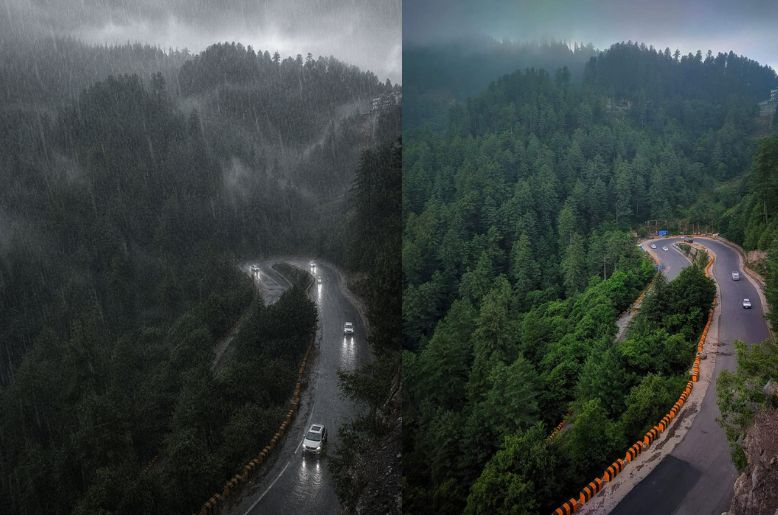
The first spell of the 2026 monsoon season has hit northern parts of Pakistan, with heavy rain in Murree, Abbottabad, Nathia Gali, Ayubia and surrounding areas.
The heavy rain brought a much needed relief in the northern areas as temperatures reached record highs earlier in the scenic touristy parts of the country.
According to the Pakistan Meteorological Department (PMD), partly cloudy weather is expected to prevail in Kashmir and Gilgit-Baltistan, with rain, windstorms and thundershowers likely at isolated locations. Heavy rainfall is also forecast in parts of Kashmir.
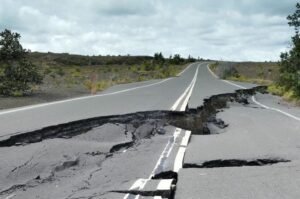
The Met Office has warned of a possible risk of landslides in hilly areas due to heavy rainfall and has advised residents and tourists to remain alert.
View this post on Instagram
Earlier, the PMD issued a nationwide weather alert, forecasting the arrival of the monsoon season during the first week of July 2026.
The department said a westerly wave entered the upper parts of the country on the night of June 30 and is expected to trigger widespread rain, windstorms and thundershowers across several regions.
According to the PMD, moisture-laden currents from the Arabian Sea have already begun penetrating eastern and central Pakistan, while similar currents from the Bay of Bengal are expected to reach the country’s upper regions by July 2.
The developing weather system is expected to bring relief from the ongoing hot and humid conditions in many parts of the country while increasing rainfall activity during the coming days.
NDMA predicts spells of pre-monsoon rain through July 3
Prior to this, the National Disaster Management Authority (NDMA) had forecast intermittent pre-monsoon rain across parts of Pakistan from June 28 to July 3 and warned that the weather could increase the risk of glacier melting, flash floods and landslides in northern areas.
The NDMA said the combination of intense heat and expected rainfall could speed up glacier melting, causing water levels in rivers and streams to rise quickly in Gilgit-Baltistan, Khyber Pakhtunkhwa and Azad Jammu and Kashmir.
The authority warned that several vulnerable areas could face glacial lake outburst floods (GLOFs), flash floods and landslides during the forecast period.
The NDMA advised residents, tourists and travellers to stay alert in high-risk districts, including Hunza, Nagar, Ghizer, Skardu, Shigar, Ghanche, Kharmang, Astore, Diamer, Upper and Lower Chitral, and Swat.
The authority urged people to avoid unnecessary travel near rivers, streams, glacial lakes and riverbanks. It also asked the public to immediately report any unusual situation to the relevant local authorities.
The NDMA directed all Provincial Disaster Management Authorities (PDMAs) to remain on high alert and ensure they are fully prepared to respond to any emergency caused by the expected weather conditions.