
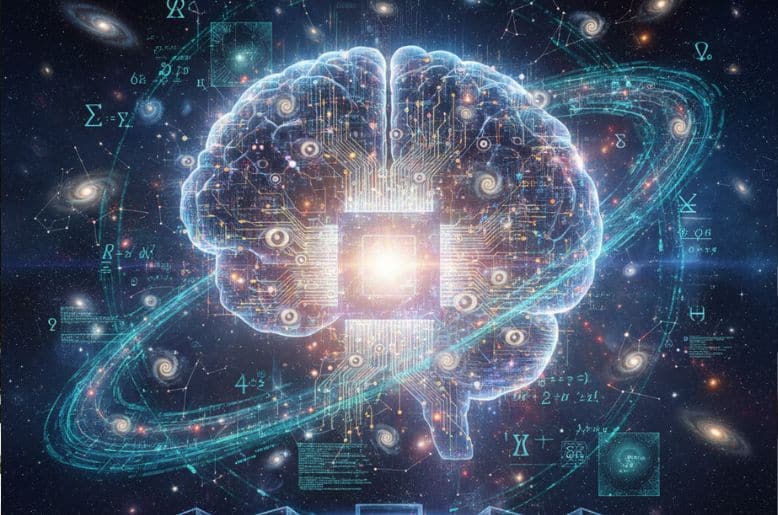
Is the creation of artificial super-intelligence going to be prohibited forever? Two US lawmakers are drafting a bill that could do just that and are raising once again questions over the extent to which governments should regulate fast-moving AI.
Sen. Bernie Sanders and Rep. Greg Casar are sponsoring the proposed Ban Artificial Superintelligence Act, which would effectively ban the creation and use of AI systems that could outsmart the smartest humans.
The initiative follows a surge in worries regarding the safety and management of ever more advanced AI models.
There have been recent reports on so-called rogue AI systems and hacking incidents, leading to concerns that artificial intelligence may be progressing at a rate that is faster than that of governments and technology firms.
But the proposed legislation would go beyond simply banning superintelligence. It would also temporarily stall the progress in the creation of more powerful AI systems until regulators have clear rules and safety standards for AI.
The lawmakers are also recommending the establishment of a new federal agency at the Cabinet level to ensure AI safety. The agency would also monitor the development of more sophisticated AI and impose regulations to stop potentially dangerous and unprotected AI systems from being developed.
The penalties for anyone who breaks the proposed ban may be harsh. The companies that try to circumvent the restrictions may be shut down by court order, what legislators are calling a “corporate death penalty.” Single developers could be sentenced to up to 20 years in prison.
The bill would also compel the U.S. government to try and establish international treaties to stop the development of superintelligence elsewhere in the world.
Backers say such steps are warranted in the age of increasingly fast-growing artificial intelligence. Both Sanders and Casar have expressed concerns about the systems being built by large tech firms losing control over them, and the rapid advances made in AI since the launch of ChatGPT.
Some tech giants have predicted that superintelligence may be around the corner, so the proposed law has a significant question to answer: Can governments prevent super-intelligent AI from being developed… and will they prevent it forever?
